Short Answer
Card Overview
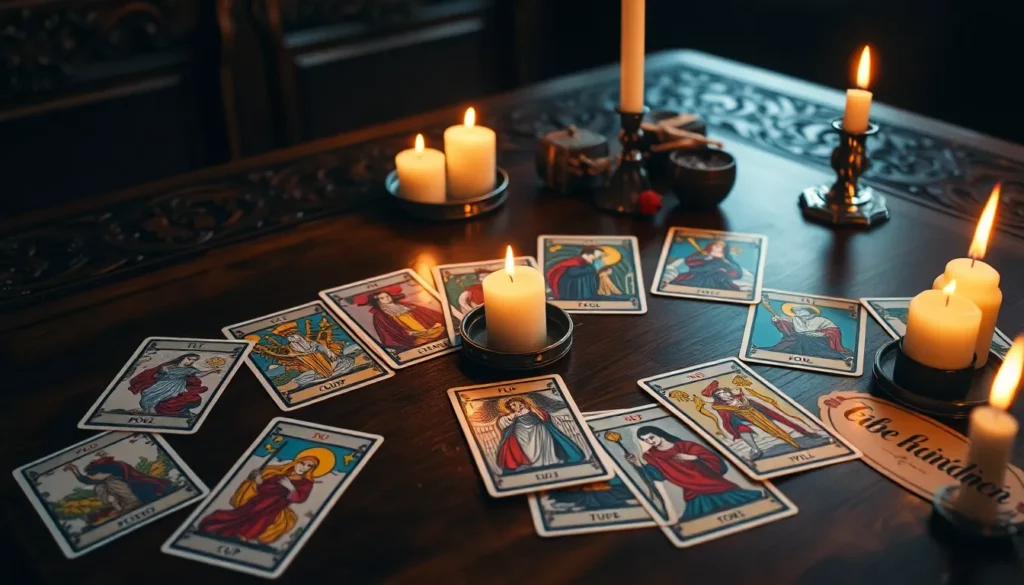
Tarot is a deck of 78 cards traditionally used for divination, self-reflection, and gaining insight into life questions. Each card features symbolic imagery that conveys specific themes, emotions, and archetypal energies. Tarot cards are typically divided into the Major Arcana, representing significant life lessons or spiritual themes, and the Minor Arcana, which reflect everyday experiences and situations. When a tarot card appears in a reading, it serves as a focal point for interpretation, helping the reader explore subconscious thoughts, potential outcomes, and personal guidance. Understanding the central theme and emotional tone of each card is essential for meaningful readings.
Upright Meaning
The upright position of a tarot card generally indicates the card’s primary, positive, or active meanings. This orientation suggests clarity, forward movement, or the presence of the card’s key qualities. For example, an upright card may highlight opportunities, strengths, or lessons that the querent is encouraged to embrace. It can also serve as a message to take action, remain hopeful, or be aware of certain influences that support growth. The upright meaning provides practical insights into how the card’s energy manifests in real life, including advice or warnings relevant to the question asked.
Reversed Meaning
When a tarot card appears reversed (upside down), its meaning often shifts to indicate blocked energy, delays, or internal conflicts. The reversed position can soften, complicate, or invert the upright interpretation, revealing hidden challenges, imbalances, or subconscious issues. It may suggest the need for introspection, caution, or a different approach to the situation. Reversed cards often highlight what the querent needs to reconsider, release, or address to move forward. However, interpretations vary depending on the reader’s style and the context of the spread.
Love Meaning
In matters of love and relationships, tarot cards provide insight into emotional connections, attraction, communication, and growth. Cards can reveal the dynamics between partners, potential challenges, or opportunities for deepening intimacy. For singles, the cards may indicate readiness for love or advice on personal healing before entering relationships. For people in partnerships, cards often reflect commitment levels, emotional needs, or areas requiring attention to foster harmony. The love meaning of a card helps clarify feelings, intentions, and relational patterns.
Career Meaning
Tarot cards in career readings address professional development, workplace dynamics, ambitions, and decision-making. They can highlight opportunities for advancement, creativity, leadership, or caution against conflicts and setbacks. Career-related interpretations assist querents in understanding their vocational path, productivity, and long-term goals. Cards may offer guidance on navigating challenges, improving work relationships, or identifying when a change is needed. The career meaning connects the card’s symbolism to practical aspects of work and study.
Money Meaning
Financial readings with tarot explore income, spending habits, investments, and material security. Cards can signal times of abundance, caution, risk, or the need for better money management. They may encourage discipline, generosity, or reassessment of one’s financial priorities. The money meaning helps querents understand their relationship with wealth and resources, indicating whether to take action or exercise patience. This aspect of tarot connects symbolic messages to tangible economic realities.
Spiritual Meaning
Spiritually, tarot cards convey messages about inner growth, intuition, karmic lessons, and personal transformation. They encourage self-awareness and connection with higher wisdom or universal energies. The spiritual meaning of a card often invites reflection, healing, and alignment with one’s true path. It may reveal areas where spiritual development is needed or affirm progress made. Tarot can serve as a tool for meditation and understanding the deeper layers of experience beyond the material world.
Yes or No Meaning
Tarot cards can be used to answer yes-or-no questions with nuance. Some cards generally indicate a yes, such as those suggesting positive outcomes or forward movement, while others point to no or caution. Many cards suggest a conditional or maybe answer, emphasizing the need for careful consideration or further information. The context of surrounding cards and the specific question influence the interpretation. Therefore, tarot provides more than a simple yes or no, offering insight into the factors affecting the answer.
Symbolism
Each tarot card is rich in symbolism, including colors, numbers, figures, objects, and settings that contribute to its meaning. Colors may represent emotions or elements; numbers correspond to numerological significance; figures often depict archetypes or mythological references. Objects like cups, swords, wands, and pentacles symbolize different life aspects such as emotions, intellect, creativity, and material matters. Understanding these symbols enables readers to interpret cards intuitively and appreciate their layered meanings during readings.
Card Combinations
The meaning of a tarot card can shift significantly when it appears alongside other cards in a spread. Combinations with Major Arcana cards may amplify spiritual or karmic themes, while pairing with court cards can highlight personality traits or external influences. Cards from the same suit may strengthen a message related to a particular life area. Conversely, some combinations can complicate or soften interpretations, revealing challenges or support. Recognizing how cards interact helps readers provide nuanced, context-sensitive guidance.
FAQ
What is tarot used for?
Tarot is primarily used for divination, self-reflection, gaining insight into situations, and exploring spiritual or psychological themes.
How many cards are in a tarot deck?
A standard tarot deck has 78 cards: 22 Major Arcana cards and 56 Minor Arcana cards divided into four suits.
Can tarot predict the future?
Tarot is not a definitive predictor of the future but rather a tool for exploring possibilities, gaining insight, and making informed decisions based on current energies.
Leave a Reply