Short Answer
In recent years, the allure of tarot cards has transcended their mystical origins, captivating a diverse audience that includes those from various religious backgrounds, including Christianity. While the traditional view within Christian theology often shuns divination practices, a nuanced exploration of tarot from a Christian perspective reveals intriguing insights and unexpected avenues of thought. The purpose of this article is not to advocate for tarot as a judicious tool for divine revelation but rather to examine how the imagery and symbolism within tarot can provoke introspection and provide a distinct framework for understanding spiritual growth.
Understanding Tarot: An Overview
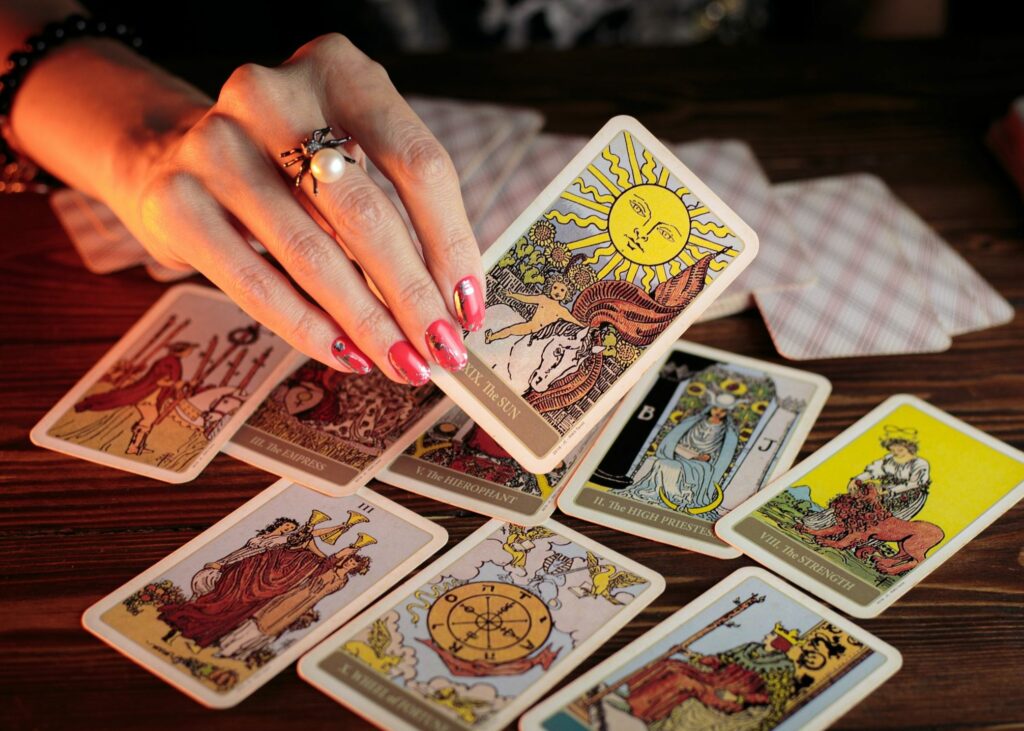
At its core, tarot is a deck of 78 cards, divided into the Major and Minor Arcana. The Major Arcana consists of 22 cards that delve into significant life events, spiritual lessons, and archetypal energies, while the 56 cards of the Minor Arcana explore everyday experiences and challenges. Each card possesses its own imagery, symbolism, and meaning, serving as a canvas for self-reflection and exploration. For many, the visual narratives encoded within the tarot serve as metaphors that prompt us to consider our own life stories within a broader spiritual context.
Symbolism and Spiritual Narratives
From a Christian perspective, the imagery present in tarot can be intriguingly analogous to biblical themes. The Fool, representing a new journey or a leap of faith, echoes the biblical notion of stepping into the unknown with God leading the way. The High Priestess embodies the quest for spiritual understanding, reminiscent of the Proverbs’ call for wisdom and discernment. The Empress often signifies nurturing and abundance—qualities celebrated within scripture regarding God’s provision. By examining these correlations, we can see how tarot cards might unveil deeper layers of spiritual significance that complement Christian teachings.
Personal Reflection Versus Divination
It is essential to delineate between the use of tarot as a means of divination and its potential as a reflective tool. Many Christians are wary of tarot due to its historical association with divination—an act often condemned in scripture (e.g., Deuteronomy 18:10-12). However, when approached as a method for introspection and personal growth rather than as a way to foretell one’s future, tarot may serve as a bridge between one’s inner life and spiritual beliefs. It provides a structured way to reflect on personal circumstances and invite divine guidance into the process of discernment.
Engaging with Archetypes
The archetypes present within tarot lend themselves to examining one’s spiritual journey. For example, The Hermit illustrates the theme of solitude and inner reflection—a call often echoed in the Gospels as Jesus withdrew into the wilderness for prayer. Through these familiar motifs, Christians can engage with the tarot in a way that fosters curiosity about their own lives, challenging them to contemplate the ramifications of their choices and their alignment with a life of faith.
The Role of the Holy Spirit
Integrating the principles of tarot with Christian faith foregrounds the role of the Holy Spirit as an agent of guidance and wisdom. Just as tarot cards prompt reflection, Christians believe that the Holy Spirit invites believers into deeper truths, providing spiritual insight and clarity. Both frameworks share a central tenet: the importance of discernment and seeking understanding in the face of life’s uncertainties. Rather than viewing tarot as a threat, it can be envisioned as a catalyst for inviting the Holy Spirit’s influence into one’s personal exploration.
Community Dialogue and Spiritual Growth
By initiating conversations about tarot within Christian communities, the potential for expanded interpretations of faith emerges. Engaging in group discussions about personal experiences with tarot can foster a safe space for sharing insights and reflections. Such dialogue can facilitate a better understanding of how various practices and symbols resonate with one’s spiritual journey. Through this lens, tarot becomes a communal exploration of faith rather than an isolated practice fraught with controversy.
The Transformative Power of Narrative
Each tarot card tells a story. When one engages with a card’s narrative, it opens the door to transformative reflection. The Death card, often misconceived as a harbinger of doom, is a powerful symbol of transformation and renewal—paralleling the Christian message of resurrection. By allowing such symbolism to permeate one’s understanding of life’s cycles, individuals can find a means to embrace change and seek out God’s presence in moments of transition.
Conclusion: Curiosity as a Spiritual Practice
Ultimately, exploring tarot from a Christian perspective invites both curiosity and reflection. It challenges practitioners to reconsider preconceived notions about spirituality and the various tools that can be utilized along the journey toward spiritual maturation. While maintaining a reverence for scripture and traditional beliefs, there lies a profound promise in engaging with the imagery and symbolism of tarot. The cards may serve not as a replacement for faith but as a catalyst for a deeper relationship with God and oneself—a journey characterized by inquiry, reflection, and ultimately, spiritual transformation.
FAQ
What do the Major Arcana cards represent?
The Major Arcana cards represent significant life events and spiritual lessons.
How can tarot help with personal growth?
Tarot can facilitate introspection and provide insights into personal circumstances.
Leave a Reply