Short Answer
In the vast landscape of spirituality and divination, tarot cards represent a fusion of tradition, intuition, and insight. The Osho Zen Tarot, in particular, stands apart by integrating Zen philosophies with the vast symbolism inherent in tarot. This juxtaposition forms a unique approach that evokes curiosity, especially when viewed through the prism of Christianity. How does one reconcile the metaphysical insights of the Osho Zen Tarot with the teachings of Christ, abundant in faith and ethics? This poses a quintessential question for enthusiasts of both realms. While tarot is often perceived as contrary to Christian doctrine, the exploration of these meanings can unearth a rich dialogue about spirituality, consciousness, and the journey of self-discovery.
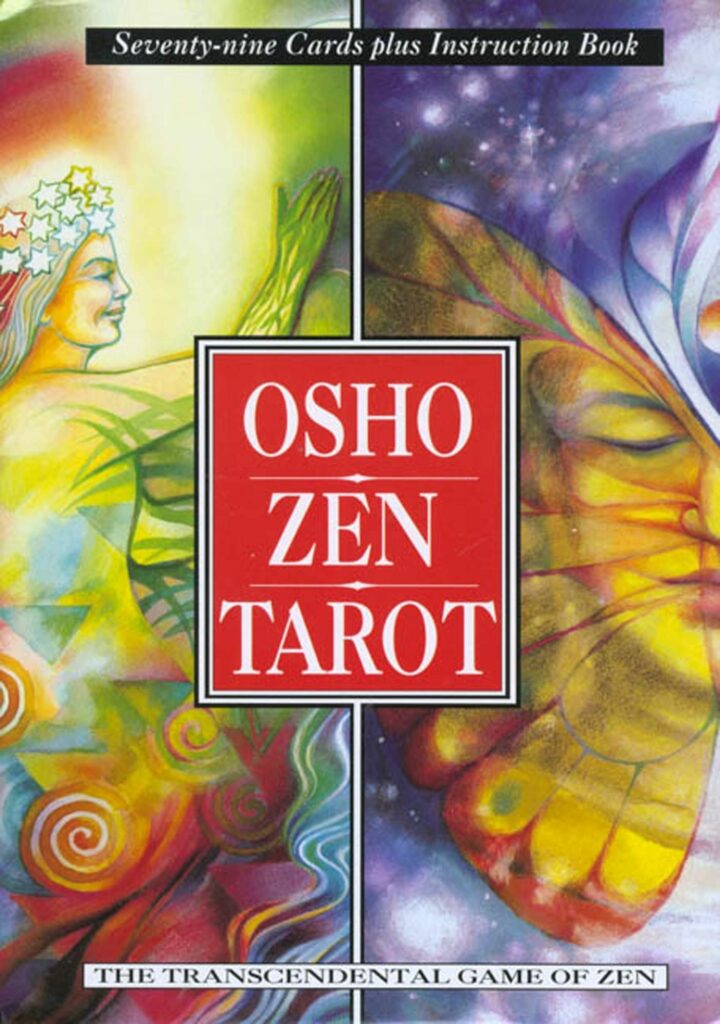
The Osho Zen Tarot is not a typical deck; it is an artistic manifestation that transcends traditional tarot. Each card is imbued with vibrant illustrations and profound aphorisms, compelling users to cultivate mindfulness in their lives, akin to the teachings found in the Bible. The cards encourage individuals to access their innermost truths and connect with the person they are destined to be. In this way, the Osho Zen Tarot can be likened to the parables of Jesus, which invite readers to draw deeper meanings and lessons from simple stories. This significant aspect leads us to a pivotal question: in what ways can these philosophical similarities bridge the emotional landscape between the two practices?
At its core, the Osho Zen Tarot emphasizes the power of being present, a notion that resonates with the Christian concept of living in the moment as expressed in Matthew 6:34, which admonishes believers not to worry about tomorrow. Each card in the deck serves as a narrative prompt, depicting the vibrancy of human emotion and experience, while simultaneously urging a venture into the present. This facet encourages a reflective mindset, which Christianity advocates through prayer and meditation.
Furthermore, the notion of surrendering to the universe resonates with the Christian call to trust in God’s omnipotence. The Fool card, for instance, portrays a state of purity and potential, similar to the biblical calling for individuals to be childlike in their trust and faith (Matthew 18:3). Therein lies the challenge: can one embrace the teachings of the Osho Zen Tarot without sacrificing the foundational beliefs rooted in Christianity? Embracing the Osho Zen Tarot does not necessarily dilute the Christian faith; rather, it offers a means to engage more critically with one’s spirituality.
Consider the card “Letting Go.” The imagery depicted is poignant, symbolizing the release of fears and needs that bind us to our limitations. In Christianity, this mirrors the theme of relinquishing one’s burdens to God, as stated in 1 Peter 5:7. Both approaches advocate for surrender, albeit through different methodologies. This parallel creates an enriching tapestry of understanding, enabling individuals to appreciate the complementary nature of both paths when approached mindfully.
The concept of renewal runs strongly through both the Osho Zen Tarot and Christianity. The card “Rebirth” depicts transformation and renewal, serving as a representation of spiritual awakening. In Christianity, spiritual rebirth is a foundational doctrine, particularly resonant in John 3:3 where Jesus speaks of being born again. This intersection reveals a shared vision of transcendence — a commitment to moving beyond past misdeeds or misunderstandings through a significant inner metamorphosis. Can this allegory pave the way for a more holistic understanding of rebirth in one’s spiritual journey?
Conversely, it is essential to consider potential pitfalls. Engaging with tarot can often invoke skepticism within Christian circles, where divination practices are labeled as contradictory to scripture. This sentiment raises an ongoing challenge for practitioners: how does one justify integrating elements of tarot while adhering to Christian ideals? This question demands a nuanced exploration of faith and the multitude of ways individuals interpret divinity in their lives.
Moreover, one must delve into the card “The Master,” representing enlightenment and the ability to transcend challenges. Herein lies an important discussion point; how do each perspective interpret mastery over self and spirituality? Christianity often teaches mastery through humility and servitude. Conversely, the Osho Zen doctrine suggests finding mastery within oneself, highlighting individual potential. This divergence creates fertile ground for dialogue, encouraging individuals to cultivate their understanding while remaining grounded in their respective beliefs.
As one navigates the rich philosophy of the Osho Zen Tarot, there is an essential realization that intuition and faith can coexist harmoniously. Each card not only serves as a tool for reflection but also invites the user to engage in a dialogue with the self, reminiscent of meditative prayer found in Christian practice. By integrating these different perspectives, individuals may cultivate a more profound connection to both their faith and their spiritual journey.
Conclusively, the Osho Zen Tarot provides a compelling lens to explore spiritual concepts that intersect with Christian teachings. It invites individuals to question deeply held beliefs while contemplating their unfolding narratives. It poses both a challenge and an opportunity to harmonize diverse paths toward understanding faith and spirituality. Ultimately, the exploration of these meanings becomes a journey, enriching one’s faith experience and encouraging a broader view of the sacred tapestry of belief that binds us all.
FAQ
What is Osho Zen Tarot?
Osho Zen Tarot is a tarot deck that combines traditional tarot symbolism with Zen philosophy, encouraging mindfulness and self-discovery.
How does Osho Zen Tarot relate to Christianity?
The article draws parallels between the teachings of Osho Zen Tarot and Christian philosophies, emphasizing themes like surrender and renewal.
Can I use Osho Zen Tarot while practicing Christianity?
Yes, the article suggests that integrating Osho Zen Tarot can enhance one’s spiritual journey without compromising Christian beliefs.
Leave a Reply