Short Answer
In the realm of tarot, the Devil card stands as a multifaceted symbol open to a variety of interpretations. From a Christian perspective, this card may seem ominous, adorned with imagery that can invoke fear or intrigue. But what if we pause for a moment and ponder its deeper meaning? Could it hold valuable insights into our struggles with temptation and moral choices? As we delve into the complexities surrounding the Devil card, we might find ourselves wrestling with a multitude of themes that echo the age-old battle between light and darkness.
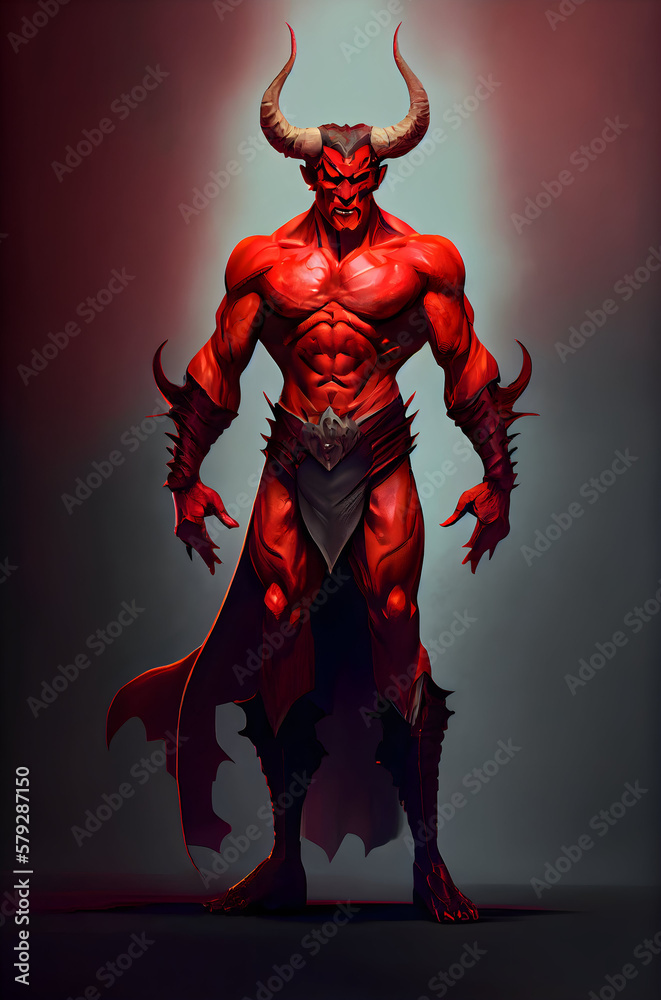
The Devil card, often numbered fifteen in the Major Arcana, typically portrays a horned figure, surrounded by chained individuals who seem entranced in submission. This presentation immediately evokes notions of evil, sin, and moral degradation. However, what if we were to approach this imagery with a mind attuned to scrutinizing its broader implications? Perhaps it is not merely a harbinger of spiritual doom but an invitation to explore our inner conflicts.
At the heart of the Devil card lies the theme of bondage—both physical and psychological. This notion can resonate profoundly within Christian teachings, which often speak to the concept of sin as a chain that binds humanity. Consider the ways in which the card mirrors Ecclesiastes 4:12, which discusses the power of unity and the strength found in companionship. The chained figures hint at the relationships that can tether individuals to vice, illustrating the collective struggle against temptation that defines human experience.
Furthermore, a closer examination of the artwork reveals the potential for liberation. The Devil, while dominantly depicted as a malevolent force, can also symbolize the shadow self—the part of us laden with fears, desires, and unacknowledged motivations. Is it not within our shadows that we often wrestle with guilt, shame, and the very essence of our humanity? To confront these hidden aspects can be a daunting yet essential pilgrimage towards spiritual growth. In the Christian context, this journey of self-discovery aligns with the call to repentance and transformation as articulated in Romans 12:2—urging us to “be transformed by the renewal of your mind.” In confronting the chains depicted by the Devil card, one might find the path to liberation through faith and understanding.
The notion of temptation is intricately woven into the fabric of the Devil card. In the Christian tradition, the concept of temptation is not merely an external force; it resides within, challenging our integrity and judgment. The very act of acknowledging temptation can evoke a sense of catharsis, prompting individual reflection on values and decisions. The Devil serves as a reminder that darkness may exist not just outside ourselves but also within. How does one rise above these inner demons? By embracing the light of forgiveness and grace, as emphasized in Proverbs 24:16, suggesting that while the righteous may fall, they invariably find the strength to stand again.
A pivotal aspect of the Devil card is its implication of materialism and excess. Christian teachings frequently underscore the dangers of idolizing earthly pleasures, lamenting the transient nature of worldly desires. This warning resonates with the imagery of debauchery often found in representations of the Devil. The card poses a poignant question: Are we, as individuals and as a society, ensnared by the allure of consumerism? This inquiry extends beyond material goods; it implicates our pursuits of status, relationships, and even spirituality. The call to examine one’s life’s priorities echoes Christ’s admonition that one cannot serve both God and mammon. The Devil card, then, serves as a mirror reflecting the temptations we face—an opportunity to recalibrate our focus towards divinity.
Contrary to appearing solely as a portent of doom, the Devil card can also represent the exhilarating dance of free will. It embodies the choices we face and the awareness of consequences that accompany them. In Christian philosophy, this melds seamlessly with the concept of free will, underscoring humanity’s capability to choose between righteousness and sin. In this light, the Devil card invites contemplation: What choices are we making, and do we fully understand their implications? Are we exercising our autonomy to build a life reflective of our faith, or are we surrendering to fleeting pleasures?
Embracing the complexity of the Devil card also highlights our struggles with self-acceptance and self-forgiveness. As we acknowledge the darker aspects of our nature, it becomes imperative to extend grace toward ourselves. The Christian doctrine emphasizes redemption—a core tenet that asserts no one is beyond the reach of forgiveness. Just as it challenges the viewer to confront temptation, the card invites individuals to engage in the sacred act of self-reflection crafted through compassion and understanding.
In conclusion, while the Devil card may initially evoke trepidation, its depth reveals fertile ground for introspection, self-discovery, and spiritual education. The interplay of light and shadow aligns closely with significant Christian principles—themes of repentance, the struggle against temptation, and the inexplicable power of grace. As we navigate our journeys, the Devil card serves as a whimsical yet profound reminder of the challenges we face and the decisions we wield. It beckons us to embrace the duality within and harness it as a catalyst for growth and personal evolution. Are we ready to engage with this card, to unravel its mysteries, and ultimately rise above the shadows it casts?
FAQ
What does the Devil card represent in tarot?
The Devil card represents temptation, bondage, and the struggles with moral choices. It invites introspection and self-discovery.
How can the Devil card be interpreted positively?
It can symbolize the invitation to confront one's inner conflicts and the potential for liberation through self-acceptance and grace.
Leave a Reply