Short Answer
Welcome to your comprehensive guide on the Corax Major Arcana – The Big Cards Darkly. This article will explore the deeper layers of these powerful tarot cards, their symbolism, interpretations, and practical applications. Whether you’re a seasoned tarot reader or a curious beginner, you’ll find valuable insights into how these cards influence readings and personal growth. By the end, you’ll have a clearer understanding of their significance and how to integrate them into your spiritual practice.
The Origins and Mythology of the Corax Major Arcana
The Corax Major Arcana represents a unique and often misunderstood segment of the tarot deck. Unlike traditional Major Arcana cards, which are typically associated with universal archetypes, the Corax cards delve into the darker, more esoteric aspects of the tarot. The term “Corax” itself is derived from the Latin word for “raven,” a bird often linked to mystery, prophecy, and the unseen realms. These cards are said to embody themes of transformation, shadow work, and the hidden forces that shape our lives.
In mythology, ravens are frequently depicted as messengers between the living and the dead, bridging the gap between the conscious and subconscious mind. This duality is central to the Corax Major Arcana, which often appears in readings when the querent is facing a period of intense personal reckoning or when the universe is urging them to confront their deepest fears and desires. The cards in this arcana are not for the faint of heart; they challenge the reader to look beyond the surface and explore the raw, unfiltered truths of existence.
Key Themes and Symbolism in the Corax Major Arcana
The Corax Major Arcana is rich with symbolism, each card carrying layers of meaning that can be interpreted in multiple ways. Common themes include:
- Shadow Self: Many cards in this arcana represent the hidden, repressed aspects of the psyche. They encourage the querent to acknowledge and integrate these parts of themselves rather than suppress them.
- Transformation: The raven, as a symbol of change, appears frequently. These cards often signify periods of metamorphosis, where old patterns are shed, and new growth emerges.
- Fate and Prophecy: The Corax cards are deeply connected to the idea of destiny. They may appear when the querent is at a crossroads, offering glimpses into possible futures and the consequences of their choices.
- Duality: Light and dark, life and death, creation and destruction—these cards embody the balance between opposing forces. They remind the querent that growth often comes from embracing contradictions.
For example, the card “The Raven’s Call” might depict a solitary raven perched on a branch, its wings spread wide. This image could symbolize a wake-up call, urging the querent to pay attention to a message or truth they’ve been avoiding. Alternatively, it might represent the need to release old attachments and embrace a new path.
Interpreting the Corax Major Arcana in Readings
When the Corax Major Arcana appears in a tarot spread, it’s essential to approach the reading with an open mind and a willingness to confront uncomfortable truths. These cards rarely offer straightforward answers; instead, they challenge the querent to dig deeper and ask themselves hard questions. Here’s how to interpret them effectively:
- Context Matters: The position of the card in the spread is crucial. For instance, if “The Raven’s Call” appears in the past position, it might indicate a past event that shaped the querent’s current circumstances. In the future position, it could suggest an impending revelation or transformation.
- Reversed vs. Upright: Like traditional tarot cards, Corax cards can appear reversed or upright, each offering a different nuance. An upright Corax card might signify a necessary confrontation with the shadow self, while a reversed card could indicate resistance to this process or a fear of change.
- Personal Reflection: These cards often require the querent to engage in self-reflection. Journaling or meditation can help uncover the deeper messages hidden within the reading.
For example, if “The Hanged Man” (a card sometimes included in the Corax Major Arcana) appears in a reading, it might suggest a period of suspension or waiting. The querent may feel stuck, but the card is a reminder that this pause is necessary for growth. The raven, in this context, could symbolize the wisdom gained from surrendering to the unknown.
Common Corax Major Arcana Cards and Their Meanings
While the Corax Major Arcana can vary depending on the deck, some cards frequently appear across different interpretations. Below are a few examples:
The Raven’s Call
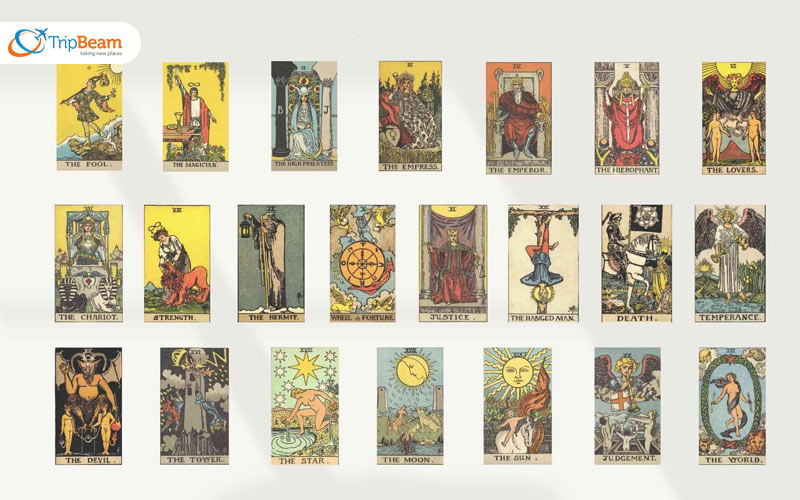
This card is a harbinger of significant change. It often appears when the querent is being called to step out of their comfort zone and embrace a new path. The raven’s cry is a reminder that transformation is not always gentle—it can be loud, disruptive, and unavoidable. In a reading, this card might suggest that the querent is being guided toward a destiny they’ve yet to fully embrace.
The Veil of Shadows
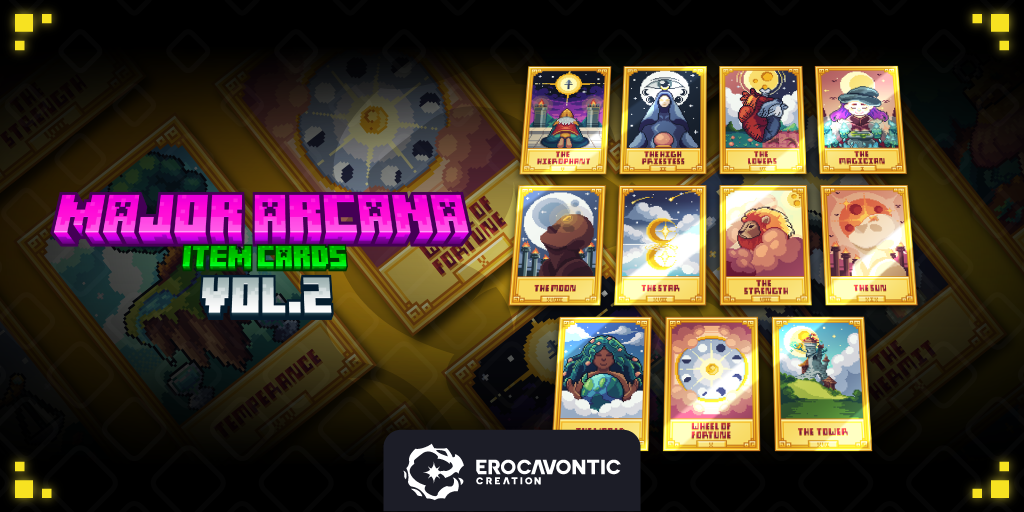
This card represents the boundary between the known and the unknown. It often appears when the querent is grappling with secrets, hidden truths, or the mysteries of life and death. The Veil of Shadows challenges the querent to peer beyond the veil, even if it’s frightening. It’s a card of intuition, urging the querent to trust their inner voice and the messages they receive from the unseen world.
The Phoenix Cycle

This card embodies the cycle of death and rebirth. It’s a powerful symbol of resilience, reminding the querent that even in their darkest moments, they have the strength to rise again. The phoenix, often accompanied by ravens, represents the transformative power of destruction and renewal. In a reading, this card might indicate that the querent is on the cusp of a major breakthrough, but it will require them to let go of what no longer serves them.
Practical Applications of the Corax Major Arcana
The Corax Major Arcana isn’t just for tarot readings—it can also be a tool for personal development and spiritual growth. Here are some practical ways to incorporate these cards into your life:
- Meditation and Visualization: Use the imagery of the Corax cards to guide your meditation. Focus on the symbolism and allow it to reveal insights about your current challenges or desires.
- Shadow Work: The Corax Major Arcana is a powerful ally for those engaged in shadow work. Pull a card daily and reflect on how its themes apply to your life. What hidden aspects of yourself is it asking you to acknowledge?
- Journaling Prompts: Write about a time when you felt like you were being called to change, even if you resisted. How did that experience shape you? What lessons did you learn?
- Rituals and Ceremonies: Create a ritual around a Corax card that resonates with you. Light a candle, write down what you’re releasing, and burn the paper as a symbolic act of transformation.
Conclusion
The Corax Major Arcana is a profound and often challenging segment of the tarot deck. These cards don’t offer easy answers; instead, they invite the querent to explore the darker, more complex aspects of their journey. By embracing the symbolism and themes of the Corax cards, you can gain deeper insights into your life, confront your shadow self, and ultimately, emerge stronger and more self-aware.
Whether you’re using these cards for divination, personal growth, or spiritual exploration, remember that their power lies in their ability to challenge you. The raven’s call is not always gentle, but it is always necessary. Answer it with courage, and you’ll find that the darkness often holds the keys to your greatest transformations.
FAQ
What is the Corax Major Arcana?
The Corax Major Arcana represents a unique segment of the tarot that explores darker themes and aspects of transformation, often linked to shadow work and personal reckoning.
How do you interpret Corax cards in a reading?
Interpreting Corax cards involves understanding their context in the spread, recognizing the significance of upright vs. reversed positions, and engaging in personal reflection.
Leave a Reply