Short Answer
The Death Tarot Card is one of the most misunderstood cards in the deck, often associated with literal death or endings. However, its true essence lies in transformation, rebirth, and profound inner change. In this comprehensive guide, you’ll explore the deeper meaning of the Death Tarot Card, uncovering its symbolism, interpretations across different contexts, and practical insights for personal growth. Whether you’re a seasoned tarot reader or a curious beginner, this guide will help you grasp the card’s transformative power and apply its lessons to your life.
The Symbolism of the Death Tarot Card
The Death Tarot Card, typically numbered XIII in the Major Arcana, is rich with symbolism that conveys its message of transformation. The central figure is often depicted as a skeletal rider on a white horse, symbolizing the inevitability of change and the end of one phase to make way for another. The white horse represents purity, transition, and the passage of time, while the skeletal figure underscores the impermanence of life and the necessity of letting go.
The background imagery often includes a rising sun, signifying rebirth and new beginnings, and a field of dead or wilting plants, representing the decay of the old to make space for growth. The card’s color palette—often dark and muted—contrasts with the vibrant greens and yellows of renewal, emphasizing the contrast between endings and fresh starts. Understanding these symbols helps you recognize that the Death card is not about physical death but about the transformative cycles that shape our lives.
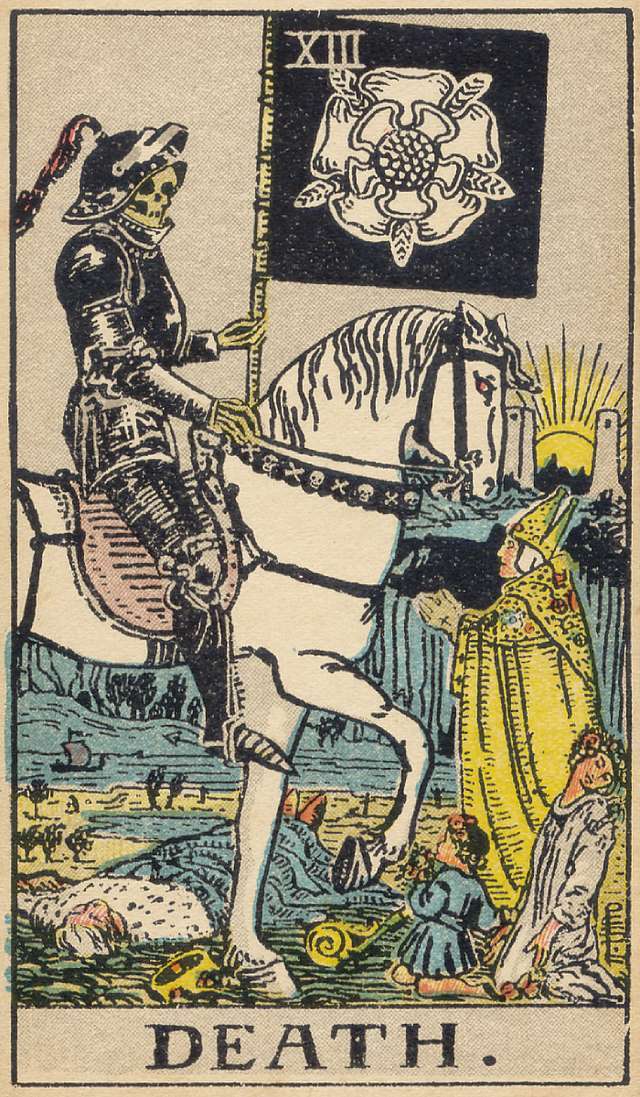
In many decks, the Death card also features a bishop or a figure of authority, which can represent societal structures, traditions, or personal beliefs that must be released to allow for growth. The presence of a child or a young figure in some interpretations symbolizes innocence and the potential for new beginnings. By studying these details, you gain a deeper appreciation for the card’s message: that change, though often painful, is essential for evolution.
Death Tarot Card in Different Contexts
The Death Tarot Card’s meaning can vary depending on its position in a spread and the question being asked. In a general reading, it often signals a major transformation, whether in relationships, career, or personal beliefs. When it appears upright, it suggests that you are undergoing or need to embrace a significant change, even if it feels uncomfortable. This could mean ending a toxic relationship, leaving a stagnant job, or releasing outdated habits that no longer serve you.
In a reversed position, the Death card may indicate resistance to change or a fear of letting go. It can also suggest that you are clinging to the past or avoiding necessary endings. However, it’s important to note that a reversed Death card doesn’t always mean failure—it might simply highlight areas where you need to confront your fears and take proactive steps toward transformation. For example, if you’re avoiding a difficult conversation or procrastinating on a major decision, the reversed Death card urges you to face these challenges head-on.
In career readings, the Death card can signify a career shift, such as leaving a job that no longer fulfills you or pivoting to a new industry. In love readings, it may indicate the end of a relationship that has run its course, making space for a healthier partnership. In spiritual readings, it often points to a profound awakening or a shedding of old beliefs to embrace a new spiritual path. By understanding these contextual nuances, you can apply the card’s wisdom to your specific situation.
Inner Transformation: The Core Message of the Death Card
At its heart, the Death Tarot Card is about inner transformation—a process of shedding old identities, beliefs, and patterns to make way for a more authentic self. This transformation is rarely easy; it often involves confronting fears, releasing attachments, and embracing the unknown. However, the card reassures you that these endings are necessary for growth and that the changes you undergo will lead to a stronger, wiser version of yourself.
One way to work with the Death card’s energy is to reflect on areas of your life where you feel stuck or unfulfilled. Ask yourself: What old habits, relationships, or beliefs are no longer serving me? What fears are holding me back from embracing change? Journaling or meditation can help you identify these patterns and visualize the transformation you wish to create. The Death card encourages you to trust the process, even when it feels uncertain, knowing that every ending is a precursor to a new beginning.
Another aspect of inner transformation is the concept of alchemy—the process of turning lead into gold. In tarot, the Death card embodies this alchemical process, where what seems like destruction is actually the precursor to renewal. For example, the loss of a loved one can deepen your capacity for empathy, or the end of a career can lead you to a more fulfilling path. By reframing endings as opportunities for growth, you align yourself with the Death card’s transformative energy.

It’s also worth noting that the Death card often appears during times of personal crisis or upheaval. While these moments can feel overwhelming, they are also invitations to reassess your life and make intentional choices. The card reminds you that you have the power to shape your destiny by embracing change rather than resisting it. Whether you’re going through a breakup, a career change, or a spiritual awakening, the Death card offers the courage to move forward with faith in the process.
Practical Steps to Embrace the Death Card’s Energy
To harness the transformative power of the Death Tarot Card, consider incorporating practical steps into your daily life. Start by identifying one area where you’re resisting change and commit to taking a small step toward letting go. This could be decluttering your space, ending a negative self-talk habit, or setting boundaries with someone who drains your energy. Small actions build momentum and help you align with the card’s energy of renewal.
Another powerful practice is to create a ritual around release and rebirth. This could involve writing down what you’re ready to let go of on a piece of paper and burning it (safely, of course) as a symbolic act of transformation. Alternatively, you might plant seeds or tend to a garden to represent the new growth that will emerge from your efforts. Rituals like these help you embody the Death card’s message and reinforce your commitment to change.
It’s also helpful to surround yourself with supportive people who understand the value of transformation. Share your intentions with trusted friends or a tarot community, and seek out resources that inspire growth, such as books, podcasts, or workshops. The Death card thrives in an environment of openness and curiosity, so allow yourself to explore new ideas and perspectives without judgment.
Finally, practice self-compassion during times of transition. Change can be disorienting, and it’s normal to feel a mix of emotions, including grief, fear, and excitement. The Death card doesn’t demand perfection—it simply asks you to show up for yourself with kindness and patience. Trust that the changes you’re experiencing are leading you toward a brighter, more authentic future.
Common Misconceptions About the Death Tarot Card
One of the biggest misconceptions about the Death Tarot Card is that it predicts physical death or tragedy. While the card does deal with endings, its primary focus is on metaphorical death—the end of a cycle, a relationship, a job, or an outdated version of yourself. The card’s energy is about closure and renewal, not doom. By reframing your understanding of the Death card, you can approach it with a sense of curiosity rather than fear.
Another misconception is that the Death card always signifies a negative event. While it can indicate challenging transitions, it’s ultimately a card of empowerment. It reminds you that you have the strength to navigate change and emerge stronger. For example, the end of a difficult relationship might free you to find love that aligns with your true self, or the loss of a job might lead you to a career that brings you joy. The Death card encourages you to see endings as necessary steps toward growth.
Some people also believe that the Death card is a warning to avoid change at all costs. However, this interpretation overlooks the card’s core message: that transformation is an inevitable and natural part of life. Resisting change often leads to stagnation, while embracing it can open doors to new opportunities. The Death card challenges you to release what no longer serves you and trust in the process of renewal.
Conclusion
The Death Tarot Card is a powerful symbol of transformation, rebirth, and inner growth. Far from being a harbinger of doom, it invites you to embrace change as a natural and necessary part of life. By understanding its symbolism, contextual meanings, and practical applications, you can harness its energy to navigate life’s transitions with courage and wisdom. Whether you’re facing a major upheaval or simply seeking personal growth, the Death card offers the reassurance that every ending is a new beginning in disguise.
As you reflect on the Death card’s message, remember that transformation is a journey, not a destination. Allow yourself to grieve the old while welcoming the new, and trust that the changes you experience are shaping you into the person you’re meant to become. With this mindset, the Death Tarot Card becomes not just a card of endings, but a guide to living a life of depth, authenticity, and renewal.
Leave a Reply