Short Answer
Dive into the enigmatic world of Crowley Tarot, where symbolism transcends mere divination to reveal profound occult truths. This guide explores the intricate meanings behind the cards, uncovering the esoteric layers that have captivated seekers for generations. Whether you’re a seasoned practitioner or a curious newcomer, you’ll discover how Crowley’s deck bridges ancient wisdom with modern mysticism, offering insights that resonate deeply with the human experience.
The Origins of Crowley Tarot: A Bridge Between Tradition and Revolution
The Crowley Tarot, also known as the Thoth Tarot, is a revolutionary deck designed by Aleister Crowley and Lady Frieda Harris in the early 20th century. Unlike traditional decks, Crowley’s creation is steeped in Hermetic Qabalah, astrology, and ceremonial magic, reflecting Crowley’s deep involvement in the occult. The deck’s imagery is rich with alchemical symbols, Egyptian motifs, and complex geometric patterns, each card serving as a gateway to deeper esoteric understanding.
One of the most striking features of the Crowley Tarot is its departure from conventional tarot iconography. While classic decks like the Rider-Waite-Smith emphasize narrative clarity, Crowley’s deck prioritizes symbolic density. For instance, the Fool card is not merely a carefree wanderer but a representation of the primordial state of existence, unbound by societal constraints. This shift from storytelling to pure symbolism invites readers to engage with the cards on a more intuitive and personal level.
The collaboration between Crowley and Harris was nothing short of alchemical. Harris, a skilled artist, transformed Crowley’s abstract ideas into vivid, surreal imagery that challenges the viewer to look beyond the surface. The result is a deck that feels both ancient and futuristic, a testament to the timeless nature of occult wisdom.
Decoding the Major Arcana: The Cosmic Journey Unveiled
The Major Arcana consists of 22 cards, each representing a pivotal stage in the Fool’s journey through life. In the Crowley Tarot, these cards are infused with astrological correspondences and Qabalistic meanings, creating a multi-layered system of interpretation. For example, The Magus (equivalent to The Magician in other decks) is associated with Mercury and the element of Air, symbolizing intellect, communication, and the power of manifestation. However, in Crowley’s deck, The Magus is depicted with a wand, a cup, a sword, and a pentacle—tools that represent the four elements, emphasizing the card’s role as a master of all realms.
Another key card is The High Priestess, which in Crowley’s deck is titled “The Priestess” and is linked to the Moon and the element of Water. Here, the card transcends its traditional role as a guardian of hidden knowledge. Crowley’s Priestess is a figure of lunar mystery, her veil representing the boundary between the conscious and subconscious mind. This card often appears when intuition and inner wisdom are needed, urging the seeker to trust their instincts.
The Death card, often feared in other decks, is reimagined in the Crowley Tarot as a transformative force. Depicted as a skeletal figure riding a white horse, Death symbolizes the inevitable cycles of life, death, and rebirth. In Crowley’s system, this card is associated with Scorpio and the element of Water, highlighting its connection to emotional and psychological transformation. Rather than signaling literal demise, Death in the Crowley Tarot invites the querent to embrace change and let go of what no longer serves them.
The Minor Arcana: Astrology and Alchemy in Everyday Life
The Minor Arcana in the Crowley Tarot is divided into four suits—Wands, Cups, Swords, and Disks—each corresponding to a different element and astrological sign. Unlike traditional decks, Crowley’s suits are not merely decorative; they are deeply intertwined with astrological and alchemical principles. For instance, the suit of Wands is linked to Fire and the astrological signs Aries, Leo, and Sagittarius, representing creativity, passion, and ambition. The Ace of Wands, in particular, is a potent symbol of new beginnings, often indicating the spark of inspiration or a sudden surge of creative energy.
The suit of Cups, associated with Water and the signs Cancer, Scorpio, and Pisces, delves into the realm of emotions, relationships, and intuition. The Three of Cups, for example, depicts three women dancing in a circle, symbolizing celebration, friendship, and emotional fulfillment. However, in Crowley’s deck, this card also carries a deeper meaning related to the alchemical process of conjunction, where disparate elements come together to form a harmonious whole.
Swords, linked to Air and the signs Gemini, Libra, and Aquarius, represent intellect, conflict, and communication. The Two of Swords shows a blindfolded figure holding two crossed swords, a powerful image of indecision and stalemate. Crowley’s interpretation of this card emphasizes the need to confront inner conflicts and make choices based on clarity rather than fear. Finally, the suit of Disks (or Pentacles) corresponds to Earth and the signs Taurus, Virgo, and Capricorn, focusing on material stability, practicality, and abundance. The Ten of Disks, for instance, depicts a family gathered around a table, symbolizing legacy, security, and the culmination of efforts.
The Role of Numerology and Color Symbolism in Crowley Tarot
Numerology plays a crucial role in the Crowley Tarot, with each number carrying specific esoteric meanings. For example, the number 11, associated with Justice in traditional decks, is represented by Adjustment in the Crowley Tarot, reflecting the card’s focus on balance, karma, and cosmic order. Similarly, the number 13, often omitted in other decks due to its association with bad luck, is included in the Crowley Tarot as Death, emphasizing its role as a transformative force rather than an omen of doom.
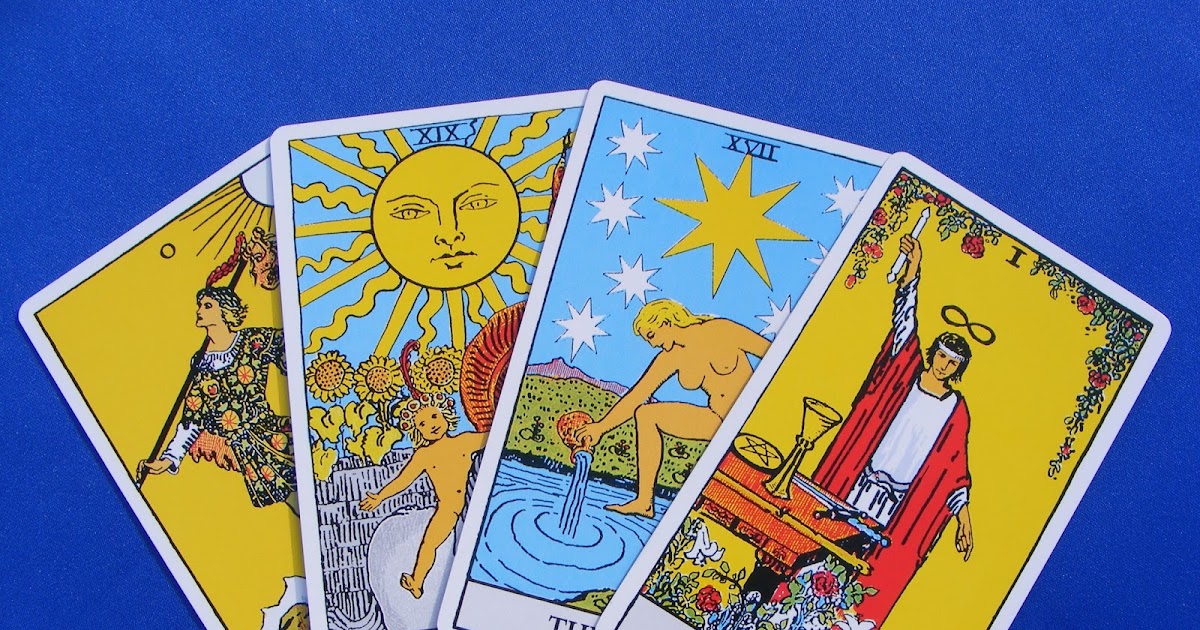
Color symbolism is another layer of depth in the Crowley Tarot. Crowley and Harris meticulously chose colors to evoke specific emotions and spiritual states. For instance, the use of gold in The Sun card symbolizes enlightenment and divine radiance, while the deep blues and purples in The Star card evoke a sense of cosmic mystery and hope. These colors are not arbitrary; they are carefully selected to enhance the card’s vibrational energy and resonate with the seeker on a subconscious level.
Understanding these numerical and color associations can significantly enrich a tarot reading. By paying attention to the subtle details in each card, the reader can uncover layers of meaning that might otherwise go unnoticed, leading to a more nuanced and insightful interpretation.
Why Crowley Tarot Fascinates: The Allure of the Esoteric
One of the most common observations about the Crowley Tarot is its ability to captivate those who are drawn to the esoteric and the mysterious. Unlike more straightforward decks, Crowley’s creation speaks to individuals who are willing to delve into the complexities of symbolism and occult philosophy. The deck’s intricate imagery and layered meanings offer a sense of depth and sophistication that appeals to both seasoned occultists and curious newcomers alike.
Another reason for its enduring fascination is the deck’s connection to Aleister Crowley himself. Known as the “Great Beast” and a controversial figure in occult history, Crowley’s reputation adds an element of intrigue to the tarot. His writings, such as *The Book of Thoth*, provide a roadmap for understanding the deck’s symbolism, inviting readers to explore the intersection of magic, mysticism, and psychology. For many, working with the Crowley Tarot is not just about divination; it’s about engaging with a living tradition that challenges the boundaries of conventional thought.
The Crowley Tarot also resonates with those who seek a more personalized and intuitive approach to divination. Because the deck is less prescriptive than traditional tarot decks, it allows readers to interpret the cards in a way that aligns with their own spiritual beliefs and experiences. This flexibility makes it a powerful tool for self-reflection and personal growth, as well as a means of exploring the deeper mysteries of existence.
Conclusion
The Crowley Tarot is more than just a deck of cards; it is a gateway to the hidden dimensions of the occult, a mirror reflecting the complexities of the human psyche, and a tool for unlocking the secrets of the universe. By understanding the origins, symbolism, and esoteric principles behind each card, readers can embark on a journey of self-discovery and spiritual enlightenment. Whether used for divination, meditation, or artistic inspiration, the Crowley Tarot offers a unique and transformative experience that continues to inspire awe and fascination.
FAQ
What is the Crowley Tarot?
The Crowley Tarot, also known as the Thoth Tarot, is a deck designed by Aleister Crowley and Lady Frieda Harris, known for its rich symbolism and esoteric meanings.
How does the Crowley Tarot differ from traditional decks?
Unlike traditional decks, the Crowley Tarot emphasizes symbolic density over narrative clarity, inviting more intuitive interpretations.
What role does numerology play in the Crowley Tarot?
Numerology in the Crowley Tarot assigns specific esoteric meanings to numbers, enhancing the interpretation of the cards.
Are there any specific themes in the Crowley Tarot?
Themes of transformation, intuition, and the interconnectedness of life cycles are prevalent throughout the Crowley Tarot.
Leave a Reply