Short Answer
Welcome to a deep exploration of Le Pendu, one of the most enigmatic and thought-provoking cards in the Tarot deck. Whether you’re a seasoned Tarot reader or a curious beginner, this guide will illuminate the layers of meaning behind this card—from sacrifice and surrender to transformation and new perspectives. Discover how Le Pendu challenges conventional wisdom, invites introspection, and serves as a powerful metaphor for personal growth. By the end, you’ll understand why this card resonates so deeply across cultures and spiritual traditions.
The Intriguing Metaphor of Le Pendu: Hanging Between Worlds
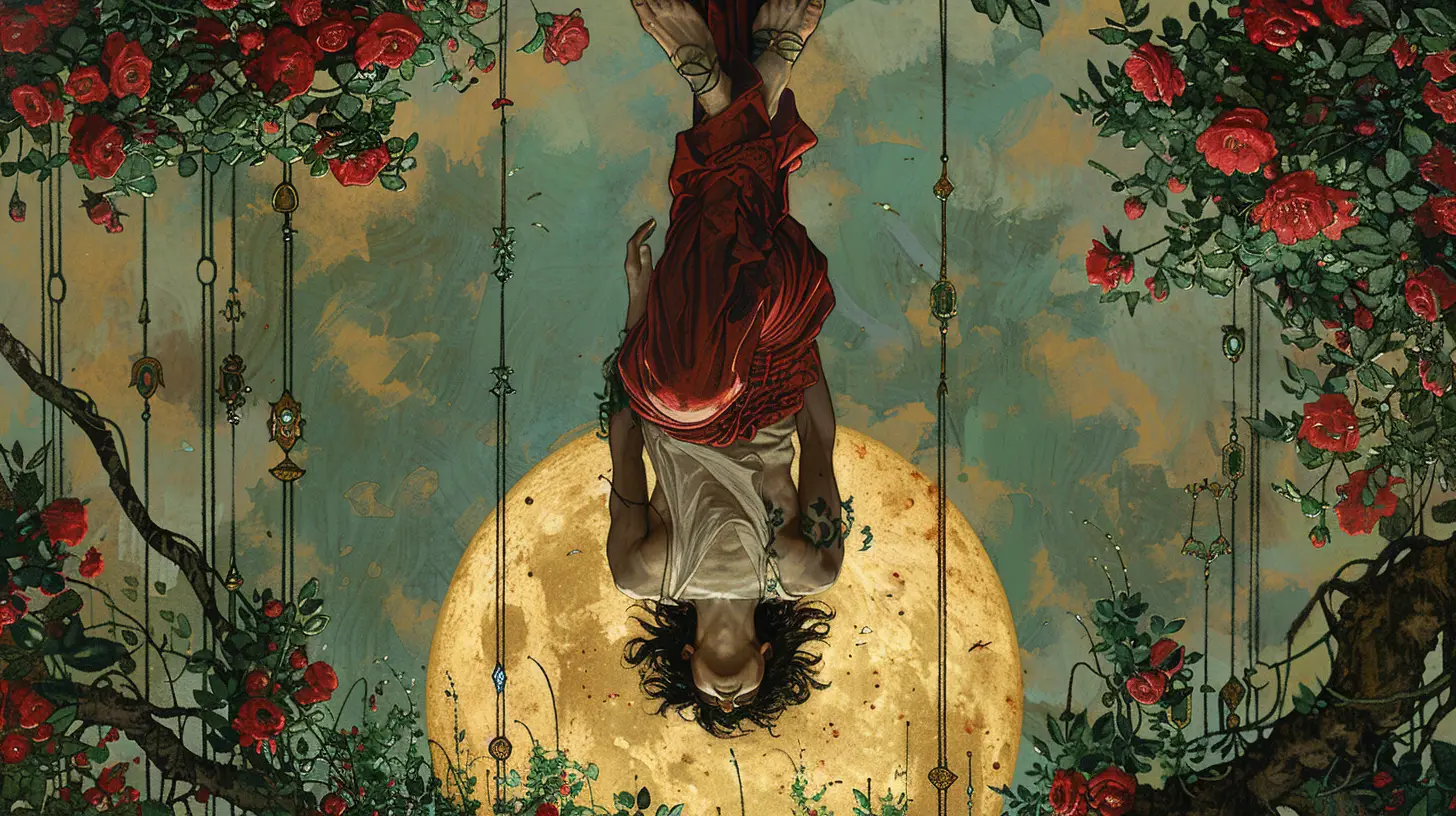
Le Pendu is often depicted as a figure suspended upside-down, hanging from a living tree or a wooden beam. This striking image is far more than a literal representation—it’s a rich metaphor for a state of suspension between two realities. The upside-down position suggests a reversal of perspective, where what once seemed solid now appears fluid, and what was familiar becomes foreign. This card embodies the idea of sacrifice not as loss, but as a necessary pause—a moment to detach, reflect, and see the world from a new angle.
The tree or gallows from which the figure hangs is not a symbol of punishment, but of life and growth. It roots the card in themes of endurance and renewal. In many traditions, trees represent the axis of the world, connecting the earthly and the divine. Le Pendu’s suspension, then, is not a fall, but a deliberate act of suspension—a choice to step back in order to move forward with greater clarity.
This metaphor extends to everyday life. When we feel “stuck,” Le Pendu reminds us that stagnation can be a form of preparation. It’s the pause before the breakthrough, the silence before the insight. The card invites us to embrace discomfort as a catalyst for transformation.
Sacrifice: Not Loss, But Letting Go
The most common interpretation of Le Pendu is sacrifice—but not in the sense of defeat. Here, sacrifice means voluntary surrender. It’s the decision to release control, to step away from what no longer serves us, even if it feels like a loss in the moment. This could mean letting go of a toxic relationship, abandoning a dead-end job, or releasing an outdated belief about yourself.
Unlike the Tower, which represents sudden, forced change, Le Pendu is a chosen surrender. The figure hangs willingly, one foot crossed over the other in a posture of calm acceptance. This suggests that true growth often requires us to release our grip on what we cling to—even when it feels safe or familiar. The sacrifice here is not of joy, but of illusion. We give up the need to control every outcome in exchange for deeper understanding.
In readings, Le Pendu may appear when you’re resisting change out of fear. It asks: What are you holding onto that no longer aligns with your highest good? The card doesn’t demand immediate action, but it does call for honesty. It’s a gentle nudge toward humility—the recognition that sometimes, the greatest strength lies in surrender.
New Perspective: Seeing the World Upside Down
One of the most liberating aspects of Le Pendu is its emphasis on perception. When we’re upside-down, the world looks different. Colors invert, shapes distort, and familiar landmarks become unrecognizable. This is precisely the gift of Le Pendu: it offers a radical shift in viewpoint.
In a spiritual sense, this card encourages you to question your assumptions. Are you viewing a situation from a place of ego or fear? Le Pendu suggests that the answers you seek may lie in re-examining your perspective. It’s a call to see challenges not as obstacles, but as opportunities to grow. The card often appears when you’re too close to a problem to see it clearly—like trying to read a book while holding it upside down.
This new perspective can also manifest in creativity. Artists, writers, and thinkers often experience breakthroughs when they “hang upside down”—metaphorically or literally. By disrupting routine, they open themselves to inspiration. Le Pendu reminds us that transformation begins with a change in how we see.

Le Pendu in Love, Career, and Personal Growth
In love readings, Le Pendu may signal a period of waiting or emotional suspension. It doesn’t necessarily mean the relationship is over—it could mean it’s evolving into something deeper, or that one partner needs to release old patterns to move forward. The card advises patience and a willingness to see the relationship from a new angle.
In career readings, Le Pendu can indicate a time to reassess your path. Are you clinging to a job out of fear, or are you truly aligned with your purpose? The card encourages you to consider what you’re willing to sacrifice for long-term fulfillment. It may also suggest a temporary setback that will lead to greater clarity.
For personal growth, Le Pendu is a powerful ally. It teaches that growth often requires discomfort. Whether it’s ending a habit, forgiving someone, or embracing solitude, the card reminds us that transformation is not always comfortable—but it’s always necessary. It’s the pause before the breakthrough, the silence before the insight.
Common Misconceptions and How to Avoid Them
One of the biggest misunderstandings about Le Pendu is that it represents failure or punishment. In reality, the card is neutral—it’s the context of the reading that gives it meaning. Another misconception is that Le Pendu always means inaction. While it does suggest a pause, it’s an active pause—a deliberate choice to step back and reflect.
To avoid misinterpreting Le Pendu, consider the surrounding cards in a spread. If they’re positive, Le Pendu may indicate a necessary delay before success. If they’re challenging, it could mean you’re resisting change out of fear. The key is to look beyond the surface image and ask: What is this card asking me to release?
Practical Ways to Work with Le Pendu’s Energy
If Le Pendu appears in your reading, consider these practices to align with its energy:
- Meditation: Visualize yourself hanging upside-down from a tree. What do you see differently? What fears or attachments fall away?
- Journaling: Write about a situation where you’re resisting change. What would happen if you surrendered control?
- Creative Expression: Try an activity that forces you out of your comfort zone—like painting with your non-dominant hand or writing a poem from a new perspective.
- Nature Connection: Spend time under a tree or in a quiet space. Reflect on what you’re willing to release to grow.
Conclusion: Embracing the Wisdom of Le Pendu
Le Pendu is more than a Tarot card—it’s a mirror for the human experience. It challenges us to see sacrifice not as loss, but as a sacred pause; to view new perspectives not as distractions, but as revelations. In a world that glorifies constant motion, Le Pendu reminds us of the power of stillness. It teaches that sometimes, the most profound transformations begin when we’re willing to hang upside-down—to see the world differently, and in doing so, see ourselves more clearly.
Whether you’re navigating a personal crisis, seeking creative inspiration, or simply questioning your path, Le Pendu offers a gentle yet profound invitation: Let go. Look again. And trust the process.
FAQ
What does Le Pendu represent in Tarot?
Le Pendu represents the idea of voluntary surrender and seeing the world from a different viewpoint.
How can I work with the energy of Le Pendu?
You can meditate, journal, or engage in creative activities to explore what you need to release for growth.
Leave a Reply