Short Answer
Ever wondered how ancient mysticism and modern tarot cards intertwine? Dive into the captivating world of the Tree of Life Tarot, where Kabbalah’s sacred geometry meets the intuitive art of tarot reading. This guide will unravel the mysteries behind this powerful synergy, helping you understand how these two systems complement each other. By the end, you’ll not only grasp the fundamentals but also discover how to apply this knowledge in your own spiritual practice. Ready to explore? Let’s begin.
What Is the Tree of Life in Kabbalah?
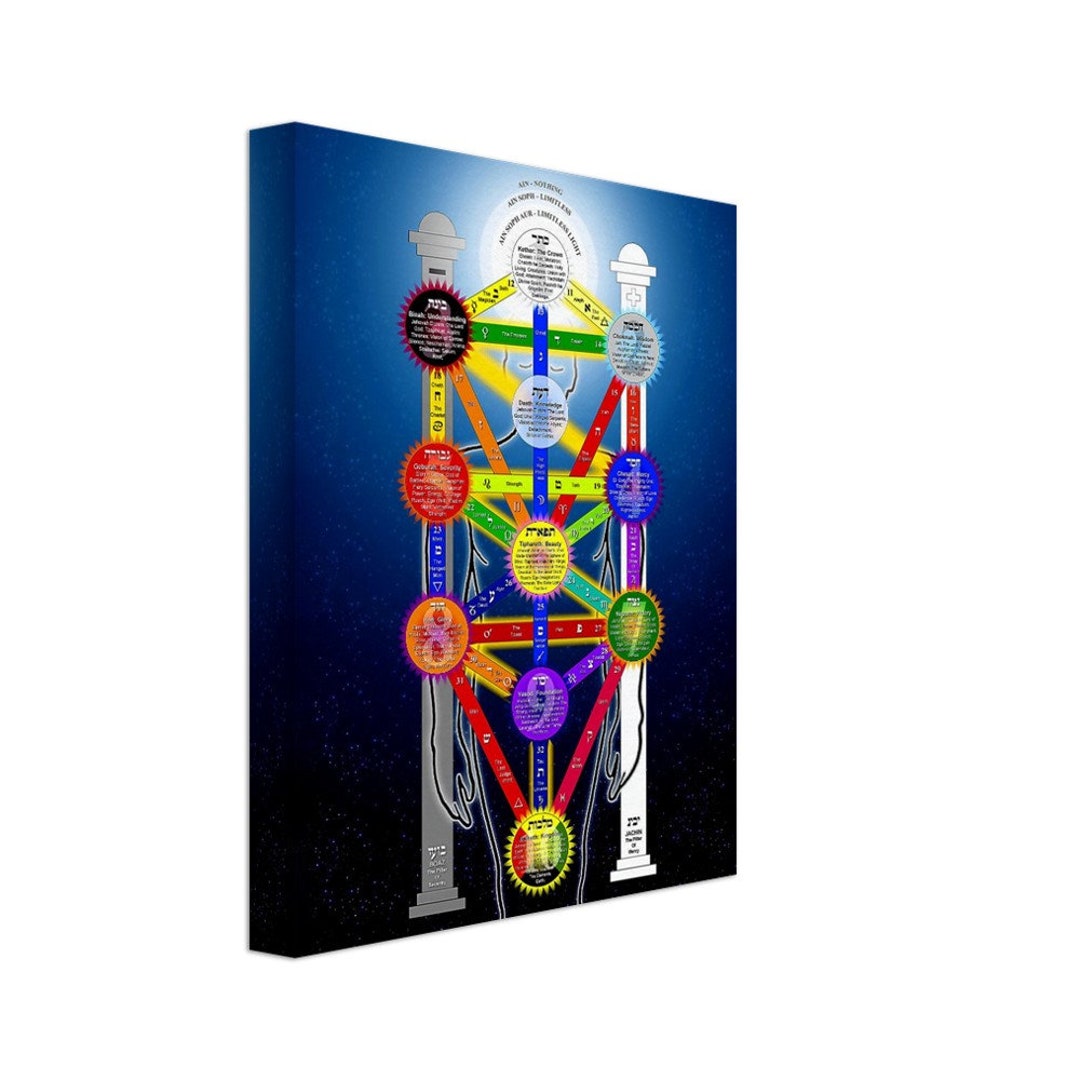
The Tree of Life is a foundational symbol in Kabbalah, representing the divine structure of the universe. It consists of ten Sefirot (divine emanations) connected by 22 paths, forming a map of spiritual evolution. Each Sefirah embodies a unique aspect of God’s nature, from wisdom (Chokmah) to kingdom (Malkuth). The paths between them symbolize the journey of the soul, where each step reflects growth, challenge, and enlightenment. Think of it as a cosmic ladder—each rung brings you closer to divine understanding. The Tree of Life isn’t just a static diagram; it’s a living, breathing framework for spiritual exploration.
In tarot, the Tree of Life serves as a bridge between abstract Kabbalistic concepts and tangible card imagery. The Major Arcana’s 22 cards mirror the 22 paths, while the Minor Arcana’s four suits align with the four worlds of Kabbalah. This alignment creates a rich tapestry of meaning, allowing tarot readers to interpret cards through a Kabbalistic lens. Whether you’re a seasoned tarot enthusiast or a curious beginner, understanding the Tree of Life will deepen your readings and reveal hidden layers of symbolism.
How Does the Tree of Life Connect to Tarot?
The connection between the Tree of Life and tarot is profound, with each tarot card resonating with a specific Sefirah or path. The Major Arcana’s 22 cards correspond directly to the 22 paths, while the four suits of the Minor Arcana (Wands, Cups, Swords, Pentacles) align with the four Kabbalistic worlds: Atziluth (Emanation), Briah (Creation), Yetzirah (Formation), and Assiah (Action). This alignment allows tarot readers to interpret cards not just as standalone symbols but as part of a larger, interconnected system.
For example, The Fool (Major Arcana 0) represents the beginning of the journey, much like the first Sefirah, Keter (Crown), symbolizing pure potential. The Magician (Major Arcana I) embodies Chokmah (Wisdom), the second Sefirah, where divine inspiration takes shape. By mapping tarot cards to the Tree of Life, you can uncover deeper layers of meaning in your readings. This system also helps in understanding the progression of a tarot spread, as each card reflects a stage in the soul’s journey through the Sefirot.
To apply this connection in your practice, try assigning each card in a spread to a Sefirah or path. Ask yourself: Which divine attribute does this card represent? How does it fit into the larger journey of the Tree? This approach transforms tarot from a simple divination tool into a sacred map of spiritual growth.
The 22 Paths: Tarot’s Major Arcana as Divine Journeys
The 22 paths of the Tree of Life are where the magic happens—they represent the soul’s evolution through challenges, revelations, and transformations. Each path corresponds to a Major Arcana card, and together, they tell the story of the Fool’s journey from innocence to enlightenment. Let’s break down a few key paths and their tarot counterparts:
- Path 11 (Chokmah to Binah): The High Priestess – This path represents the union of masculine and feminine energies, where intuition (Binah) meets divine wisdom (Chokmah). The High Priestess embodies this balance, urging you to trust your inner voice.
- Path 12 (Chesed to Geburah): The Emperor – Here, structure (Chesed, Mercy) meets discipline (Geburah, Severity). The Emperor card reflects the need for order and authority to balance compassion with justice.
- Path 22 (Yesod to Malkuth): The World – This final path symbolizes the completion of the journey, where the material world (Malkuth) integrates with the divine (Yesod, Foundation). The World card represents fulfillment, wholeness, and the end of a cycle.
By studying these paths, you’ll see how tarot cards aren’t just random symbols—they’re stepping stones on a sacred path. Each card invites you to reflect on a specific aspect of your spiritual journey, whether it’s embracing intuition, balancing opposites, or achieving mastery.
Working with the Four Worlds in the Minor Arcana
The four worlds of Kabbalah—Atziluth, Briah, Yetzirah, and Assiah—provide a framework for understanding the Minor Arcana’s four suits. Each world represents a different level of reality, from the purely spiritual (Atziluth) to the physical (Assiah). Here’s how they align with the tarot suits:
- Atziluth (Emanation): Wands – This world is the source of divine inspiration. Wands, with their fiery energy, embody creativity, passion, and spiritual drive. They represent the initial spark of an idea or desire.
- Briah (Creation): Cups – Cups deal with emotions, intuition, and the subconscious. In Briah, the world of creation, these cards reflect the formation of feelings, relationships, and artistic expression.
- Yetzirah (Formation): Swords – Swords are the realm of intellect, conflict, and mental clarity. In Yetzirah, they symbolize the shaping of thoughts, decisions, and the mind’s journey through challenges.
- Assiah (Action): Pentacles – Pentacles ground the spiritual into the material world. They represent practicality, finances, and the physical manifestation of ideas. In Assiah, these cards focus on action, results, and tangible outcomes.
To deepen your understanding, try pulling a card from each suit and meditating on how it manifests in each world. For example, the Ace of Cups in Briah might represent a new emotional beginning, while the same card in Assiah could signify a physical act of love or generosity. This practice helps you see the Minor Arcana as a dynamic, multi-layered system rather than a static set of symbols.
A Playful Challenge: Mapping Your Own Tarot Journey
Ready to put your newfound knowledge into practice? Here’s a fun challenge to deepen your connection with the Tree of Life Tarot:
- Draw a Single Card – Pull one card from the Major Arcana and identify which path it represents on the Tree of Life.
- Journal Its Meaning – Write down what this card means to you traditionally, then explore its Kabbalistic significance. How does the path’s energy resonate with the card’s imagery?
- First card: Where you are now (a current challenge or lesson).
- Second card: The Sefirah guiding you (a divine attribute to embody).
- Third card: The outcome or next step (a path to explore).
- Reflect and Share – Meditate on your spread. How does the Tree of Life’s structure influence your interpretation? Share your insights with a friend or journal them for future reference.
Create a Spread – Design a three-card spread where each position represents a different Sefirah. For example:
This challenge isn’t just about memorizing correspondences—it’s about experiencing the Tree of Life as a living, breathing guide. The more you engage with it, the more it will reveal itself to you in unexpected ways.
Common Pitfalls and How to Avoid Them
While the Tree of Life Tarot is a powerful tool, it’s easy to get lost in its complexity. Here are some common pitfalls and how to steer clear of them:
- Overcomplicating Readings – It’s tempting to force every card into a Kabbalistic framework, but sometimes a card’s traditional meaning is enough. Use the Tree of Life as a lens, not a cage.
- Ignoring Intuition – Kabbalah and tarot are deeply intuitive systems. Don’t get so caught up in correspondences that you dismiss your gut feelings. The Tree of Life is a map, but your intuition is the compass.
- Assuming Linear Progression – The Tree of Life isn’t a straight path; it’s a web of interconnected energies. Don’t expect every reading to follow a neat, linear story. Sometimes the journey loops back or takes unexpected turns.
- Forgetting the Practical – While the Tree of Life is mystical, its lessons are meant to be applied in daily life. Don’t just study it—live it. Use its wisdom to navigate challenges, make decisions, and grow spiritually.
Conclusion
The Tree of Life Tarot is more than a fusion of two esoteric systems—it’s a gateway to deeper self-awareness and spiritual growth. By understanding the Kabbalistic roots of tarot, you unlock a treasure trove of symbolism that enriches every reading. Whether you’re drawn to the Major Arcana’s divine journeys or the Minor Arcana’s practical lessons, the Tree of Life offers a roadmap for navigating life’s mysteries.
Start small: pick a card, explore its path, and let the wisdom unfold. Over time, you’ll find that the Tree of Life isn’t just a diagram—it’s a mirror reflecting your soul’s journey. So, what’s the first card you’ll explore?
FAQ
What is the Tree of Life in Kabbalah?
The Tree of Life is a foundational symbol in Kabbalah, representing the divine structure of the universe through ten Sefirot and 22 paths that illustrate spiritual evolution.
How does the Tree of Life connect to tarot?
The Tree of Life connects to tarot by mapping Major Arcana cards to its 22 paths and aligning Minor Arcana suits with Kabbalistic worlds, enhancing the interpretation of tarot readings.
What are the four worlds in Kabbalah?
The four worlds in Kabbalah—Atziluth, Briah, Yetzirah, and Assiah—represent different levels of reality, correlating with the four suits of the Minor Arcana in tarot.
Leave a Reply