Short Answer
The Da Vinci Tarot is a captivating and enigmatic deck that blends the genius of Leonardo da Vinci with the mystique of tarot symbolism. This guide explores the rich history, intricate artwork, and hidden codes embedded within the cards, offering readers a deeper understanding of their meanings. Whether you’re a tarot enthusiast, an art lover, or a seeker of esoteric wisdom, this comprehensive guide will illuminate the layers of mystery surrounding the Da Vinci Tarot. From its artistic inspirations to its symbolic interpretations, you’ll discover how this deck bridges the gap between Renaissance art and tarot tradition.
The History and Origins of the Da Vinci Tarot
The Da Vinci Tarot draws inspiration from the life, works, and theories of Leonardo da Vinci, the quintessential Renaissance polymath. Unlike traditional tarot decks, which often rely on medieval or occult imagery, the Da Vinci Tarot incorporates da Vinci’s sketches, inventions, and philosophical musings into its card designs. The deck was first introduced in the late 20th century, but its roots can be traced back to the Renaissance era, when da Vinci’s studies of human anatomy, nature, and geometry laid the groundwork for its symbolic language.
The creators of the Da Vinci Tarot sought to merge da Vinci’s artistic legacy with the timeless structure of the tarot. Each card reflects his meticulous attention to detail, blending anatomical precision with esoteric symbolism. The Major Arcana, in particular, is infused with references to da Vinci’s famous works, such as the Vitruvian Man and the Mona Lisa, while the Minor Arcana incorporates his studies of water, flight, and the natural world. This fusion creates a deck that is both visually stunning and intellectually stimulating.
Understanding the Artistic Symbolism in the Da Vinci Tarot
The Da Vinci Tarot is renowned for its intricate and thought-provoking artwork, which serves as a visual gateway to its deeper meanings. Each card is a miniature masterpiece, filled with symbols that reflect da Vinci’s fascination with science, art, and the human experience. The deck’s use of Renaissance techniques, such as sfumato and chiaroscuro, adds a sense of depth and realism to the cards, making them feel almost three-dimensional.
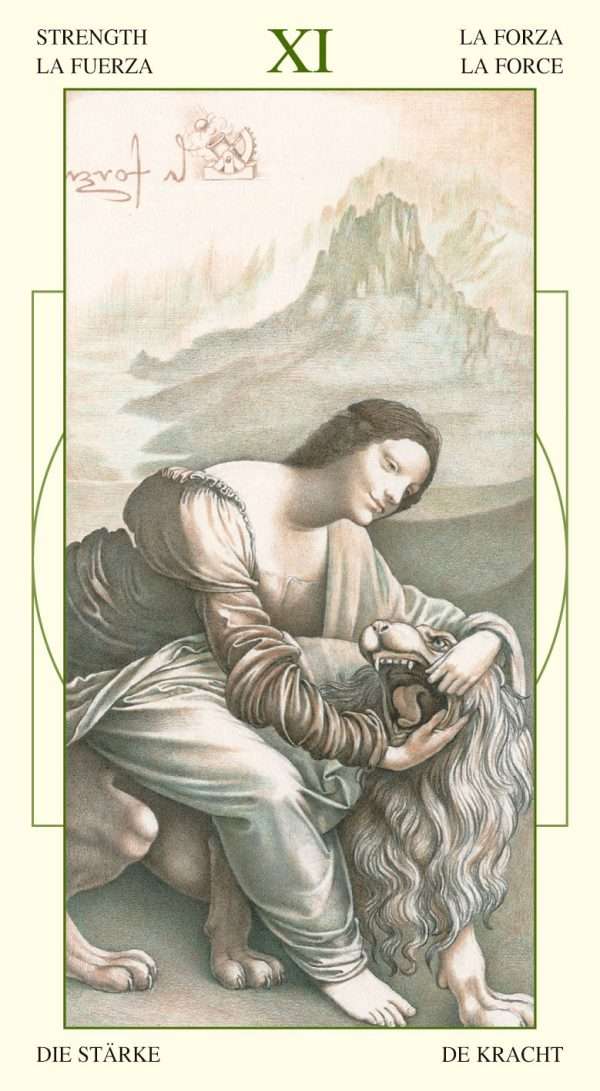
One of the most striking features of the Da Vinci Tarot is its incorporation of da Vinci’s anatomical studies. For example, the Strength card often depicts a figure with a lion, symbolizing inner power and control, while the Death card may feature skeletal figures in poses reminiscent of da Vinci’s Anatomical Studies. These visual references not only honor da Vinci’s legacy but also invite readers to explore the connections between the physical and spiritual realms.
The use of geometric patterns and sacred geometry is another hallmark of the Da Vinci Tarot. Da Vinci himself was deeply interested in the mathematical principles underlying nature and art, and these principles are woven into the deck’s design. The Wheel of Fortune card, for instance, may feature a circular motif that echoes da Vinci’s studies of planetary motion, while the Tower card could incorporate triangular shapes symbolizing stability and upheaval.
Decoding the Hidden Codes in the Da Vinci Tarot
Beyond its artistic beauty, the Da Vinci Tarot is rich with hidden codes and esoteric messages that invite deeper exploration. These codes can be found in the card imagery, the arrangement of symbols, and even the numerical correspondences of the tarot. For example, the Magician card often features a figure holding objects that represent the four classical elements—earth, air, fire, and water—echoing da Vinci’s studies of natural forces. Similarly, the High Priestess card may include references to da Vinci’s Lady with an Ermine, a painting that some interpret as a symbol of hidden wisdom.
Another layer of coding lies in the deck’s use of alchemical symbols. Da Vinci’s notebooks are filled with alchemical diagrams and references to the transmutation of base metals into gold, a process that parallels the tarot’s journey of spiritual transformation. The Hermit card, for instance, may depict a figure holding a lantern, a symbol of inner illumination that aligns with alchemical principles. By studying these codes, readers can uncover layers of meaning that go beyond the surface-level interpretations of traditional tarot.
Interpreting the Major Arcana Through Da Vinci’s Lens
The Major Arcana of the Da Vinci Tarot is where the deck’s fusion of art and mysticism is most apparent. Each card in this 22-card sequence is a narrative unto itself, drawing from da Vinci’s life, works, and philosophical inquiries. The Fool card, for example, may depict a young figure standing at the edge of a cliff, a nod to da Vinci’s studies of human movement and balance. The Lovers card could feature a scene inspired by da Vinci’s Annunciation, blending themes of love, choice, and divine intervention.
The Chariot card often incorporates da Vinci’s designs for flying machines, symbolizing the triumph of will and determination. Meanwhile, the Justice card may reference da Vinci’s anatomical sketches of the human heart, emphasizing the balance between logic and intuition. By interpreting these cards through the lens of da Vinci’s work, readers can gain a unique perspective on the tarot’s traditional meanings, seeing them as reflections of both ancient wisdom and Renaissance innovation.
The World card, the final card in the Major Arcana, is particularly evocative in the Da Vinci Tarot. It often features a figure surrounded by a laurel wreath, a symbol of victory and completion, which can be linked to da Vinci’s Salvator Mundi or his studies of celestial motion. This card serves as a reminder that the tarot’s journey is cyclical, much like the patterns da Vinci observed in nature and art.
Exploring the Minor Arcana: Nature, Science, and Daily Life
The Minor Arcana of the Da Vinci Tarot is divided into four suits—Cups, Swords, Wands, and Pentacles—each representing a different aspect of human experience. Unlike traditional tarot decks, the Da Vinci Tarot’s Minor Arcana is deeply rooted in da Vinci’s observations of the natural world and his scientific inquiries. The Cups suit, for example, may feature scenes of water, reflecting da Vinci’s studies of rivers, tides, and the human circulatory system. These cards often symbolize emotions, relationships, and intuition, much like in other tarot decks, but with a unique emphasis on the fluidity and interconnectedness of life.
The Swords suit in the Da Vinci Tarot is heavily influenced by da Vinci’s anatomical drawings of the human body, particularly the brain and nervous system. The cards in this suit may depict figures in poses that mirror da Vinci’s sketches of muscular and skeletal structures, symbolizing the power of the mind and the challenges of decision-making. The Wands suit, on the other hand, draws from da Vinci’s studies of fire, flight, and the forces of nature. These cards often feature dynamic imagery, such as flames or birds in flight, representing creativity, ambition, and transformation.
The Pentacles suit is where da Vinci’s love of geometry and architecture shines through. The cards in this suit may incorporate architectural elements, such as columns or arches, symbolizing stability, wealth, and the practical aspects of life. Da Vinci’s designs for buildings and machines are subtly woven into the imagery, reminding readers of the importance of grounding their dreams in reality. Together, the Minor Arcana of the Da Vinci Tarot offers a holistic view of life’s challenges and opportunities, framed through the lens of da Vinci’s genius.
Practical Uses of the Da Vinci Tarot: Readings and Meditations
The Da Vinci Tarot is not just a tool for divination; it is also a gateway to meditation, self-reflection, and creative inspiration. Its rich symbolism makes it ideal for deepening one’s understanding of tarot, whether through solitary study or guided readings. For those new to tarot, the Da Vinci deck offers a visually engaging way to learn the cards, as the artwork provides immediate context for each card’s meaning. For experienced readers, the deck’s hidden codes and artistic nuances offer endless opportunities for exploration and discovery.
One practical way to use the Da Vinci Tarot is through journaling. By recording your interpretations of each card, you can track your personal growth and uncover patterns in your readings. For example, if the Hermit card frequently appears in your spreads, it may indicate a need for introspection or a period of spiritual seeking. The deck’s emphasis on da Vinci’s life also makes it a powerful tool for exploring themes of curiosity, innovation, and perseverance. You might even use the cards as prompts for creative writing or artistic projects, drawing inspiration from the imagery and symbolism.
Meditation is another powerful way to engage with the Da Vinci Tarot. By focusing on a single card and allowing its imagery to guide your thoughts, you can tap into the deeper layers of meaning embedded in the deck. For instance, meditating on the Star card might inspire you to reflect on hope, guidance, and the interconnectedness of all things, while the Moon card could lead you to explore themes of illusion, intuition, and the subconscious mind. The deck’s artistic beauty makes it a perfect companion for mindfulness practices, helping you cultivate a sense of wonder and connection.
Conclusion
The Da Vinci Tarot is a treasure trove of art, mystery, and hidden codes, offering a unique blend of Renaissance genius and tarot tradition. Whether you’re drawn to its stunning visuals, its esoteric symbolism, or its practical applications, this deck has something to offer every seeker. By exploring its history, decoding its imagery, and engaging with its cards through readings and meditations, you can unlock a deeper understanding of both tarot and the human experience. The Da Vinci Tarot is more than just a deck of cards; it is a bridge between the past and the present, inviting you to uncover the mysteries that lie within and around you.
FAQ
What is the Da Vinci Tarot?
The Da Vinci Tarot is a tarot deck that blends the artistic genius of Leonardo da Vinci with traditional tarot symbolism, offering unique interpretations and insights.
How does the Da Vinci Tarot differ from traditional tarot decks?
Unlike traditional decks that often rely on medieval imagery, the Da Vinci Tarot incorporates da Vinci’s artworks, sketches, and scientific studies into its design and meanings.
What are the Major Arcana in the Da Vinci Tarot?
The Major Arcana consists of 22 cards, each representing significant themes and archetypes, interpreted through the lens of da Vinci’s life and artistry.
Can the Da Vinci Tarot be used for meditation?
Yes, the Da Vinci Tarot can be utilized for meditation and self-reflection, offering rich symbolism that inspires creative thought and personal insights.
Leave a Reply