Short Answer
Dive into the enigmatic world of tarot as we unravel the true essence of the Death card. Often misunderstood and feared, this card carries a profound message of transformation, renewal, and rebirth. In this guide, you’ll discover why the Death tarot card is not about literal demise but about the powerful cycles of change that shape our lives. Learn how to interpret its symbolism, recognize its presence in readings, and embrace its transformative energy with confidence. By the end, you’ll see Death not as an omen of doom, but as a catalyst for growth and evolution.
The Death Tarot Card: A Misunderstood Symbol of Transformation
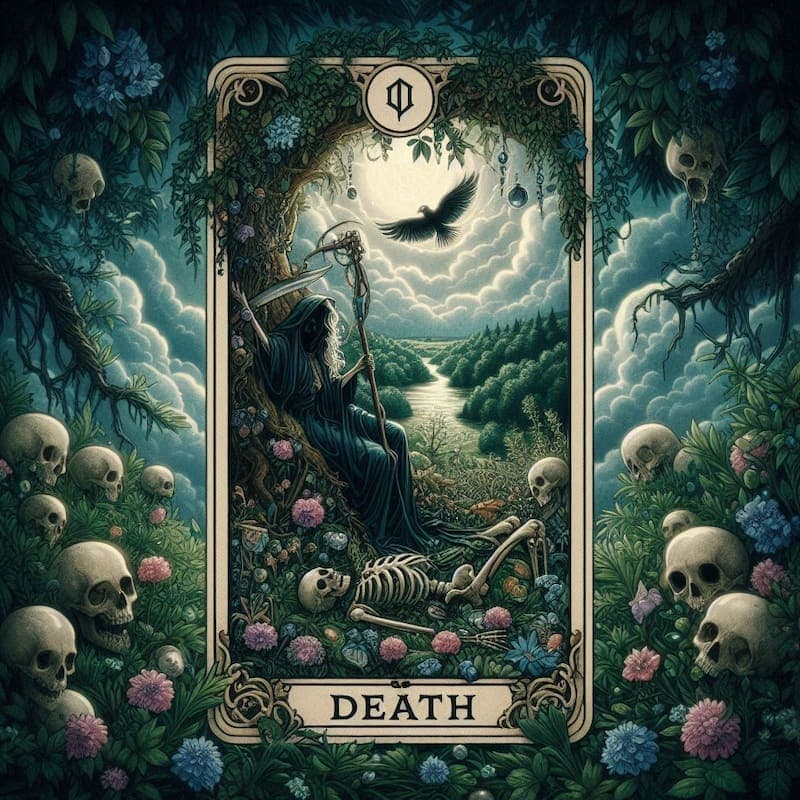
The Death card, often depicted as a skeletal figure riding a white horse, wielding a black banner adorned with a white rose, is one of the most feared cards in the tarot deck. Its imagery is stark and dramatic, evoking images of endings and loss. However, this card is far from a harbinger of literal death. Instead, it symbolizes the inevitable and necessary endings that pave the way for new beginnings. Think of it as nature’s cycle—leaves must fall for spring to arrive, and night must give way to dawn.
In tarot readings, the Death card signals a period of significant change. It may indicate the end of a relationship, a career shift, or the closure of a chapter in your life. But these endings are not final; they are transitions that clear the path for fresh opportunities. The white horse the figure rides symbolizes purity and the triumph of spirit over material concerns, while the black banner represents the unknown, the mysteries that lie ahead. The white rose on the banner is a reminder that even in endings, beauty and purity can emerge.
When this card appears in a spread, it’s an invitation to reflect on what no longer serves you. It’s a call to release old habits, beliefs, or relationships that have outlived their purpose. The Death card doesn’t ask for mourning; it asks for acceptance and the courage to embrace what comes next. It’s a card of empowerment, urging you to shed your past and step into a future that aligns with your true self.
Why the Death Card Isn’t About Physical Death
One of the most common misconceptions about the Death card is that it predicts physical death. This couldn’t be further from the truth. Tarot cards are tools for introspection and guidance, not instruments of prophecy. The Death card is about metaphorical death—the death of an idea, a phase, or a way of life. It’s about the transformations that occur when we outgrow our old selves and step into new versions of who we are.
Consider the natural world: trees lose their leaves in autumn, only to regrow them in spring. This cycle is a perfect metaphor for the Death card. It’s about the shedding of the old to make room for the new. In a reading, this card might appear when you’re on the cusp of a major life change, such as leaving a job, ending a relationship, or moving to a new place. These changes, while often challenging, are essential for your growth and evolution.
The Death card also highlights the impermanence of life and the importance of embracing change. It reminds us that nothing lasts forever, and that’s not a cause for fear but a reason to live fully and authentically. When you see this card in a spread, ask yourself: What parts of my life are ready to end so that something new can begin? The answer may lead you to profound personal growth.
Interpreting the Death Card in Different Tarot Spreads
The meaning of the Death card can shift depending on its position in a tarot spread and the cards surrounding it. In a past position, it may indicate a recent ending or a significant change that has already occurred. In the present position, it suggests that you are in the midst of a transformative process, and in the future position, it hints at an upcoming transition that will shape your path.
When paired with The Tower card, the Death card can signify a sudden and unexpected upheaval. Together, these cards represent a dramatic shift that forces you to confront reality and rebuild from the ground up. If The Death card appears with The Star, it suggests that after a period of darkness, hope and renewal are on the horizon. The Death card with The Lovers might indicate the end of a relationship that no longer serves your highest good, making space for a more authentic connection.
In a career reading, the Death card could signal the end of a job or a shift in your professional path. It’s a reminder that sometimes, letting go of what no longer fulfills you is the first step toward finding work that truly resonates with your soul. In matters of love, it may indicate the end of a relationship that has run its course, allowing both parties to grow individually and perhaps find more compatible partners in the future.
It’s also important to consider the surrounding cards when interpreting the Death card. If it appears with predominantly positive cards, such as The Sun or The World, it suggests that the transformation will lead to a brighter, more fulfilling future. If it’s surrounded by challenging cards, like Five of Cups or Ten of Swords, it may indicate a period of grief or loss, but even then, the card reminds you that healing and renewal are possible.
The Symbolism Behind the Death Card’s Imagery
The imagery of the Death card is rich with symbolism, each element offering a deeper layer of meaning. The skeletal figure represents the inevitability of change and the impermanence of life. Unlike living figures, a skeleton is ageless and universal, reminding us that death is a natural part of the cycle of life. The white horse symbolizes purity, strength, and the triumph of spirit over material concerns. It’s a reminder that even in the face of endings, there is grace and dignity to be found.
The black banner the figure holds is a stark contrast to the white horse, representing the unknown and the mysteries that lie ahead. It’s a symbol of the veil between the old and the new, the familiar and the unfamiliar. The white rose on the banner is a paradox—a symbol of life and beauty emerging from darkness. It’s a reminder that even in the most challenging transitions, there is potential for growth and renewal.
The background of the card often features a barren landscape with a rising sun in the distance. The barren landscape represents the void left by what has ended, while the rising sun symbolizes the promise of a new day. This imagery reinforces the idea that endings are not the end of the story but merely the prelude to a new chapter. The Death card’s symbolism is a powerful reminder that transformation is a natural and necessary part of life.

How to Embrace the Death Card’s Energy in Your Life
Seeing the Death card in a reading can feel daunting, but it’s an opportunity to harness its transformative energy. The first step is to acknowledge the change it represents. Whether it’s the end of a job, a relationship, or a phase of life, allow yourself to grieve what is passing. But don’t let yourself get stuck in the past. The Death card encourages you to release what no longer serves you and make space for what’s to come.
Practice self-reflection to understand what aspects of your life are ready for transformation. Journaling can be a powerful tool for this. Write about what you’re ready to let go of and what you hope to invite into your life. Visualize the changes you want to see and take small steps toward them. The Death card is a reminder that you have the power to shape your future, even in the face of uncertainty.
It’s also helpful to surround yourself with supportive people who understand the importance of change. Share your feelings with trusted friends or a therapist, and seek out communities that embrace growth and transformation. Remember, the Death card isn’t about isolation; it’s about the courage to evolve and the support of those who walk beside you on your journey.
Finally, trust in the process. The Death card teaches us that endings are not failures but necessary steps on the path to becoming our true selves. Embrace the unknown with an open heart, and you’ll find that what follows is often more beautiful and fulfilling than what came before.
Conclusion
The Death tarot card is a profound symbol of transformation, renewal, and the natural cycles of life. Far from being a card of doom, it invites you to embrace change, release what no longer serves you, and step boldly into the future. Whether it appears in a reading or resonates with your personal journey, the Death card reminds you that endings are not the end of the story—they are the beginning of something new.
By understanding the true meaning of this card, you can shift your perspective from fear to empowerment. The next time you encounter the Death card, see it as a sign that you are being called to grow, evolve, and embrace the beauty of transformation. After all, life is a series of endings and beginnings, and the Death card is your guide through it all.
FAQ
What does the Death tarot card represent?
The Death tarot card represents transformation, endings, and new beginnings, rather than physical death.
How should I interpret the Death card in a reading?
In a reading, the Death card invites reflection on what needs to end in order to allow for new opportunities and growth.
Leave a Reply