Short Answer
If you’ve pulled the Death card in reverse during a tarot reading, you might feel stuck, resistant to change, or overwhelmed by fear. This guide explores the meaning of the Death tarot card reversed, focusing on how fear can paralyze growth and what steps you can take to move forward. You’ll learn about the emotional, psychological, and practical implications of this card, along with actionable advice to break free from stagnation. Whether you’re facing a major life transition or simply feeling stuck in your daily routine, this guide will help you understand and overcome the barriers holding you back.
Understanding the Death Tarot Card Reversed
The Death card in tarot is often misunderstood as a literal end or tragedy, but in reality, it symbolizes transformation, endings, and new beginnings. When reversed, however, the card takes on a different meaning—one rooted in resistance and fear. Instead of embracing change, you may find yourself clinging to familiarity, even if it no longer serves you. This fear of the unknown can manifest as procrastination, avoidance, or a deep-seated reluctance to let go of the past.
At its core, the Death card reversed suggests that you are stuck because you’re scared. This fear might stem from past experiences, uncertainty about the future, or a lack of confidence in your ability to adapt. Unlike the upright Death card, which encourages you to surrender to change, the reversed version highlights the emotional and mental blocks that prevent you from moving forward. Recognizing this fear is the first step toward breaking free from its grip.
Common Signs You’re Stuck Because You’re Scared
Fear doesn’t always announce itself with a loud voice—sometimes, it whispers in the form of subtle behaviors and emotions. If you’re stuck because you’re scared, you might notice patterns like avoiding difficult conversations, delaying important decisions, or holding onto relationships or situations that no longer bring you joy. Procrastination is another telltale sign; you might put off tasks that require change, even if they’re necessary for your growth.
Emotionally, this fear can manifest as anxiety, self-doubt, or a sense of dread about what’s to come. You might feel like you’re waiting for a sign or permission to move forward, but the truth is, the only permission you need is your own. The Death card reversed often appears when you’re overanalyzing every possible outcome, fearing failure, or worrying about what others might think. These mental loops keep you trapped in a cycle of inaction.

The Psychological Roots of Fear and Stagnation
Fear is a natural human response, but when it becomes chronic, it can lead to stagnation. Psychologically, the Death card reversed points to deep-seated beliefs about change being dangerous or unpredictable. You might associate endings with loss or failure, which makes it difficult to embrace new beginnings. This fear can also be tied to past traumas or experiences where change led to pain, reinforcing the idea that staying put is safer.
Another psychological factor is the comfort of routine. Even if your current situation is unfulfilling, it’s familiar, and familiarity feels safe. The Death card reversed highlights how this comfort zone can become a prison, keeping you from exploring opportunities that could lead to growth. Additionally, societal pressures—like the expectation to have everything figured out—can amplify this fear, making it harder to take the first step toward change.
How Fear Manifests in Different Areas of Life
The impact of the Death card reversed can vary depending on the area of your life it’s affecting. In your career, fear might show up as resistance to pursuing a new job, starting a business, or even asking for a promotion. You might convince yourself that you’re not ready or that the timing isn’t right, when in reality, you’re afraid of stepping into the unknown. In relationships, this fear can lead to staying in toxic dynamics or avoiding vulnerability because you’re scared of getting hurt.
On a personal level, the Death card reversed might manifest as a reluctance to let go of old habits, grudges, or even physical belongings that no longer serve you. You might hold onto things “just in case,” even if they clutter your space and mind. Spiritually, this card can indicate a fear of transformation—perhaps you’re avoiding practices like meditation, therapy, or self-reflection because they force you to confront uncomfortable truths about yourself.
Breaking Free: Practical Steps to Overcome Fear
Overcoming the fear represented by the Death card reversed starts with small, intentional actions. Begin by acknowledging your fear without judgment. Write down what you’re afraid of and why, then ask yourself if these fears are based on reality or past experiences. Challenge the idea that change is inherently dangerous by reframing it as an opportunity for growth. Remind yourself that every major change in life, no matter how scary, has led to new possibilities.
Another powerful step is to take one small action toward your goal, no matter how insignificant it may seem. If you’re afraid of starting a new project, commit to spending just 10 minutes on it. If you’re avoiding a difficult conversation, practice what you want to say in a journal first. These small steps build momentum and prove to your brain that you’re capable of handling change. Surround yourself with supportive people who encourage you to take risks, and limit exposure to those who reinforce your fears.
Embracing Change Without Losing Yourself
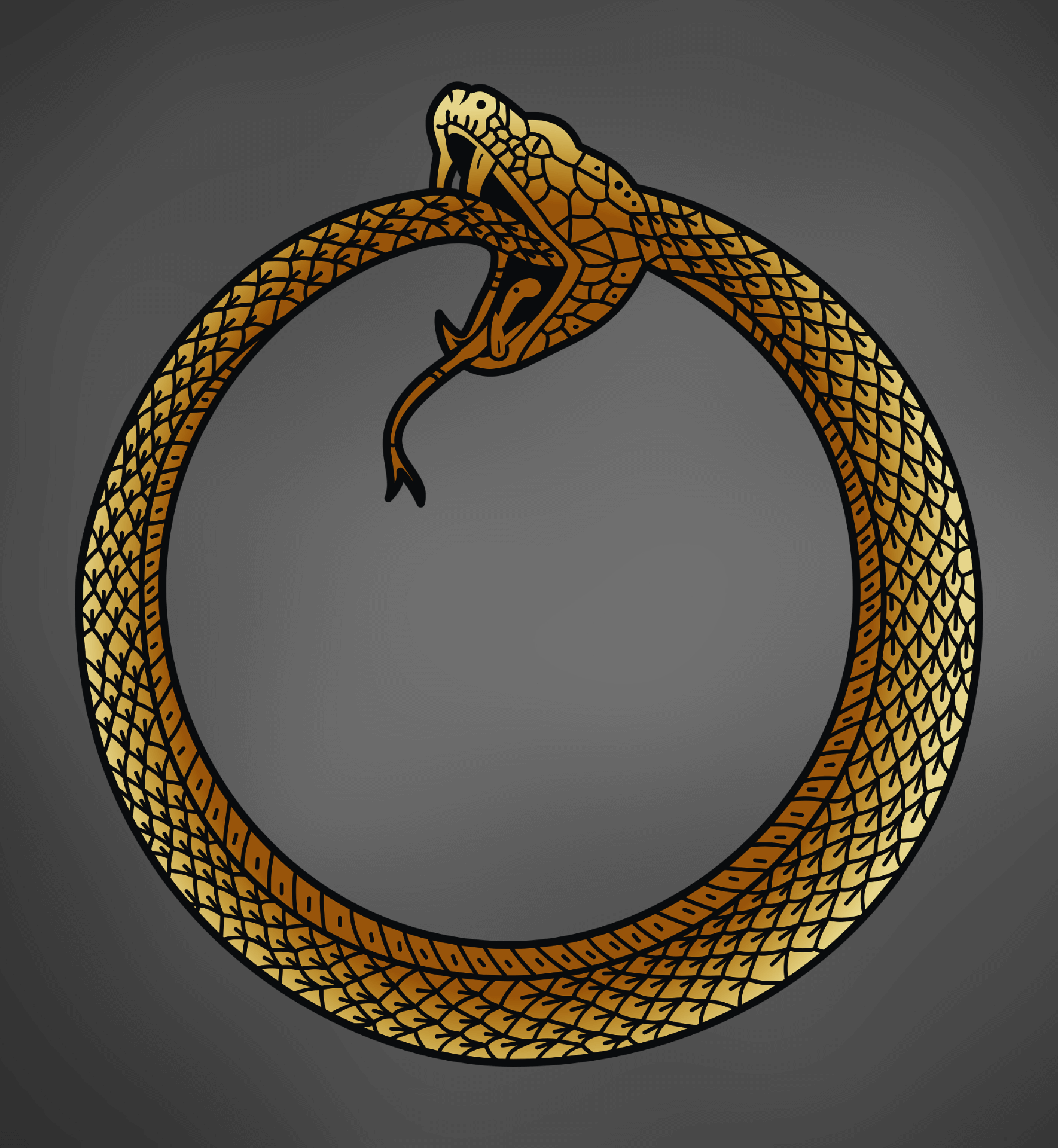
One of the biggest misconceptions about the Death card reversed is that you have to completely overhaul your life to move forward. In reality, transformation doesn’t require drastic changes—it’s about shedding what no longer serves you and making space for what does. Start by identifying one area of your life where you’re holding onto fear. It could be a relationship, a job, or even a belief about yourself. Ask yourself: What am I afraid would happen if I let this go? Often, the answer reveals that your fear is based on assumptions rather than facts.
Practice self-compassion as you navigate this process. Change is hard, and it’s okay to feel scared. Instead of berating yourself for being stuck, treat yourself with kindness. Remind yourself that growth isn’t linear, and it’s normal to have setbacks. Celebrate the small wins, like saying no to something that drains you or finally taking that first step toward a goal. Over time, these actions will help you build confidence in your ability to adapt and thrive.
Conclusion
The Death tarot card reversed is a powerful reminder that fear is often the biggest obstacle to the life you want. Whether it’s the fear of the unknown, failure, or losing control, these emotions can keep you stuck in a cycle of resistance. However, recognizing this fear is the first step toward breaking free. By taking small, intentional actions and reframing change as an opportunity rather than a threat, you can move past stagnation and embrace the transformations waiting for you.
Remember, the Death card reversed isn’t a prediction of doom—it’s an invitation to let go of what no longer serves you and make space for new beginnings. Trust in your ability to adapt, and know that every step forward, no matter how small, brings you closer to the life you desire. Fear may be a part of the journey, but it doesn’t have to be the destination.
Leave a Reply