Short Answer
In this guide, you’ll uncover the enigmatic layers of the Devil Tarot card—both in its upright and reversed positions. You’ll explore its symbolism, psychological depth, and the unique appeal that makes it one of the most intriguing cards in the deck. Whether you’re a seasoned reader or a curious seeker, this exploration will illuminate how the Devil can reveal hidden chains, addictive patterns, and the path to liberation. Dive in to understand its metaphors, interpretations, and the transformative power it holds.
The Devil Tarot: A Symbol of Bondage and Shadow
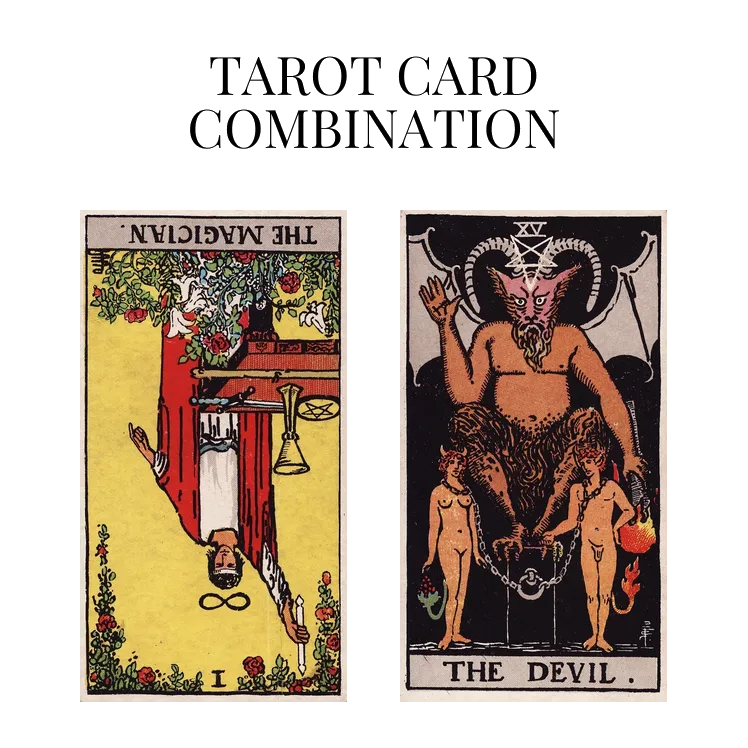
The Devil Tarot card is often misunderstood as purely negative, but it serves as a mirror to our deepest attachments and fears. In the Rider-Waite-Smith deck, the Devil is depicted as a horned figure with bat-like wings, perched atop a pedestal while chained figures kneel before him. These chains are loose—they could be removed at any moment—but the figures remain, symbolizing the illusion of bondage we create for ourselves. The card represents materialism, addiction, toxic relationships, and the chains of habit that keep us from true freedom.
Metaphorically, the Devil embodies the shadow self—the parts of us we suppress or deny. It’s not about external evil but the internal struggles that bind us: procrastination, self-sabotage, or clinging to comfort zones that no longer serve us. The card asks us to confront what we’ve been ignoring, to recognize the illusions we’ve built around our limitations. It’s a call to examine the “chains” in our lives—whether they’re financial dependencies, unhealthy relationships, or self-destructive behaviors—and ask: Am I truly trapped, or am I choosing to stay?

Upright Devil: The Illusion of Control and Addiction
When the Devil appears upright in a reading, it signals a period of entrapment—often self-imposed. This card highlights the things we cling to out of fear, comfort, or habit, even when they harm us. It could manifest as an addiction (to substances, social media, or even toxic relationships), a job that drains your soul, or a lifestyle that prioritizes instant gratification over long-term fulfillment. The upright Devil warns that these chains are not as unbreakable as they seem; the key lies in recognizing the illusion.
On a deeper level, the upright Devil can represent the shadow work required to break free. It’s a nudge to ask: What am I feeding that’s keeping me small? This card often appears when you’re in denial about a situation, whether it’s a bad habit, a manipulative dynamic, or a cycle of self-sabotage. The solution isn’t external force but radical self-honesty. The Devil’s chains are loose for a reason—you have the power to remove them, but it requires facing the discomfort of change.
Reversed Devil: Breaking Free and Reclaiming Power
The reversed Devil is a beacon of hope, signaling liberation from the chains that once held you captive. This card suggests you’re on the cusp of breaking a cycle—whether it’s an addiction, a toxic relationship, or a self-limiting belief. The reversed Devil is about reclaiming your agency and recognizing that the power you thought was outside yourself was always within. It’s a card of awakening, where you see the illusion for what it is and refuse to be a prisoner any longer.
In readings, the reversed Devil can also indicate a moment of clarity where you’ve hit rock bottom—or finally decided enough is enough. It’s the moment you walk away from a job that was slowly killing you, end a relationship that was draining your energy, or delete an app that was stealing your time. This card is a reminder that freedom isn’t about waiting for the perfect conditions; it’s about making the choice to step into your power, even when the path isn’t clear. The reversed Devil is your inner rebel rising up, saying, I am not my chains.
Additionally, the reversed Devil can point to a need for boundaries. It asks you to examine where you’ve been giving your power away—whether to people, systems, or your own fears—and to set firm limits. It’s a call to detoxify your life, not just externally but internally, by releasing the stories that keep you stuck.
The Devil and the Magician: A Powerful Contrast
The Devil and The Magician are often seen as opposites, but they share a profound connection: both cards deal with power, albeit in vastly different ways. The Magician represents skill, manifestation, and harnessing your potential, while the Devil represents the misuse or misdirection of that power. When these cards appear together—especially with The Magician reversed—they highlight a critical dynamic: you have the tools to create change, but you’re not using them. The reversed Magician in this context suggests stagnation, wasted potential, or a disconnect between your intentions and actions.
This pairing is a wake-up call. It asks you to examine where you’re squandering your energy—whether it’s through procrastination, self-doubt, or engaging in cycles that drain you. The Devil’s presence here is a reminder that you can’t blame external forces for your lack of progress; the chains are yours to break. The Magician reversed paired with the Devil is a sign to realign with your goals, to stop feeding the illusions that keep you small, and to wield your power with intention.
Shadow Work and the Devil’s Lessons
The Devil Tarot card is ultimately a tool for shadow work—the process of integrating the parts of yourself you’ve disowned or ignored. It’s not about judgment but about awareness. The card’s power lies in its ability to expose the illusions we’ve built around our limitations, whether they’re financial, emotional, or spiritual. By facing the Devil, you confront the aspects of yourself that thrive on comfort, control, or avoidance, and you reclaim the agency to rewrite your story.
Shadow work with the Devil might involve journaling prompts like: What am I addicted to that isn’t serving me? Where have I given my power away? What fears keep me chained? It’s about naming the shadows so they lose their grip. The Devil teaches that liberation isn’t about perfection but about honesty—recognizing the chains, accepting that you’ve worn them for a reason, and then choosing to step out of them, one link at a time.
Conclusion
The Devil Tarot card is a paradox—a symbol of bondage and the key to breaking free. Whether upright or reversed, it challenges you to look at the illusions you’ve created and the power you’ve given away. It’s a card of confrontation, not condemnation, urging you to see the chains for what they are: not unbreakable, but a choice. The Devil’s unique appeal lies in its raw honesty; it doesn’t sugarcoat the struggle but offers the tools to transcend it. By understanding its metaphors—addiction, shadow, and liberation—you transform a card often feared into one of empowerment. The next time the Devil appears in your spread, ask yourself: What illusion am I ready to release?
FAQ
What does the Devil Tarot card mean in an upright position?
The upright Devil signifies self-imposed entrapment, addictions, and the importance of recognizing the illusions that bind us.
What does the Devil Tarot card mean in a reversed position?
The reversed Devil indicates liberation from chains, reclaiming personal power, and the importance of setting boundaries.
How can the Devil Tarot card assist in shadow work?
The Devil encourages confronting repressed aspects of ourselves and recognizing the illusions that keep us stuck, facilitating personal growth.
Leave a Reply