Short Answer
Envy is one of the most subtle yet powerful emotions that can quietly erode relationships, self-worth, and personal growth. The Envy Tarot card, often overlooked in favor of more dramatic archetypes like The Devil or The Tower, carries a unique message about hidden jealousy that demands attention. In this guide, you’ll uncover the layers of meaning behind Envy in Tarot, explore its psychological undercurrents, and learn how to recognize and address this emotion before it takes root. Whether you’re a Tarot enthusiast, a seeker of self-awareness, or someone navigating complex emotions, this exploration will illuminate the shadows of jealousy and offer pathways to transformation.
The Envy Tarot Card: A Mirror to Hidden Desires
The Envy Tarot card, though not a traditional Major Arcana figure, often appears in spreads as a symbol of unspoken longing and comparison. Unlike the overt greed of The Devil, Envy operates in the shadows, whispering doubts and stoking the fire of inadequacy. When this energy surfaces in a reading, it’s a sign that you—or someone in your life—may be harboring resentment toward another’s success, possessions, or relationships.
Visually, the Envy card might depict a figure peering through a window at another’s life, their expression a mix of longing and bitterness. This metaphor speaks to the universal human tendency to measure our worth against others, often forgetting that everyone’s journey is unique. The card serves as a reminder that comparison is the thief of joy, and true fulfillment comes from within, not from external validation.

Why Envy Strikes: The Psychology Behind the Emotion
Envy is not merely a fleeting feeling; it’s a complex emotion rooted in insecurity and perceived injustice. Psychologists distinguish between two types: benign envy, which motivates self-improvement, and malicious envy, which seeks to diminish the other person’s success. The Envy Tarot card often highlights the latter, urging you to examine whether your feelings are driving you toward growth or destruction.
At its core, envy arises when we feel we lack something—whether it’s love, status, or material wealth—that someone else possesses. The Tarot asks you to question: Is this lack real, or is it a distortion created by comparison? The card challenges you to confront these feelings head-on, recognizing that envy often masks deeper needs, such as a desire for recognition or a fear of being left behind.
Spotting Envy in Your Life: Red Flags and Subtle Signs
Envy rarely announces itself with fanfare. Instead, it creeps in through subtle behaviors and thought patterns. In a Tarot reading, the Envy card might appear alongside cards like The Three of Swords (heartache) or The Five of Pentacles (lack), signaling emotional or material dissatisfaction. Pay attention to these signs:
- Passive-Aggressive Comments: Veiled criticisms or backhanded compliments about someone’s achievements.
- Obsessive Scrolling: Endlessly consuming social media to fuel feelings of inadequacy.
- Sabotage: Subconsciously undermining others to feel superior.
- Self-Sabotage: Avoiding opportunities out of fear that others will outshine you.
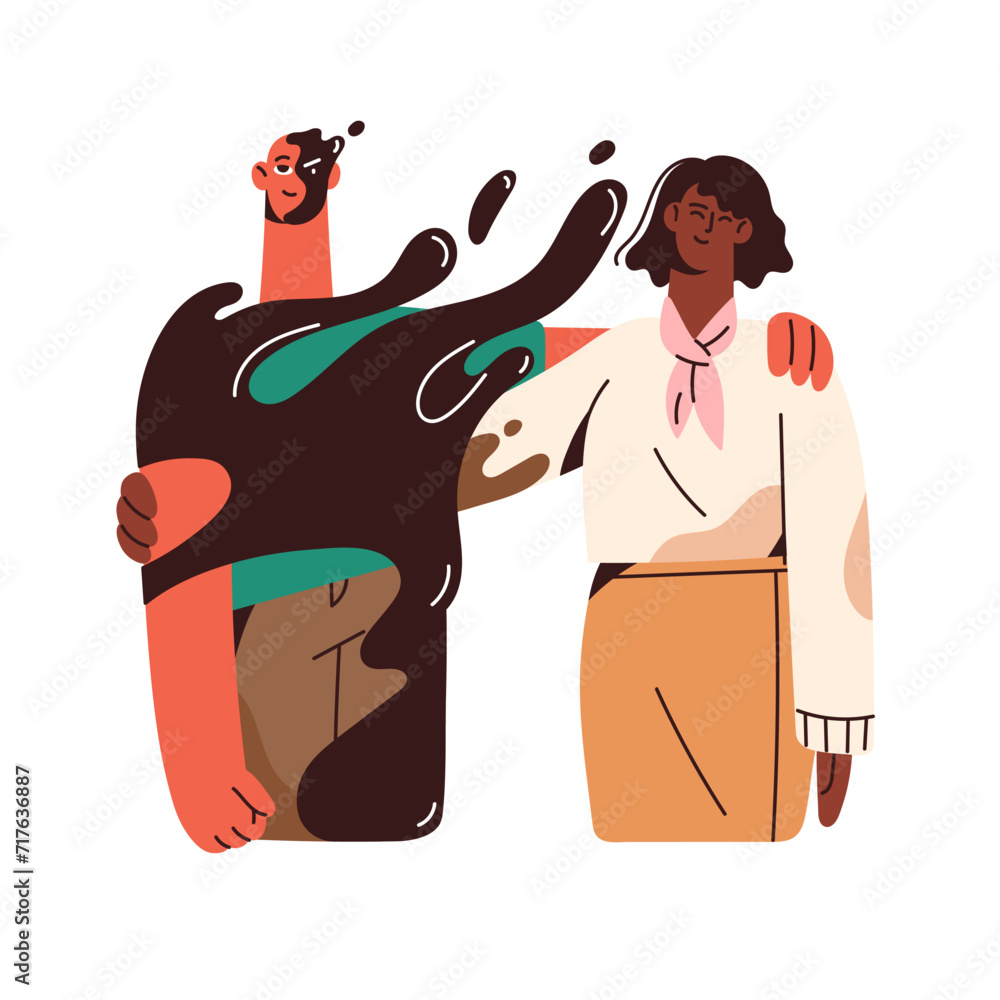
Breaking Free from Envy’s Grip: Tarot’s Path to Liberation
The Envy Tarot card isn’t just a warning; it’s an invitation to reclaim your power. Here’s how to use its energy to foster growth rather than resentment:
- Confront the Root: Ask yourself: What am I truly jealous of? Is it the person’s success, their relationships, or something else? Journaling or drawing a card like The Hermit (introspection) can help uncover the truth.
- Reframe Comparison: Instead of seeing others’ achievements as threats, view them as proof that your goals are possible. The Star card in a spread can reinforce this perspective.
- Practice Gratitude: Envy thrives in a vacuum of lack. Counter it by listing what you already have, using The Ten of Cups as a reminder of life’s blessings.
- Channel Energy Productively: Redirect envy into motivation. If someone else’s success sparks your ambition, use it as fuel to pursue your own dreams.
- Forgive and Release: Holding onto envy poisons your spirit. The Temperance card encourages balance and letting go of toxic emotions.
Envy in Relationships: When Love Turns to Resentment
Envy doesn’t just affect individuals—it can poison relationships, whether romantic, familial, or friendships. In a Tarot reading, cards like The Lovers reversed or The Two of Swords (blocked communication) may indicate envy lurking beneath the surface. Signs to watch for include:
- A partner who downplays your achievements.
- A friend who subtly competes with you in every area of life.
- A family member who resents your independence.
To heal, the Envy card advises open dialogue and self-reflection. Ask yourself: Is this relationship bringing out the best in me, or am I staying out of fear? The Justice card can guide you toward fair resolutions, while The Chariot (determination) empowers you to set boundaries.
Cultural and Historical Perspectives on Envy
Envy has been a recurring theme in mythology, religion, and art for centuries. In Greek mythology, the goddess Nemesis punished those who succumbed to envy, while the biblical story of Cain and Abel illustrates the destructive power of jealousy. The Envy Tarot card taps into this timeless narrative, reminding us that unchecked envy can lead to irreversible consequences.
Historically, envy was often associated with the “evil eye,” a belief that jealous glances could bring misfortune. Today, the Tarot reinterprets this idea, framing envy as a call to self-awareness rather than a supernatural curse. By understanding its cultural roots, you can see envy not as a moral failing but as a universal human experience that, when acknowledged, can lead to profound growth.

Conclusion: Transforming Envy into Empowerment
The Envy Tarot card is a mirror, reflecting back the parts of ourselves we’d rather ignore. It doesn’t ask you to suppress these feelings but to examine them with courage and curiosity. By recognizing envy’s presence, you can dismantle its power and redirect its energy toward positive change. Whether it appears in a reading or surfaces in your daily life, remember: envy is not a life sentence. It’s a signal—a call to action, to self-improvement, and ultimately, to liberation.
Use the wisdom of the Tarot to navigate these emotions with grace. Draw cards like The Sun for optimism, The World for completion, and The Magician for resourcefulness. With each step, you’ll move closer to a life where envy no longer holds the reins, and your true potential can flourish.
FAQ
What does the Envy Tarot card symbolize?
The Envy Tarot card symbolizes hidden jealousy, unspoken longing, and the tendency to compare oneself to others, often highlighting feelings of inadequacy and resentment.
How can envy be identified in a Tarot reading?
Envy can be identified by the presence of the Envy card alongside cards like The Three of Swords or The Five of Pentacles, indicating emotional dissatisfaction, passive-aggressive behaviors, or self-sabotage.
How can the energy of envy be transformed positively?
By confronting the root causes, reframing comparisons, practicing gratitude, channeling envy into motivation, and forgiving oneself, envy’s energy can be redirected toward personal growth and empowerment.
Does envy affect relationships according to Tarot?
Yes, envy can poison relationships, often indicated by cards such as The Lovers reversed or The Two of Swords, and requires open dialogue, self-reflection, and setting boundaries to heal.
What cultural or historical significance does envy have?
Envy has been depicted in mythology and religion as a destructive force, such as in Greek myths and biblical stories, and traditionally linked to concepts like the 'evil eye', symbolizing the universal human challenge it represents.
Leave a Reply