Short Answer
Embark on a journey into the heart of the Marseille Tarot, where ancient symbolism meets timeless wisdom. This guide will unravel the intricate layers of the Marseille system, revealing how its visual metaphors and archetypal imagery serve as a bridge between the mundane and the mystical. Whether you’re a seasoned reader or a curious seeker, you’ll discover how the 78 cards of this deck weave a narrative of human experience, from the trials of the Fool to the triumphs of the World. Prepare to see beyond the cards themselves and into the soul of a tradition that has endured for centuries.
The Marseille Tarot: A Legacy Etched in Symbolism
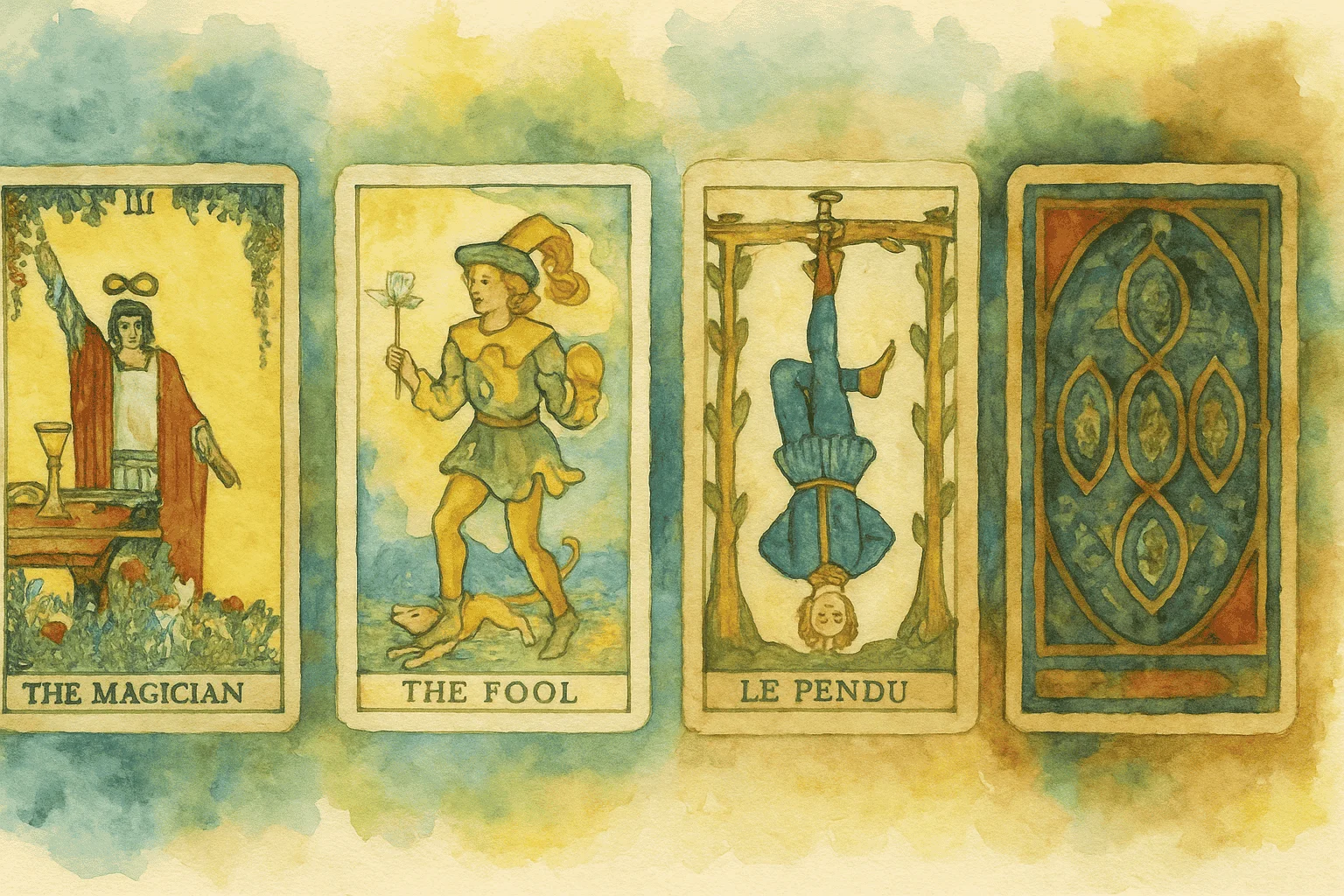
The Marseille Tarot is more than a deck of cards—it is a living testament to centuries of esoteric tradition. Originating in 17th-century France, this deck is distinguished by its bold, woodcut-style illustrations, where each card is a miniature masterpiece of allegory. Unlike the Rider-Waite-Smith deck, which emphasizes narrative scenes, the Marseille Tarot relies on stark, symbolic imagery that invites deep contemplation. The Major Arcana, for instance, presents figures like the Magician and the High Priestess not as characters in a story, but as universal principles—tools for understanding the human condition. The deck’s visual language is intentionally minimalist, allowing the reader to project their own interpretations onto its enigmatic scenes. This simplicity is its strength, making the Marseille Tarot a mirror for the subconscious, where every symbol resonates with personal and collective meaning.
The Major Arcana: The Hero’s Journey in 22 Stages
The Major Arcana of the Marseille Tarot follows the archetypal journey of the Fool, a figure who begins as an innocent wanderer and evolves through trials and revelations into the embodiment of wisdom. Each card in this sequence represents a pivotal moment in this odyssey, from the raw potential of the Magician (Card I) to the integration of the World (Card XXI). The Marseille system is particularly striking in its portrayal of the Fool, who is often depicted as a carefree traveler stepping off a cliff—symbolizing both reckless abandon and the leap of faith required for transformation. The High Priestess (Card II), with her veil and scroll, embodies the threshold between the conscious and the subconscious, a reminder that knowledge is not just acquired but intuited. Meanwhile, the Tower (Card XVI) shatters illusions with its lightning-struck structure, teaching that destruction often precedes rebirth. These cards are not mere illustrations; they are a roadmap for navigating life’s most profound challenges and triumphs.
The Minor Arcana: The Tapestry of Everyday Life
Where the Major Arcana charts the grand themes of existence, the Minor Arcana of the Marseille Tarot grounds us in the rhythms of daily life. Divided into four suits—Wands, Cups, Swords, and Coins—each suit corresponds to an elemental force (fire, water, air, and earth) and governs different aspects of human experience. The Wands, for example, represent creativity, ambition, and the spark of inspiration, while the Cups delve into emotions, relationships, and the subconscious. The Swords cut through illusion with their sharp edges, symbolizing intellect, conflict, and the power of discernment. Meanwhile, the Coins ground us in the material world, addressing finances, health, and practical matters. Unlike the illustrated scenes of the Rider-Waite deck, the Marseille Minor Arcana often features abstract or symbolic imagery, such as a hand emerging from a cloud holding a cup or a sword piercing a crown. This abstraction invites the reader to fill the cards with their own experiences, making the readings deeply personal and universally applicable.

The Court Cards: Archetypes of Personality and Influence
The Court Cards of the Marseille Tarot—Page, Knight, Queen, and King—are among the most intriguing and often misunderstood aspects of the deck. Unlike the Major Arcana, which depicts universal themes, the Court Cards represent specific personality types or energies that can manifest in people, situations, or even within ourselves. The Pages, for instance, embody youthful curiosity and potential, while the Knights are the embodiment of action and movement, often charging forward with purpose. The Queens and Kings, on the other hand, represent mature, stabilized energies—Queens as nurturing and receptive, Kings as authoritative and decisive. The Marseille system’s Court Cards are particularly striking in their lack of narrative detail, often depicting only a figure in profile or a stylized emblem. This minimalism forces the reader to engage with the card’s essence rather than its surface details, making the Court Cards powerful tools for understanding interpersonal dynamics and personal growth.
The Marseille System’s Unique Appeal: Why It Resonates Across Time
What sets the Marseille Tarot apart from other decks is its unparalleled ability to transcend cultural and temporal boundaries. Its symbolism is rooted in medieval Christian iconography, alchemical allegory, and Renaissance philosophy, yet its messages feel timeless. The deck’s visual language is so potent that it has inspired artists, mystics, and psychologists alike, from the surrealists to Carl Jung, who saw in the Tarot a reflection of the collective unconscious. The Marseille system’s strength lies in its ambiguity—it does not prescribe a single meaning but instead offers a framework for exploration. This makes it a versatile tool for divination, meditation, and self-reflection. Whether you’re seeking guidance on a specific question or simply exploring the depths of your psyche, the Marseille Tarot invites you to look beyond the surface and into the heart of the matter. Its cards are not just tools for prediction; they are mirrors for the soul, reflecting back the patterns and possibilities that shape our lives.
Conclusion: The Marseille Tarot as a Gateway to the Sacred
The Marseille Tarot is more than a deck of cards—it is a sacred language, a visual poetry that speaks to the deepest parts of our being. Its Major Arcana maps the journey of the soul, while its Minor Arcana grounds us in the textures of everyday life. The Court Cards offer a lens through which to view ourselves and others, and its symbolic language transcends time and culture. Whether you’re drawn to its bold imagery, its historical roots, or its potential for personal insight, the Marseille Tarot is a gateway to the sacred. It reminds us that the answers we seek are not always found in the external world but within the stories we tell ourselves and the symbols we choose to interpret. As you explore this ancient system, let the cards guide you—not as a fortune-teller’s tool, but as a companion on the path to self-discovery and wisdom.
FAQ
What is the Marseille Tarot?
The Marseille Tarot is a traditional tarot deck known for its symbolic imagery and minimalist design, originating in 17th-century France.
How does the Major Arcana differ from the Minor Arcana in the Marseille Tarot?
The Major Arcana represents significant life themes and spiritual lessons, while the Minor Arcana focuses on daily experiences and challenges across four suits.
What are the Court Cards in the Marseille Tarot?
The Court Cards consist of Pages, Knights, Queens, and Kings, symbolizing different personality types and energies that can influence readings.
Leave a Reply