Short Answer
Welcome to a deep dive into the mystical world of the Glossary Goddess Cards and the profound symbolism of the Hanged Man—both in its upright and reversed positions. Whether you’re a seasoned tarot enthusiast or a curious newcomer, this guide will illuminate the intricate layers of meaning behind this enigmatic card. You’ll explore its metaphorical richness, uncover its unique appeal, and gain insights into how it reflects life’s paradoxes, sacrifices, and transformative moments. By the end, you’ll see why the Hanged Man stands out as a powerful symbol of surrender, perspective, and rebirth.
The Essence of Glossary Goddess Cards: A Gateway to Symbolic Wisdom
The Glossary Goddess Cards are a curated collection designed to bridge ancient wisdom with modern intuition. Unlike traditional tarot decks, these cards often emphasize archetypal feminine energy, mythological depth, and universal themes of transformation. They serve as a visual and conceptual glossary, offering nuanced interpretations of symbols that resonate across cultures and spiritual traditions. The Hanged Man, in particular, embodies a paradox: it represents both stagnation and enlightenment, confinement and liberation. This duality makes it one of the most intriguing cards in any deck, inviting seekers to question their perceptions and embrace the unknown.
Decoding the Hanged Man: A Card of Paradox and Perspective
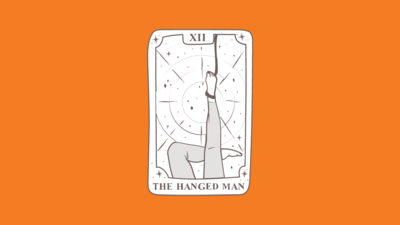
The Hanged Man is a card that defies conventional logic. In its upright position, it depicts a figure suspended upside down, often with a serene expression and a halo of light. This imagery is far from a punishment—it’s a deliberate choice, a surrender to a higher wisdom. The card symbolizes:
- Sacrifice and Surrender: The figure’s inverted position suggests letting go of control, releasing resistance, and trusting the process. It’s about recognizing that sometimes, the greatest growth comes from stillness.
- New Perspectives: Being upside down literally flips the worldview. This card encourages you to see situations from a different angle, challenging assumptions and revealing hidden truths.
- Waiting and Preparation: The Hanged Man teaches patience. It’s a reminder that not all answers come immediately; some require time, reflection, and a willingness to pause.
The card’s energy is one of active passivity—doing nothing while doing everything. It’s the art of being present in the moment, even when the outcome is uncertain.

The Hanged Man Reversed: Resistance and the Fear of Letting Go
When the Hanged Man appears reversed, its message shifts from surrender to struggle. This position highlights:
- Stagnation and Martyrdom: The reversed Hanged Man may indicate a refusal to change, clinging to old patterns out of fear or stubbornness. It can feel like being trapped in a cycle with no escape.
- Self-Sabotage: The card may reveal a tendency to overanalyze or resist necessary sacrifices. You might be holding onto a situation that no longer serves you, paralyzed by indecision.
- Lack of Perspective: Without the willingness to see things differently, the reversed Hanged Man can lead to tunnel vision. It’s a call to step back and question whether your current path is truly aligned with your growth.
Reversed, the card isn’t a sign of failure but an invitation to confront what’s holding you back. It asks: Where are you refusing to surrender? The answer often lies in releasing the need for control or admitting that some battles aren’t worth fighting.
The Unique Appeal of the Hanged Man: Why It Captivates Hearts and Minds
The Hanged Man’s allure lies in its ability to encapsulate life’s most profound contradictions. It’s a card that doesn’t just predict—it transforms. Here’s what makes it so compelling:
- Universal Symbolism: The imagery of suspension and inversion resonates across cultures, from the Norse god Odin hanging from Yggdrasil to the Hindu concept of the world turned upside down during Kali Yuga. This universality makes the card relatable to anyone seeking deeper meaning.
- Psychological Depth: In Jungian terms, the Hanged Man represents the shadow self—the parts of us we suppress or ignore. Its appearance in a reading can signal a need to integrate these hidden aspects for wholeness.
- Artistic and Poetic: The card’s surreal, dreamlike quality has inspired artists, poets, and storytellers for centuries. Its visual metaphor—of seeing the world from a new vantage point—is a powerful narrative device in literature and film.
- Spiritual Paradox: In many traditions, enlightenment comes through surrender. The Hanged Man embodies this truth, showing that sometimes, the path to wisdom is paved with discomfort and the willingness to be uncomfortable.
Practical Applications: How to Work with the Hanged Man
Whether you’re using the Glossary Goddess Cards for meditation, journaling, or divination, the Hanged Man offers practical wisdom for daily life. Here’s how to engage with its energy:
- In Meditation: Visualize yourself as the Hanged Man. Notice the sensations of being upside down—what emotions arise? Where do you feel tension or release? This practice can reveal subconscious blocks or new insights.
- In Journaling: Reflect on a situation where you felt stuck. Write about what it would mean to surrender to it fully. How might your perspective shift if you viewed it from a different angle?
- In Decision-Making: When faced with a tough choice, ask: Am I resisting this change out of fear, or is it truly not right for me? The Hanged Man encourages you to trust the process, even if the outcome isn’t immediately clear.
- In Relationships: The card can highlight dynamics where one person feels “sacrificed” or where a relationship needs a new perspective. It’s a reminder to communicate openly about needs and expectations.
Common Misconceptions About the Hanged Man
Despite its depth, the Hanged Man is often misunderstood. Here are a few myths to dispel:
- It’s About Punishment: The card is not a sign of doom. Its upside-down position is a deliberate choice for growth, not a consequence of wrongdoing.
- It Means Doing Nothing: While the Hanged Man embodies stillness, it’s an active stillness—one of awareness, reflection, and preparation. It’s not laziness but strategic pause.
- It’s Always Negative: Even in its reversed position, the card isn’t inherently bad. It’s a call to action, urging you to address what’s holding you back rather than a sign of failure.
Conclusion: Embracing the Hanged Man’s Wisdom
The Hanged Man is more than a tarot card—it’s a mirror to the soul’s journey. Whether upright or reversed, it challenges you to question, to surrender, and to see the world with fresh eyes. In a culture that often glorifies action and productivity, the Hanged Man reminds us of the power of stillness, the beauty of paradox, and the liberation that comes from letting go. The Glossary Goddess Cards, with their rich symbolism and archetypal depth, elevate this message, making it accessible to those who seek not just answers, but transformation.
As you work with the Hanged Man, remember: its magic lies in its ability to turn the ordinary into the extraordinary. It doesn’t just predict change—it invites you to be the change, upside down and all.
Leave a Reply