Short Answer
In this comprehensive guide, you’ll discover the profound symbolism and transformative power behind the Osho Zen Tarot deck. Whether you’re a seasoned tarot reader or a curious beginner, this article will illuminate how the deck bridges ancient wisdom with modern spirituality. You’ll explore the unique philosophy behind the cards, their interpretations, and why they resonate so deeply with those seeking clarity and inner peace. By the end, you’ll understand not just the meanings of the cards, but the deeper reasons behind their enduring fascination.
Understanding the Osho Zen Tarot Philosophy
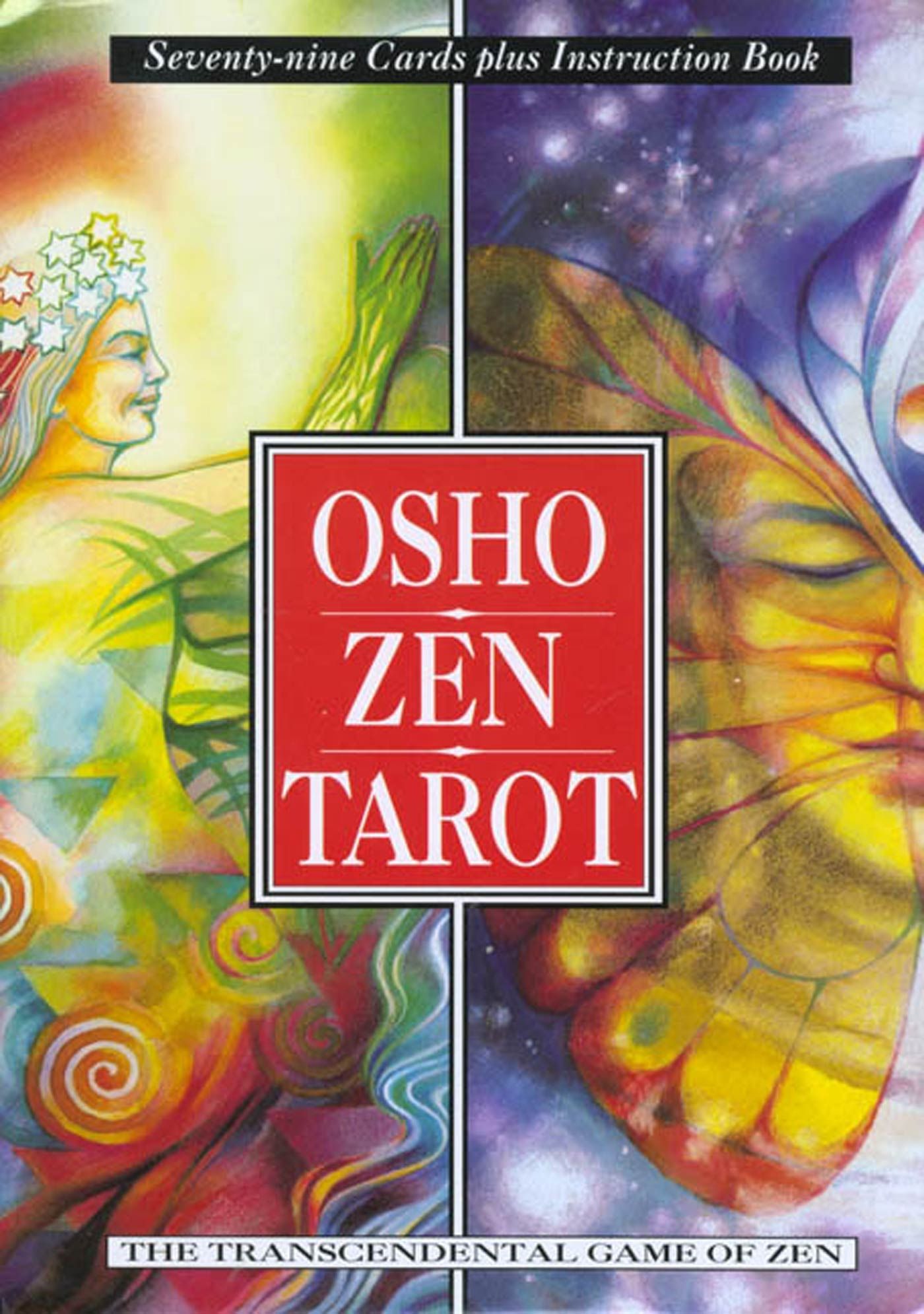
The Osho Zen Tarot deck is not just a tool for divination—it’s a gateway to self-discovery and enlightenment. Created under the guidance of Osho (Bhagwan Shree Rajneesh), a spiritual teacher known for his revolutionary approach to meditation and consciousness, this deck blends traditional tarot imagery with Zen philosophy. Unlike conventional tarot decks, which often focus on dramatic archetypes and complex symbolism, the Osho Zen Tarot simplifies the imagery to evoke immediate clarity and presence.
The deck consists of 79 cards, including the Major Arcana (22 cards) and Minor Arcana (56 cards), each infused with Osho’s teachings on mindfulness, awareness, and the art of living in the moment. The cards are designed to bypass the logical mind and speak directly to the subconscious, making them accessible to both beginners and advanced practitioners. The philosophy behind the deck emphasizes that tarot is not about predicting the future but about understanding the present and aligning with one’s true nature.
The Structure of the Osho Zen Tarot Deck
The Osho Zen Tarot deck is divided into two main sections: the Major Arcana and the Minor Arcana. The Major Arcana cards represent significant life themes and spiritual lessons, while the Minor Arcana focuses on everyday experiences and challenges. Each card is accompanied by a message from Osho, providing guidance and insight into its deeper meaning.
The Major Arcana cards in this deck include familiar archetypes like The Fool, The Magician, and The Tower, but they are reimagined with Zen simplicity. For example, The Fool is depicted as a simple figure stepping off a cliff, symbolizing the leap of faith required to embrace new beginnings. The Minor Arcana is divided into four suits—Wands, Cups, Swords, and Disks—each representing different aspects of life, such as creativity, emotions, intellect, and material reality. The court cards (Page, Knight, Queen, King) are also present, offering nuanced perspectives on personality traits and energies.

Key Osho Zen Tarot Meanings Explained
The Osho Zen Tarot deck is renowned for its straightforward yet profound interpretations. Below are some of the most significant cards and their meanings:
The Fool
The Fool represents new beginnings, spontaneity, and the courage to step into the unknown. In the Osho Zen Tarot, The Fool is depicted as a carefree figure stepping off a cliff, symbolizing trust in the universe and the willingness to embrace life without fear. This card encourages you to let go of overthinking and dive into the present moment with an open heart.
The Magician
The Magician is a card of manifestation and personal power. In this deck, The Magician is shown holding a crystal ball, representing clarity and the ability to transform dreams into reality. This card reminds you that you have all the tools you need to create the life you desire—it’s about harnessing your inner resources and taking inspired action.
The High Priestess
The High Priestess embodies intuition, mystery, and the subconscious mind. In the Osho Zen Tarot, she is depicted as a serene figure seated between two pillars, symbolizing balance and wisdom. This card encourages you to trust your inner voice and listen to the subtle messages from your intuition. It’s a reminder that answers often lie within rather than in external sources.
The Tower
The Tower represents sudden change, upheaval, and the breaking down of illusions. In this deck, The Tower is shown as a structure crumbling under the weight of its own instability, symbolizing the need to release old patterns that no longer serve you. While this card can be unsettling, it also signifies liberation and the opportunity for a fresh start.
The Star
The Star is a card of hope, inspiration, and spiritual guidance. Depicted as a figure pouring water under a starry sky, this card reminds you that even in dark times, there is always a guiding light. The Star encourages you to have faith in the universe and trust that your path is unfolding as it should.
Why the Osho Zen Tarot Resonates So Deeply
The Osho Zen Tarot’s enduring appeal lies in its ability to speak to the soul in a language that transcends words. Unlike traditional tarot decks, which can feel esoteric or intimidating, the Osho Zen Tarot uses simple, evocative imagery that bypasses the analytical mind and speaks directly to the heart. This makes it accessible to people of all backgrounds, whether they’re seasoned tarot readers or complete beginners.
Another reason for its fascination is the deck’s emphasis on mindfulness and presence. Osho’s teachings are rooted in the idea that true wisdom comes from being fully engaged in the present moment. The cards reflect this philosophy by encouraging users to look beyond surface-level interpretations and delve into the deeper truths of their lives. The messages accompanying each card are direct and often paradoxical, challenging the reader to think beyond conventional logic and embrace a more fluid, intuitive understanding of life.

Practical Ways to Use the Osho Zen Tarot
The Osho Zen Tarot can be used in various ways, depending on your spiritual goals and level of experience. Here are some practical applications:
Daily Draws
Pulling a single card each day can provide guidance and insight into your current state of mind or the energies surrounding you. The Osho Zen Tarot’s simple yet profound messages make it ideal for daily reflection. Ask a question or set an intention before drawing a card, and let its message guide your day.
Meditation and Visualization
The deck’s imagery is perfect for meditation and visualization practices. Choose a card that resonates with your current challenges or aspirations, and spend time contemplating its symbolism. Visualize the energy of the card infusing your being, and allow its wisdom to guide your thoughts and actions.
Deepening Self-Awareness
Use the Osho Zen Tarot for self-inquiry by pulling multiple cards to explore a specific question or life situation. For example, you might draw three cards to represent the past, present, and future, or use a spread to examine different aspects of a problem. The deck’s straightforward interpretations can help you uncover hidden patterns and gain clarity.
Group Readings and Discussions
The Osho Zen Tarot is also a powerful tool for group readings and discussions. Its universal themes and accessible language make it easy for others to connect with the messages. Use the deck in workshops, book clubs, or spiritual gatherings to spark meaningful conversations about life, purpose, and consciousness.
Conclusion
The Osho Zen Tarot deck is more than just a collection of cards—it’s a transformative tool for self-discovery and spiritual growth. Its blend of Zen philosophy and tarot wisdom offers a unique approach to understanding life’s challenges and opportunities. Whether you’re drawn to the deck for its simplicity, its profound messages, or its ability to foster mindfulness, one thing is clear: the Osho Zen Tarot has the power to illuminate your path and deepen your connection to the present moment.
As you explore the deck, remember that its true magic lies not in predicting the future, but in helping you navigate the present with greater awareness and clarity. Let the cards be a mirror, reflecting back to you the wisdom that already resides within. With each draw, you’ll uncover new layers of insight, guiding you toward a life of authenticity, purpose, and inner peace.
FAQ
What is the Osho Zen Tarot deck?
The Osho Zen Tarot deck combines traditional tarot imagery with Zen philosophy, emphasizing self-discovery and mindfulness.
How do I use the Osho Zen Tarot for daily guidance?
You can pull a single card each day to gain insight into your current state of mind or set intentions.
What makes the Osho Zen Tarot different from traditional tarot decks?
It simplifies imagery and focuses on present awareness rather than predicting the future.
Leave a Reply