Short Answer
Welcome to a deep dive into the dynamic world of tarot, where the Knight Cards and the Major Arcana Art come together to tell stories of adventure, challenge, and transformation. In this guide, you’ll explore the symbolic meanings behind these powerful cards, their artistic representations, and how their poses and compositions can influence your interpretation. Whether you’re a seasoned tarot reader or a curious newcomer, this exploration will enrich your understanding of how visual storytelling enhances the tarot experience. By the end, you’ll be equipped to recognize key poses, decode artistic choices, and even challenge your own perceptions of these iconic cards.
The Role of Knight Cards in Tarot: Movement and Energy
The Knight cards in a tarot deck—Knight of Wands, Knight of Cups, Knight of Swords, and Knight of Pentacles—represent dynamic forces of action, ambition, and change. Unlike the static Major Arcana figures, Knights are often depicted in motion, embodying the relentless pursuit of goals, emotional pursuits, intellectual quests, or material endeavors. Their poses are rarely passive; instead, they convey urgency, determination, or even recklessness, depending on the suit and context.
For example, the Knight of Wands is frequently shown riding a horse at full gallop, flames trailing behind, symbolizing fiery passion and unstoppable momentum. The horse’s posture—muscles taut, mane flowing—mirrors the Knight’s own intensity. This visual language speaks to the card’s association with adventure, impulsiveness, and bold leaps of faith. In contrast, the Knight of Pentacles might be portrayed walking steadily, holding a plow or coin, emphasizing patience, reliability, and a methodical approach to progress. The contrast in poses highlights how each Knight embodies a different facet of human drive.
Artists often use body language to amplify these traits. A Knight leaning forward on their mount suggests eagerness or impatience, while a Knight standing firm with a shield conveys defense or stubbornness. These subtle cues invite readers to question: Is the Knight charging ahead with blind enthusiasm, or are they strategically navigating obstacles? The answer often lies in the interplay between pose and symbolism.
Major Arcana Art: Archetypes in Static and Dynamic Forms
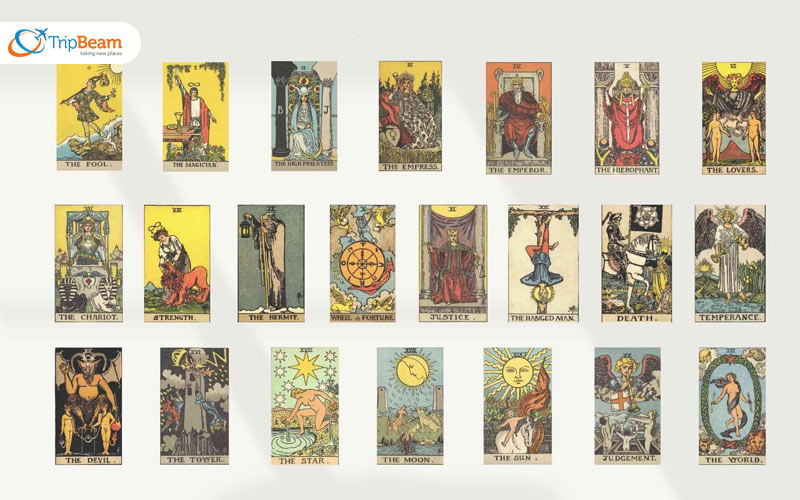
The Major Arcana consists of 22 cards that represent life’s grand themes—from The Fool’s innocence to The World’s completion. Unlike the Knights, which are part of the Minor Arcana, the Major Arcana figures are often static, embodying timeless archetypes. However, their poses and expressions are anything but static in meaning. Artists use composition, lighting, and gesture to convey the essence of each card, from The Magician’s commanding stance to The Hanged Man’s suspended surrender.
Consider The Empress, frequently depicted as a regal figure surrounded by nature, her arms open in invitation. Her pose radiates nurturing abundance, while the lush greenery in the background reinforces her connection to fertility and growth. In contrast, The Hermit is often shown holding a lantern aloft, his body hunched in introspection. The contrast between light and shadow in the artwork mirrors the card’s themes of solitude and inner wisdom. These poses aren’t just aesthetic choices—they’re visual metaphors that deepen the card’s message.
Some Major Arcana cards, like The Chariot, blend movement with symbolism. The charioteer stands triumphantly in a vehicle pulled by two sphinxes (or horses), one black and one white, symbolizing the balance of opposing forces. The charioteer’s upright posture and firm grip on the reins suggest control and determination, but the sphinxes’ opposing directions hint at the constant struggle to reconcile contradictions. This duality is a challenge to the reader: Can you harness opposing energies to move forward, or will they pull you apart?
Poses as Narrative Devices: How Artists Tell Stories
Tarot artists are storytellers, and poses are their most powerful tool. A card’s composition can evoke an entire narrative in a single frame. For instance, The Lovers often depicts two figures in an embrace, but the angle of their bodies—whether they’re turned toward each other or away—can shift the story from harmony to tension. Similarly, The Tower is rarely shown with figures in a neutral stance; instead, they’re often depicted mid-fall, their bodies contorted in shock or surrender, emphasizing the card’s theme of sudden upheaval.
Lighting plays a crucial role in enhancing poses. A figure bathed in golden light might represent enlightenment (e.g., The Sun), while a shadowy silhouette could signify hidden truths (e.g., The Moon). The direction of a figure’s gaze also matters: a downward glance might suggest introspection (The High Priestess), while a piercing stare could denote authority (Justice). These details invite readers to look beyond the surface and consider the emotional subtext of each card.
Challenge yourself: Pick a card you’re familiar with and study its pose. Ask: What emotion does the body language convey? Is the figure active or passive? How does the background complement or contrast with their posture? You might discover layers of meaning you’ve overlooked before.

Pose and Symbolism: Decoding the Unspoken
Symbolism in tarot art isn’t limited to objects like swords or cups—it’s also embedded in how figures are posed. For example, The Death card is often misunderstood due to its name, but its imagery usually shows a skeletal figure on a white horse, sometimes holding a black flag. The horse’s gait and the rider’s posture can vary: a slow, solemn walk suggests transformation, while a swift gallop might imply an abrupt end. The rider’s lack of facial features removes individuality, emphasizing the card’s universal theme of endings and rebirth.
In the Knight of Swords, the figure is often shown charging forward, sword raised, with a determined or even aggressive expression. The angle of the sword—pointing upward or downward—can change the card’s meaning from decisive action to reckless aggression. Similarly, the Queen of Cups might be depicted with one hand on her heart and the other cradling a cup, her posture radiating empathy and emotional depth. These poses serve as shorthand for the card’s core message, allowing readers to quickly grasp its essence.
Artists also use perspective to guide the viewer’s eye. A low-angle shot can make a figure appear larger than life (The Emperor), symbolizing authority, while a high-angle view might diminish a figure, suggesting vulnerability (The Hanged Man). These techniques aren’t just stylistic—they’re intentional tools to shape your interpretation.
Playing with Pose: A Challenge for Tarot Enthusiasts
Ready to put your newfound knowledge to the test? Here’s a playful challenge: Take a blank tarot card template and sketch your own interpretation of a Knight or Major Arcana card. Focus on the pose—will your Knight of Cups be dreamy and relaxed, or will your The Fool be mid-step, teetering on the edge of a cliff? Experiment with body language to convey different emotions or themes. For example, how would you pose The Devil to emphasize temptation versus bondage?
Another exercise is to compare two different artists’ renditions of the same card. How do their poses differ? Does one artist’s The Chariot feel more controlled, while another’s feels chaotic? This comparison can reveal how personal biases and cultural influences shape tarot imagery. You might even find that certain poses resonate with you more than others, hinting at your intuitive connection to the cards.
Remember, there are no “wrong” poses in tarot art—only interpretations. The beauty of tarot lies in its subjectivity, and the poses are a gateway to exploring that subjectivity. Whether you’re drawn to the fiery energy of a Knight or the quiet wisdom of a Major Arcana figure, let the poses guide you to deeper insights.
Conclusion: The Power of Pose in Tarot Art
The Knight cards and Major Arcana art are more than just illustrations—they’re visual narratives that breathe life into tarot’s symbolic language. Through poses, artists convey movement, emotion, and meaning, inviting readers to engage with the cards on a deeper level. Whether it’s the relentless charge of the Knight of Wands or the serene stillness of The Star, each pose tells a story waiting to be interpreted.
As you continue your tarot journey, pay close attention to the poses in your deck. Notice how a slight tilt of the head or the direction of a gaze can shift the card’s energy. Challenge yourself to see beyond the obvious symbols and into the unspoken language of the figures. In doing so, you’ll unlock new dimensions of meaning and perhaps even discover your own unique connection to the tarot’s rich visual tapestry.
So next time you draw a card, ask yourself: What is this figure doing? What are they feeling? And most importantly—what story are they telling?
FAQ
What do Knight Cards represent in tarot?
Knight Cards symbolize movement, energy, and action, each embodying different facets of ambition and pursuit.
How do poses influence tarot interpretation?
Poses in tarot art serve as narrative devices, conveying emotions and themes that enhance the card’s meaning.
FAQ
What do Knight Cards represent in tarot?
Knight Cards symbolize movement, energy, and action, each embodying different facets of ambition and pursuit.
How do poses influence tarot interpretation?
Poses in tarot art serve as narrative devices, conveying emotions and themes that enhance the card’s meaning.
Leave a Reply