Short Answer
Welcome to this in-depth exploration of the Number 15 Tarot card, The Devil. In this guide, you’ll uncover the layers of meaning behind this often-misunderstood card, understand why it fascinates so many, and learn how to interpret its messages in readings. Whether you’re a seasoned tarot reader or a curious beginner, this article will illuminate the shadowy depths of The Devil and reveal the truths it holds about freedom, bondage, and self-awareness.
The Devil in Tarot: More Than Just a Card of Fear
The Devil is the 15th card in the Major Arcana and represents the shadow self, temptation, and the chains we place upon ourselves. Unlike popular depictions of evil, The Devil in tarot isn’t about external forces—it’s about the internal cages we build. This card often appears when you’re feeling trapped, whether by habits, relationships, or limiting beliefs. It’s a wake-up call to examine what’s truly holding you back.
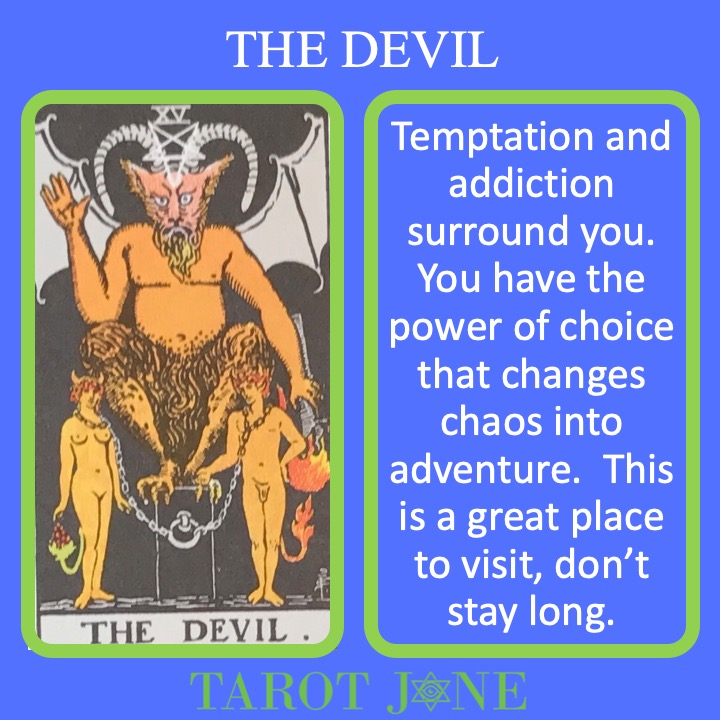
Many people associate The Devil with fear or negativity, but its power lies in its ability to expose illusions. The card’s imagery—often featuring a horned figure with chained figures at its feet—symbolizes how we become enslaved by our desires, addictions, or unhealthy attachments. The chains are loose, suggesting that the captivity is often self-imposed and can be broken with awareness.
Why The Devil Fascinates Us: The Allure of the Shadow
The Devil’s magnetic pull lies in its raw honesty. It doesn’t sugarcoat reality; instead, it forces us to confront the parts of ourselves we’d rather ignore. This card resonates deeply because it reflects universal human experiences: addiction, codependency, materialism, and the struggle for self-mastery. The fascination isn’t just about fear—it’s about recognition. When The Devil appears, it’s often because we’re already aware of the chains we carry, even if we haven’t admitted it yet.
Another reason for its intrigue is the card’s duality. The Devil can represent both the oppressor and the oppressed. The figures chained to the throne are often depicted as human-like, suggesting that they’re not victims but willing participants in their own bondage. This duality makes The Devil a mirror—it reflects back to us the choices we make, the excuses we tell ourselves, and the illusions we cling to.
Breaking Down The Devil’s Symbolism
The imagery of The Devil is rich with symbolism, each element offering clues to its deeper meaning. The horned figure, often resembling Baphomet or Pan, represents primal instincts, raw power, and the untamed aspects of the self. The torch it holds aloft is a double-edged symbol—it can illuminate the path to freedom or burn away illusions, depending on how we interpret it.
The chained figures at its feet are crucial. They appear to be human but have the tails of goats or other animals, hinting at their lower, instinctual nature. The chains are loose, symbolizing that the captivity is an illusion. This is a powerful reminder that the only thing keeping us in bondage is our own perception. The figures’ postures—often slumped or resigned—suggest resignation to their fate, but the looseness of the chains implies that escape is always possible.
The inverted pentagram on the figure’s forehead is another layer of symbolism. While often misinterpreted as a sign of evil, in this context, it represents the material world and the physical body. It’s a reminder that our struggles are rooted in the tangible, not the supernatural. The Devil isn’t an external force; it’s a reflection of our earthly attachments and desires.

Common Scenarios Where The Devil Appears
The Devil often surfaces in readings when you’re facing situations that test your self-control or expose unhealthy patterns. Here are some common scenarios where this card might appear:
- Addiction: Whether it’s substance abuse, gambling, or even toxic relationships, The Devil signals a struggle with compulsive behaviors. It’s a call to recognize the hold these habits have on you and take steps toward liberation.
- Codependency: If you’re in a relationship where you feel trapped or constantly sacrificing your needs for others, The Devil is asking you to examine why you’re staying. Are you afraid of being alone, or do you believe you’re unworthy of better?
- Materialism: Obsession with wealth, status, or possessions can also manifest as The Devil. This card warns against letting material desires dictate your happiness and values.
- Self-Sabotage: Sometimes, The Devil appears when you’re your own worst enemy. Procrastination, negative self-talk, or self-destructive patterns can all be signs of the chains you’ve forged yourself.
In these situations, The Devil isn’t there to judge—it’s there to awaken you. It’s a sign that you’re ready to confront the shadows and reclaim your power.
How to Interpret The Devil in a Reading
When The Devil appears in a tarot spread, its meaning depends on the context of the question and the surrounding cards. Here’s how to interpret it in different scenarios:
- Past Position: If The Devil is in the past position, it suggests that you’ve recently overcome or are currently dealing with a period of bondage. Reflect on what lessons you’ve learned and how you’ve grown from the experience.
- Present Position: In the present position, The Devil is a clear indicator that you’re feeling trapped or controlled by something or someone. It’s time to ask yourself: What am I clinging to that’s no longer serving me? What illusions am I holding onto?
- Future Position: If The Devil appears in the future position, it can be a warning or a challenge. It may indicate that if you don’t address your current patterns, you could find yourself in a more restrictive situation later. Alternatively, it could suggest that you’re on the verge of breaking free from a cycle.
- Advice Position: When The Devil appears as advice, the message is clear: confront your shadows. This might mean setting boundaries, seeking help for an addiction, or simply being honest with yourself about your motivations.
Remember, The Devil is rarely a card of permanent doom. It’s a catalyst for change, urging you to shed what no longer serves you and step into your power.
Overcoming the Chains: Practical Steps to Liberation
So, how do you break free from the illusions The Devil represents? The first step is awareness. Acknowledge the chains you’ve created and the excuses you’ve made. Ask yourself:
- What am I afraid of losing if I let go of this habit or relationship?
- What story am I telling myself that keeps me stuck?
- What would my life look like if I were truly free?
Next, take action. The Devil thrives in inaction and denial, so the antidote is movement. If you’re struggling with addiction, seek support. If you’re in a toxic relationship, set boundaries or walk away. If you’re consumed by materialism, practice gratitude for what you already have. Small steps can lead to big changes.
Finally, cultivate self-compassion. Breaking free from self-imposed chains isn’t easy, and setbacks are part of the process. The Devil teaches that liberation is a journey, not a destination. Celebrate your progress, no matter how small, and remember that every step forward is a step away from the cage.
Conclusion: The Devil as a Guide, Not a Judge
The Number 15 Tarot card, The Devil, is one of the most misunderstood cards in the deck, but its power lies in its ability to reveal uncomfortable truths. It’s not a card of eternal damnation—it’s a card of awakening. When The Devil appears, it’s an invitation to look closely at the chains you’ve forged and the illusions you’ve embraced. It’s a reminder that freedom is always within reach, even when it feels impossible.
By confronting The Devil with honesty and courage, you transform it from a symbol of fear into a guide for liberation. Whether it’s breaking free from addiction, setting boundaries in relationships, or shedding limiting beliefs, The Devil’s message is clear: you are not your chains. You are the one who forged them, and you are the one who can break them.
So the next time The Devil appears in your reading, don’t shy away. Lean in. Ask yourself what it’s trying to show you. And remember—every cage has a door. The question is, are you ready to walk through it?
FAQ
What does the Number 15 Tarot card represent?
The Number 15 Tarot card, The Devil, represents the shadow self, temptation, and the chains we place upon ourselves, often highlighting issues of bondage and self-awareness.
How should I interpret The Devil in a tarot reading?
Interpretations of The Devil depend on its position in the spread, indicating feelings of being trapped, challenges with self-control, or a call to confront one’s shadows.

Leave a Reply