Short Answer
Ever wondered what your subconscious is whispering to you? The Symbolon Tarot deck offers a playful yet profound way to uncover hidden emotions, desires, and challenges lurking beneath the surface. In this guide, you’ll explore how this unique deck bridges the gap between intuition and symbolism, turning abstract feelings into tangible card images. Whether you’re a seasoned tarot reader or a curious beginner, you’ll discover how to interpret poses, symbols, and card arrangements to reveal what your mind might be trying to hide. By the end, you’ll have the tools to ask deeper questions and embrace the playful challenge of decoding your subconscious through tarot.
What Is the Symbolon Tarot Deck?
The Symbolon Tarot is a modern deck designed to tap into the subconscious through vivid imagery and symbolic storytelling. Unlike traditional tarot decks, Symbolon emphasizes emotional depth and psychological insight, making it ideal for those seeking to explore their inner world. Each card is crafted with rich symbolism—poses, colors, and objects—that reflect universal human experiences, from joy and love to fear and uncertainty. The deck consists of 78 cards, divided into Major and Minor Arcana, each telling a part of your subconscious narrative. By engaging with these cards, you invite a dialogue between your conscious mind and the hidden layers of your psyche.
How Symbolon Tarot Reveals Your Subconscious
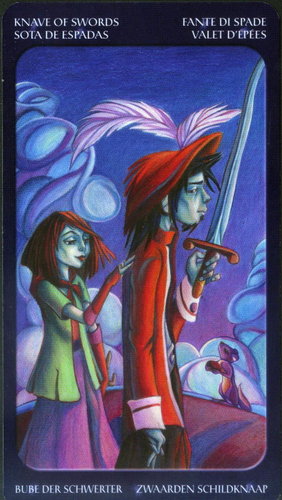
Tarot acts as a mirror, reflecting the unspoken thoughts and emotions that shape your decisions. The Symbolon Tarot takes this a step further by focusing on poses and body language within the cards. For example, a figure with crossed arms might indicate defensiveness or unresolved conflict, while an open posture could suggest vulnerability or readiness for change. These visual cues serve as entry points to explore your subconscious patterns. When you pull a card, pay attention not just to the symbols but to the emotions it evokes. Does it resonate with a recent experience? Does it challenge a belief you hold about yourself? The deck encourages you to ask, “What is this card trying to tell me about my hidden self?”
Decoding Poses: The Language of the Subconscious
Poses in the Symbolon Tarot are deliberate tools for self-reflection. They communicate what words cannot. Consider the following examples:
- Defensive Stance: A card showing a figure shielding themselves with an arm or object may highlight avoidance or self-protection. Ask yourself: What am I trying to guard against in my life?
- Reaching Out: A card depicting a hand extended toward another or an object could symbolize a desire for connection or a fear of rejection. Reflect on your relationships—are you giving enough or holding back?
- Isolation: A lone figure in a card might represent feelings of loneliness or self-imposed solitude. Explore whether this reflects a current emotional state or a long-standing pattern.
By interpreting these poses, you transform abstract emotions into actionable insights. The deck invites you to play a game of “guess the feeling” with yourself, turning introspection into an engaging challenge.
Key Symbols in Symbolon Tarot and Their Meanings
The Symbolon Tarot is rich with symbols that act as shortcuts to your subconscious. Here are some of the most powerful ones to watch for:
- Water: Often represents emotions, intuition, and the flow of life. Murky water may signal confusion, while calm water suggests clarity.
- Mirrors: Symbolize self-reflection and the need to confront hidden truths. A card with a mirror might urge you to examine your self-perception.
- Doors and Paths: Indicate transitions, opportunities, or barriers. A closed door could reflect a fear of change, while an open one suggests readiness to move forward.
- Animals: Each animal carries archetypal energy. A snake might represent transformation, while a bird could symbolize freedom or aspiration.
When a card appears, note which symbols stand out. Do they align with your current life situation? Do they challenge or comfort you? These symbols are your subconscious’s way of speaking in a language you can understand.
How to Use Symbolon Tarot for Self-Discovery
Using the Symbolon Tarot for self-discovery is a dynamic process. Start by setting an intention—perhaps to uncover a hidden emotion or gain clarity on a challenge. Shuffle the deck while focusing on your question, then pull a card (or multiple cards for a spread). Here’s a simple three-card spread to begin:
- Card 1 (Past): What subconscious emotion or experience has shaped my current situation?
- Card 2 (Present): What emotion or challenge am I currently avoiding?
- Card 3 (Future): What will happen if I continue to ignore this subconscious message?
After drawing your cards, journal your reactions. Don’t overthink it—let your first impressions guide you. The goal isn’t to predict the future but to spark a conversation with your inner self. Over time, you’ll notice patterns that reveal deeper truths about your motivations and fears.
The Playful Challenge: Can You Outsmart Your Subconscious?
The Symbolon Tarot isn’t just a tool for reflection—it’s a game. The deck invites you to play with your subconscious, turning introspection into an adventure. Try this challenge: Pull a card each morning and spend 5 minutes interpreting it in the context of your day. Notice how the card’s message subtly influences your decisions or moods. You might find that the subconscious speaks in riddles, but with practice, you’ll start to recognize its patterns. The more you engage, the more you’ll realize that your subconscious isn’t trying to trick you—it’s trying to guide you.
Common Misconceptions About Symbolon Tarot
Many people hesitate to use tarot for self-discovery due to misconceptions. Here are a few to dispel:
- “Tarot predicts the future.” The Symbolon Tarot is a tool for insight, not fortune-telling. It highlights potential paths and emotions, not fixed outcomes.
- “You need to be psychic to use it.” Tarot is about intuition, not supernatural abilities. Anyone can learn to interpret the cards with practice.
- “The cards are just random images.” Each symbol and pose in the Symbolon Tarot is carefully chosen to evoke specific emotions and thoughts. There’s meaning in every detail.
Conclusion
The Symbolon Tarot deck is more than a collection of cards—it’s a gateway to your subconscious. By exploring poses, symbols, and emotional cues, you unlock a playful yet profound way to understand yourself on a deeper level. Whether you’re seeking clarity, confronting hidden fears, or simply curious about your inner world, this deck offers a unique path to self-discovery. Embrace the challenge of decoding your subconscious, and you’ll find that the answers you seek have been within you all along. Start your journey today, and let the cards guide you to the emotions and truths waiting to be uncovered.
FAQ
What is the Symbolon Tarot deck?
The Symbolon Tarot deck is a modern tarot deck designed to explore the subconscious through rich imagery and symbolism.
How can I use Symbolon Tarot for self-discovery?
You can use the Symbolon Tarot for self-discovery by setting intentions, pulling cards, and journaling your reactions to the insights received.
What are common misconceptions about Tarot?
Common misconceptions include beliefs that Tarot predicts the future, requires psychic abilities, or consists of random images.
Leave a Reply