Short Answer
Welcome to a deep exploration of the Tarot’s most dramatic and thought-provoking card: Number 16 – The Tower. In this guide, you will uncover the rich symbolism, historical roots, psychological depth, and modern interpretations of this powerful archetype. Whether you’re a seasoned Tarot reader or a curious newcomer, prepare to see The Tower not just as a card of destruction, but as a catalyst for transformation, clarity, and rebirth. By the end, you’ll understand why The Tower remains one of the most compelling and widely recognized symbols in the Tarot deck.
The Tower in the Tarot: A Card of Sudden Change and Revelation
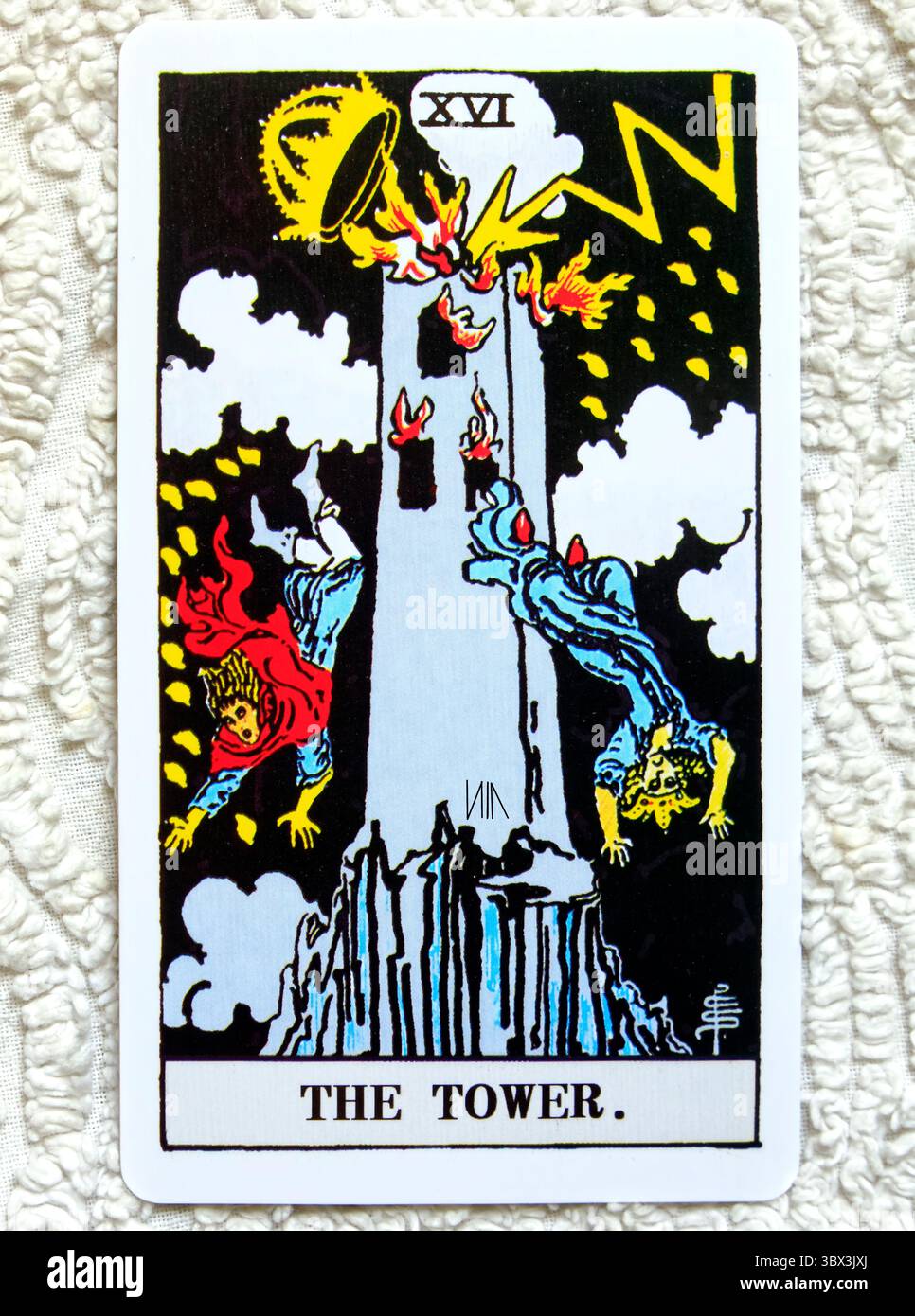
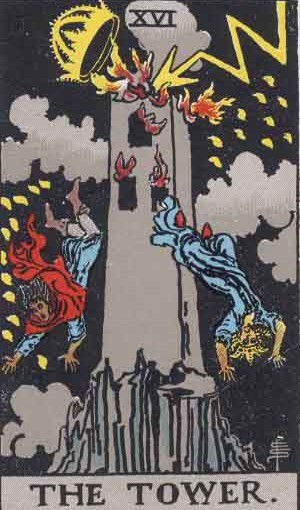
The Tower is the sixteenth card in the Major Arcana, positioned between The Devil and The Star, symbolizing a pivotal moment of upheaval that clears the way for renewal. Unlike the gradual shifts of other cards, The Tower represents sudden, often unexpected disruption—an earthquake that shatters illusions and forces us to confront reality. This card is not about gentle evolution; it’s about the violent collapse of what no longer serves us. In its imagery, we typically see a tall stone tower being struck by lightning, with two figures plummeting from its heights. The flames at the top and the falling crown emphasize the destruction of false power and ego-based structures.
At its core, The Tower teaches that what we build on unstable foundations will eventually fall. It challenges us to examine our beliefs, institutions, and personal habits that may be rooted in fear or delusion. While the experience can be shocking or painful, The Tower’s message is ultimately liberating: true growth often begins when everything we thought we knew is stripped away.
Symbolism and Imagery: Decoding the Visual Language
The Tower’s visual language is rich with metaphor. The lightning bolt, often depicted as a divine or cosmic force, represents sudden insight or a wake-up call from the universe. It strikes without warning, much like life’s most unforeseen challenges. The crumbling tower itself symbolizes rigid structures—whether mental, societal, or personal—that have become outdated or oppressive. The falling figures are not victims, but souls being released from confinement, their arms outstretched in surrender rather than struggle.
Many modern decks reinterpret The Tower with unique artistic twists. Some show the tower as a modern skyscraper, others as an ancient ruin, or even a digital server crashing. These variations highlight the card’s universal relevance—it can represent a career collapse, a relationship ending, a spiritual awakening, or even a technological breakdown. The flames at the top often signify purification, burning away what is no longer needed to make space for something new.
Historical Roots: From Medieval Towers to Modern Tarot
The Tower’s imagery traces back to medieval European art and architecture, where tall towers often represented human arrogance or the futility of defying divine will. In the 15th-century Visconti-Sforza deck, one of the earliest known Tarot decks, The Tower is depicted as a burning castle, reinforcing the theme of sudden downfall. Later decks, such as the Rider-Waite Tarot (1909), solidified its modern form, with the lightning bolt and falling figures becoming iconic.
Over centuries, The Tower has been interpreted through religious, psychological, and philosophical lenses. Some see it as a Christian allegory of pride leading to downfall, while others view it through the lens of Jungian psychology—as the moment when the shadow self is exposed, forcing integration. In alchemical traditions, The Tower represents the nigredo, the blackening or dissolution phase that precedes transformation. These diverse interpretations only deepen the card’s resonance across cultures and eras.
Psychological and Emotional Impact: Why The Tower Feels So Intense
Few Tarot cards evoke as strong a reaction as The Tower. Its energy is raw, unsettling, and deeply personal. Psychologically, it mirrors the experience of cognitive dissonance—the discomfort of holding two conflicting beliefs at once. When The Tower appears in a reading, it often signals a moment when reality clashes with illusion. This could be a sudden job loss, a betrayal, a health crisis, or even an unexpected spiritual awakening that dismantles old worldviews.
The emotional response to The Tower can range from fear and resistance to awe and liberation. Those who resist the card’s message may cling to denial, trying to rebuild the tower despite its cracks. But those who accept its wisdom often report a profound sense of release. The Tower doesn’t just destroy—it reveals. It strips away the non-essential, leaving behind only what is true and enduring. In this way, it mirrors the process of healing through trauma, where breaking down becomes the first step toward rebuilding with greater strength.
In Readings: How to Interpret The Tower in Different Contexts
The Tower’s meaning shifts depending on its position in a spread and the surrounding cards. In a past position, it may indicate a recent upheaval that reshaped your life. In the present, it suggests an unavoidable crisis or revelation. In the future, it can warn of impending change or reassure that even the most destabilizing events lead to growth.
When paired with The Fool, The Tower signals a naive belief system about to be shattered. With The Star, it foreshadows renewal after destruction. With The Devil, it reveals toxic attachments that must be severed. A reversed Tower may indicate resistance to change, delayed consequences, or a fear of facing the truth. However, even reversed, The Tower urges introspection—what are you afraid to let go of?
The Tower in Modern Culture: From Myth to Memes
Beyond the Tarot table, The Tower has permeated modern culture in surprising ways. It appears in literature as a metaphor for societal collapse (e.g., in dystopian novels) and in film as a symbol of irreversible change (think of the climax in The Dark Knight or Parasite). Even in internet culture, The Tower memes—often depicting crumbling buildings or failed plans—capture the universal experience of sudden failure followed by dark humor and resilience.
This cultural ubiquity speaks to The Tower’s timeless relevance. In an era of rapid technological disruption, political upheaval, and personal reinvention, the card’s message resonates more than ever. It reminds us that collapse is not the end, but a necessary step in the cycle of creation and destruction that defines human progress.
Embracing The Tower’s Power: Practical Insights for Transformation
So how do we work with The Tower’s energy rather than resist it? First, acknowledge that disruption is not punishment—it’s evolution in action. When faced with a Tower moment, pause and ask: What illusion am I being forced to see? Journaling, meditation, or creative expression can help process the emotions that arise. Surround yourself with supportive people who honor your process without rushing you to “get over it.”
Use The Tower as a catalyst for reinvention. After the dust settles, ask: What do I want to rebuild—and how can it be stronger this time? This card doesn’t just destroy; it clears the path for structures built on truth, authenticity, and purpose. Whether it’s a career pivot, a relationship reevaluation, or a spiritual awakening, The Tower invites you to rise from the rubble with clarity and courage.
Conclusion: The Tower as a Gateway to Authentic Living
Number 16 – The Tower is more than a card of destruction; it is a sacred force of transformation. It dismantles the false to reveal the true, shatters the ego to strengthen the soul, and breaks the chains of stagnation to make way for freedom. While its appearance can feel like a storm, remember that storms clear the air and nourish the earth. The Tower’s lesson is clear: what seems like an ending is often the beginning of something far greater.
Next time The Tower appears in your life—or in a reading—lean into its energy. Let it strip away what no longer serves you. Trust that the fall is not a failure, but a flight toward a more authentic existence. For in the ruins of what was, new possibilities rise—stronger, wiser, and more aligned with your highest self.
FAQ
What does The Tower card represent?
The Tower card represents sudden change, upheaval, and revelation, often indicating a collapse of long-held beliefs.
How should I interpret The Tower in a tarot reading?
Interpret The Tower in the context of surrounding cards; it can signify necessary destruction for growth or a warning of impending change.
Leave a Reply