Short Answer
Welcome to your comprehensive guide on Obstacle Tarot—the card blocking you. Whether you’re a seasoned tarot reader or just beginning your journey, understanding how obstacles manifest in your readings can provide profound clarity and guidance. In this guide, you’ll explore what Obstacle Tarot means, how to interpret blocked cards, and practical ways to work with these messages. You’ll also discover different types of content that can deepen your understanding, from visual interpretations to practical readings. By the end, you’ll feel empowered to turn challenges into opportunities and navigate your path with confidence.
What Is Obstacle Tarot and Why Does It Matter?
Obstacle Tarot refers to cards in a reading that indicate blockages, delays, or challenges standing in your way. These aren’t just negative cards—they’re messages pointing to areas where growth is needed or where external or internal forces are resisting progress. Recognizing these cards helps you understand what’s holding you back, whether it’s fear, miscommunication, or unforeseen circumstances. Instead of seeing them as setbacks, Obstacle Tarot cards invite you to pause, reflect, and strategize. They often appear when you’re about to embark on a new phase but need to address unresolved issues first. By acknowledging these blocks, you can take proactive steps to clear them and move forward with greater awareness.
Types of Obstacle Tarot Cards and Their Meanings
Not all Obstacle Tarot cards are the same. Some represent external challenges, while others reflect internal struggles. For example, the Five of Swords might signal conflict or competition blocking your path, while the Eight of Cups could indicate emotional avoidance or a need to walk away from a draining situation. Other common obstacle cards include the Three of Swords (heartbreak or betrayal), the Seven of Pentacles (waiting for results), and the Knight of Wands reversed (impetuousness leading to setbacks). Each card carries a unique message, and learning to interpret them in context is key. Pay attention to the card’s imagery, element, and surrounding cards to uncover deeper insights about the nature of your obstacle.
How to Interpret Blocked Tarot Cards in a Reading
Interpreting blocked Tarot cards requires a blend of intuition and structure. Start by noting the card’s position in the spread—is it in the past, present, or future position? A blocked card in the past might suggest a lingering issue, while one in the future could warn of an upcoming challenge. Next, examine the card’s symbolism. For instance, a reversed card often indicates internal resistance, while a blocked card in a positive position might signal a necessary pause. Ask yourself: What is this card trying to tell me? Is it about timing, mindset, or external circumstances? Journaling your thoughts can help clarify the message. Finally, consider the card’s traditional meanings alongside your personal associations to create a nuanced interpretation.
Visual Guides: Understanding Obstacle Tarot Through Imagery
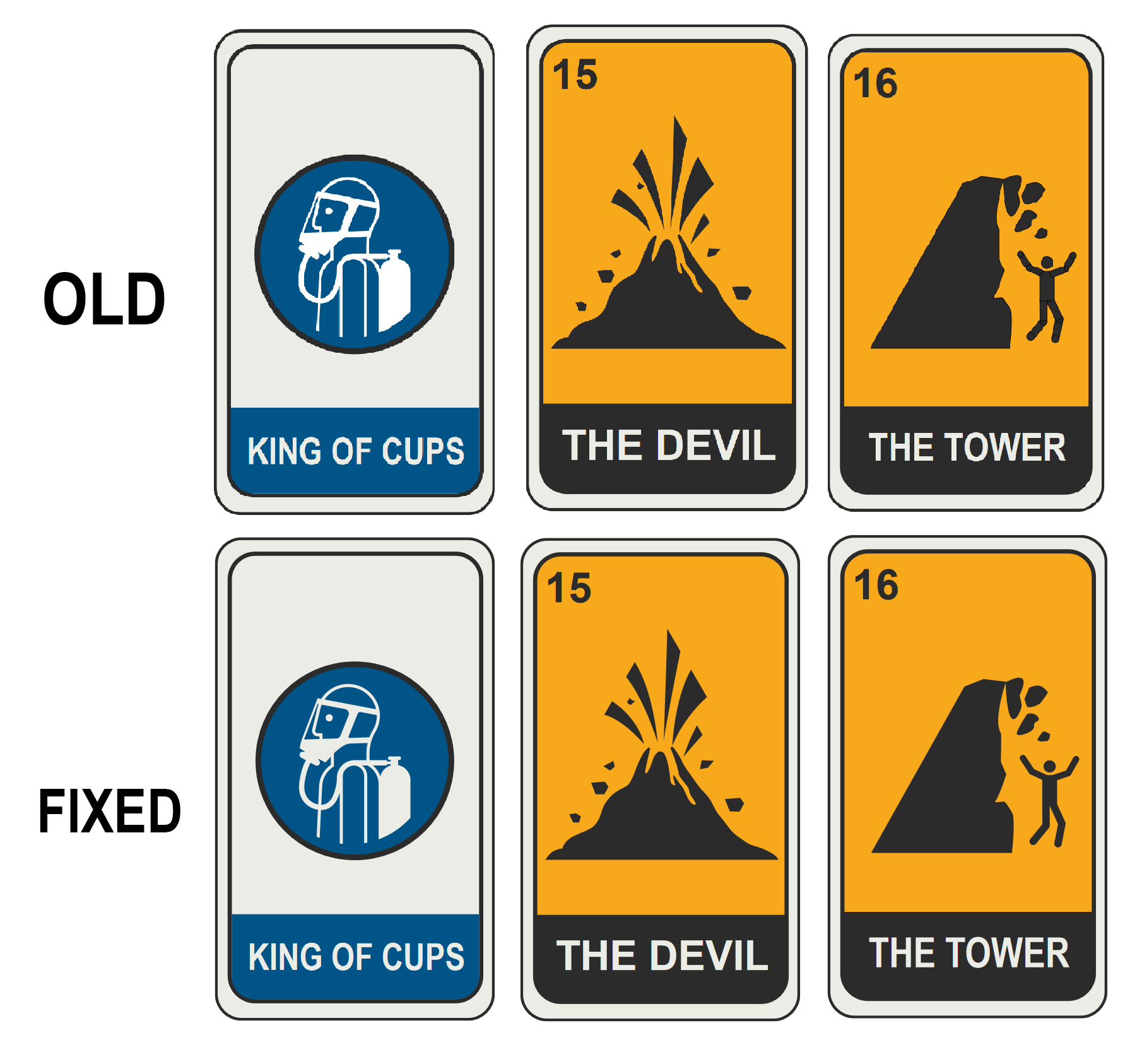
Visual guides are invaluable for grasping the nuances of Obstacle Tarot. Images often convey emotions and themes more vividly than words alone. For example, a card showing a figure struggling to climb a mountain might represent perseverance despite obstacles, while a card depicting a closed door could symbolize missed opportunities or resistance. Many tarot decks, like the Hazard Tarot, emphasize visual storytelling to highlight challenges and their resolutions. Studying these images can deepen your connection to the cards and reveal layers of meaning you might otherwise overlook. Use these visuals as a starting point, then layer in your intuition and traditional interpretations for a richer understanding.
Practical Obstacle Tarot Readings: Step-by-Step Guide
Performing an Obstacle Tarot reading is a practical way to identify and address blockages. Begin by formulating a clear question, such as “What’s the main obstacle standing in my way right now?” or “How can I overcome the challenge I’m facing?” Shuffle your deck while focusing on the question, then lay out the cards in a spread that resonates with your query—three cards (past, present, future) work well for simplicity. After drawing the cards, analyze each one’s role in the obstacle. For instance, if the first card is the Tower, it might indicate a sudden disruption requiring you to rebuild. The second card, say the Four of Cups, could show emotional withdrawal contributing to the block. Finally, the third card, like the Six of Wands, might offer hope for overcoming the challenge. Use this insight to brainstorm actionable steps, such as seeking support or adjusting your approach.
Common Obstacles and How Tarot Cards Reflect Them
Certain obstacles appear frequently in readings, and tarot cards can mirror these patterns. For example, procrastination might be represented by the Knight of Cups reversed, while self-doubt could align with the Hermit. External obstacles like financial struggles often resonate with the Five of Pentacles, while relationship blocks might show up as the Two of Swords (indecision) or the Ten of Swords (painful endings). By familiarizing yourself with these common pairings, you can quickly identify the nature of your obstacle and tailor your response. Keep a journal of your readings to track recurring themes and notice how your challenges evolve over time. This practice not only sharpens your interpretive skills but also helps you recognize when an obstacle is recurring due to unresolved patterns.
Tools and Resources for Deeper Obstacle Tarot Study
To deepen your understanding of Obstacle Tarot, explore a variety of tools and resources. Books like “Tarot for Your Self” by Mary K. Greer offer exercises to work with challenging cards, while decks like the Wild Unknown or the Light Seer’s Tarot emphasize intuitive interpretations of obstacles. Online communities, such as tarot forums or Instagram accounts dedicated to shadow work, can provide diverse perspectives. You might also try guided meditations or journal prompts focused on blocked cards. For example, after pulling an obstacle card, spend five minutes visualizing yourself addressing the challenge, then write about the emotions and insights that arise. These practices foster a more holistic approach to tarot and help you integrate the messages into your daily life.
Turning Obstacles into Opportunities: Actionable Tips
Obstacle Tarot cards aren’t just warnings—they’re invitations to grow. Once you’ve identified the block, brainstorm ways to reframe it as an opportunity. For instance, if the Eight of Swords appears, it might suggest feeling trapped by limiting beliefs. Instead of seeing this as a dead end, use it as a prompt to question those beliefs and explore new perspectives. Similarly, the Nine of Wands could indicate burnout, signaling a need to set boundaries or prioritize self-care. Take small, consistent actions based on the card’s message, such as having a difficult conversation, seeking mentorship, or practicing patience. Remember, the goal isn’t to eliminate obstacles entirely but to navigate them with greater resilience and wisdom.
Conclusion
Obstacle Tarot is a powerful tool for self-awareness and growth. By learning to interpret blocked cards, you gain clarity on what’s holding you back and how to address it. Whether through visual guides, practical readings, or reflective journaling, each method offers a unique path to understanding your challenges. Embrace these messages as opportunities to evolve, and trust that every obstacle is a stepping stone toward a stronger, more aligned version of yourself. As you continue your tarot journey, let Obstacle Tarot be your guide—not as a barrier, but as a beacon illuminating the way forward.
FAQ
What does Obstacle Tarot mean?
Obstacle Tarot refers to cards in a reading that signify blockages, challenges, or delays that need attention for personal growth and progress.
How do I interpret blocked cards in a tarot spread?
Interpret blocked cards by considering their position in the spread, symbolism, whether they are reversed, and the context of surrounding cards.
Can obstacle cards be positive?
Yes, obstacle cards are not purely negative; they invite reflection and offer opportunities to overcome challenges and grow.
What are common tarot cards that symbolize obstacles?
Common obstacle cards include the Five of Swords, Three of Swords, Seven of Pentacles, Knight of Wands reversed, and the Two of Swords, among others.
How can I work with obstacle cards effectively?
You can work with obstacle cards by journaling, meditating, reframing blocks as growth opportunities, and using focused tarot spreads to gain clarity.
Leave a Reply