Short Answer
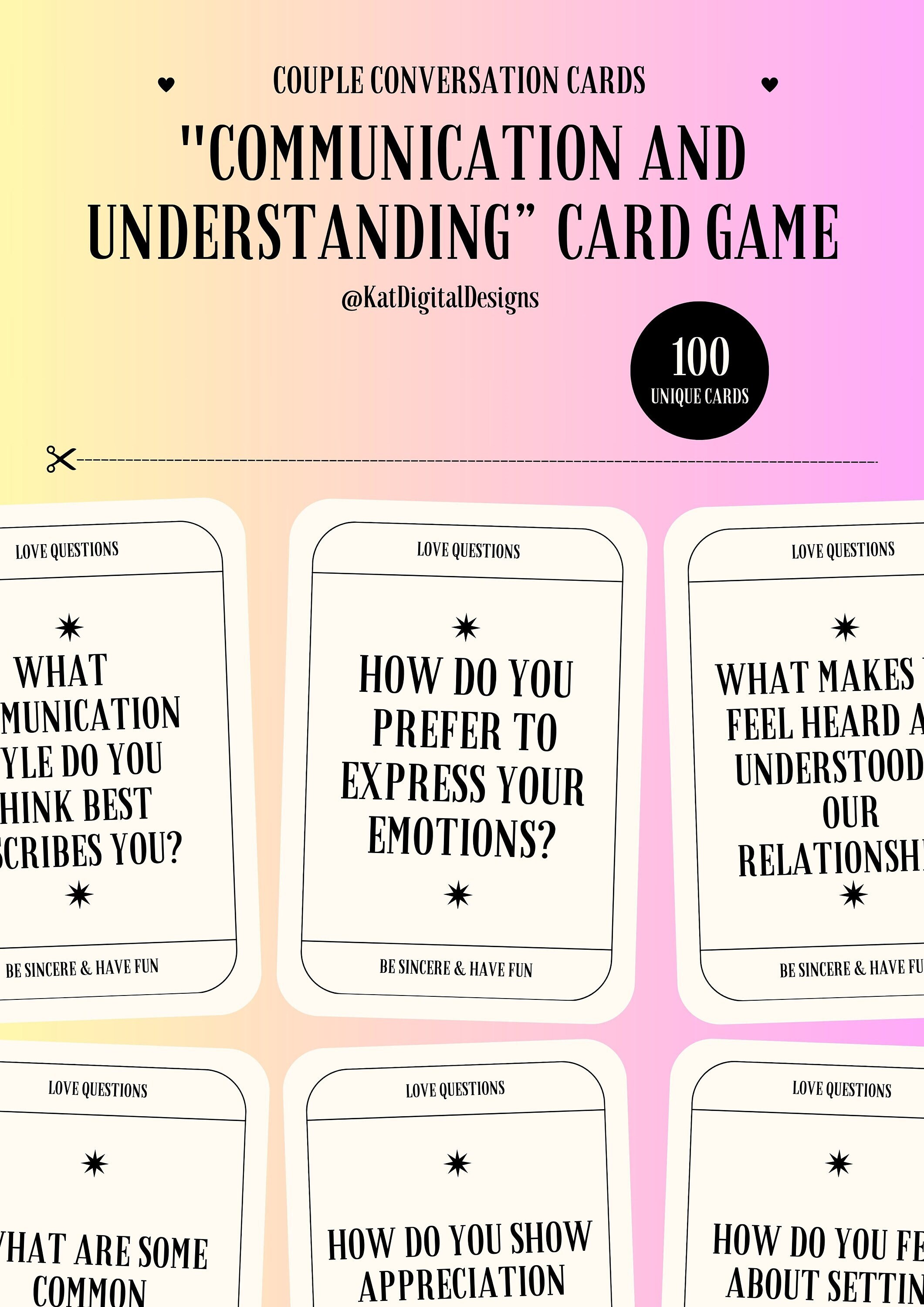
Welcome to a comprehensive guide on “Placement to Each Other – How Cards Talk.” This article explores the fascinating world of communication and understanding through card games designed for couples. Whether you’re looking to strengthen your relationship, improve communication skills, or simply enjoy quality time together, these card-based tools offer a unique and engaging approach. Read on to discover the different types of content you can expect, how these cards function, and the benefits they bring to relationships.
Understanding the Concept of Communication Cards for Couples
Communication cards for couples are designed to facilitate meaningful conversations, deepen emotional connections, and foster understanding between partners. These cards typically contain prompts, questions, or scenarios that encourage open and honest dialogue. By using cards as a structured tool, couples can navigate sensitive topics, express feelings, and explore new perspectives in a safe and non-judgmental environment. The physical act of drawing a card and responding to it can also add a playful element to serious conversations, making the process less daunting and more enjoyable.
The cards often come in sets that cover a wide range of topics, from daily life and shared goals to deeper emotional or relational issues. For example, some cards may ask about personal dreams and aspirations, while others might focus on resolving conflicts or appreciating each other’s strengths. The versatility of these cards makes them suitable for couples at any stage of their relationship, whether they are dating, engaged, or married.
Types of Content in Couples Communication Card Games
Couples communication card games vary widely in their content and focus. Below are some common types of content you can expect to find in these card sets:
1. Conversation Starters
These cards are designed to spark meaningful discussions between partners. They often include open-ended questions that encourage partners to share their thoughts, feelings, and experiences. For example, a card might ask, “What is one thing you appreciate about our relationship this week?” or “Describe a moment when you felt most connected to me.” These prompts help couples reflect on their relationship and identify areas of strength and growth.
2. Conflict Resolution Cards
Conflict resolution cards provide structured guidance for addressing disagreements in a healthy and productive manner. These cards may include prompts like, “What is the main issue we are disagreeing about?” or “How can we find a compromise that works for both of us?” By using these cards, couples can practice active listening, empathy, and problem-solving skills, which are essential for resolving conflicts constructively.
3. Intimacy and Connection Cards
Intimacy and connection cards focus on deepening emotional and physical bonds between partners. They may include questions about desires, boundaries, or shared experiences that foster closeness. For example, a card might ask, “What is one way we can prioritize intimacy in our relationship this month?” or “Share a memory that made you feel deeply loved by me.” These cards help couples nurture their emotional and physical connection in a thoughtful and intentional way.
4. Fun and Playful Cards
Not all communication cards are serious! Fun and playful cards add a lighthearted element to couples’ interactions. These might include silly challenges, inside jokes, or lighthearted prompts designed to bring laughter and joy to the relationship. For example, a card might ask, “Do a silly dance together” or “Plan a surprise date night for each other.” These cards help couples maintain a sense of playfulness and fun, which is crucial for long-term relationship satisfaction.

5. Goal-Setting and Future Planning Cards
These cards help couples align their visions for the future and set shared goals. They may include prompts like, “Where do you see us in five years?” or “What is one personal goal you’d like to achieve this year, and how can I support you?” By discussing these topics, couples can ensure they are on the same page about their priorities, values, and aspirations, which strengthens their partnership.
How to Use Couples Communication Cards Effectively
To get the most out of couples communication cards, it’s important to use them in a way that fosters openness, respect, and active listening. Here are some tips for using these cards effectively:
1. Set the Right Environment
Choose a quiet, comfortable space where you and your partner can focus without distractions. This could be a cozy corner of your home, a park bench, or even a coffee shop. The key is to create an environment where both of you feel relaxed and ready to engage in meaningful conversation.
2. Establish Ground Rules
Before starting, agree on some ground rules to ensure the conversation remains respectful and productive. For example, you might decide to take turns speaking without interrupting, avoid judgment, and focus on listening rather than just responding. These rules help create a safe space for both partners to express themselves honestly.
3. Take Turns Drawing and Responding
Shuffle the deck and take turns drawing cards. Read the prompt aloud and give each other time to think before responding. This approach ensures that both partners have an equal opportunity to share their thoughts and feelings. It also prevents one partner from dominating the conversation.
4. Practice Active Listening
Active listening involves fully engaging with what your partner is saying, rather than just waiting for your turn to speak. Show empathy by nodding, maintaining eye contact, and summarizing what your partner has shared. This validates their feelings and encourages them to open up further.
5. Reflect and Follow Up
After the conversation, take a moment to reflect on what was discussed. You might identify key takeaways, areas where you agree, or topics that need further exploration. Follow up on any action items or commitments made during the conversation to show your partner that you value their input and are committed to growth.
Benefits of Using Communication Cards for Couples
Incorporating communication cards into your relationship can offer numerous benefits, including:
- Improved Communication: These cards provide structured prompts that help couples express themselves more clearly and listen more attentively.
- Deeper Emotional Connection: By discussing meaningful topics, couples can strengthen their emotional bond and feel more connected to each other.
- Conflict Resolution Skills: The cards offer guidance on addressing disagreements in a healthy way, reducing the likelihood of escalating conflicts.
- Enhanced Intimacy: Whether through playful prompts or deeper discussions, these cards can help couples nurture both emotional and physical intimacy.
- Shared Goals and Values: By discussing future plans and personal aspirations, couples can align their visions and work together toward common goals.
- Fun and Playfulness: The lighthearted nature of some cards keeps the relationship dynamic and enjoyable, preventing it from becoming routine or stale.
Conclusion
Couples communication cards are a powerful tool for fostering connection, understanding, and growth in relationships. Whether you’re looking to improve communication, resolve conflicts, or simply have fun together, these cards offer a structured yet flexible approach to meaningful interactions. By incorporating them into your routine, you and your partner can deepen your bond, navigate challenges with greater ease, and create a relationship that thrives on openness and mutual respect. Explore different types of cards to find the ones that resonate most with your relationship, and enjoy the journey of growing together through conversation.
FAQ
What are communication cards for couples?
They are tools designed to facilitate meaningful conversations and strengthen emotional connections between partners.
How can couples effectively use communication cards?
By creating a comfortable environment, establishing ground rules, and practicing active listening during discussions.

Leave a Reply