Short Answer
Welcome to a fascinating exploration of two seemingly different worlds: the strategic and psychological game of poker and the mystical realm of tarot. In this guide, you’ll discover how the Queen of Cups, a card rich in emotional depth and intuition, can inspire not just your tarot readings but also your approach to poker. You’ll learn about the card’s symbolism, its connection to emotional intelligence, and how you can channel its energy to enhance your poker game. By the end, you’ll have a playful yet insightful challenge to test your newfound knowledge. Let’s dive in!
The Queen of Cups: A Symbol of Emotional Mastery
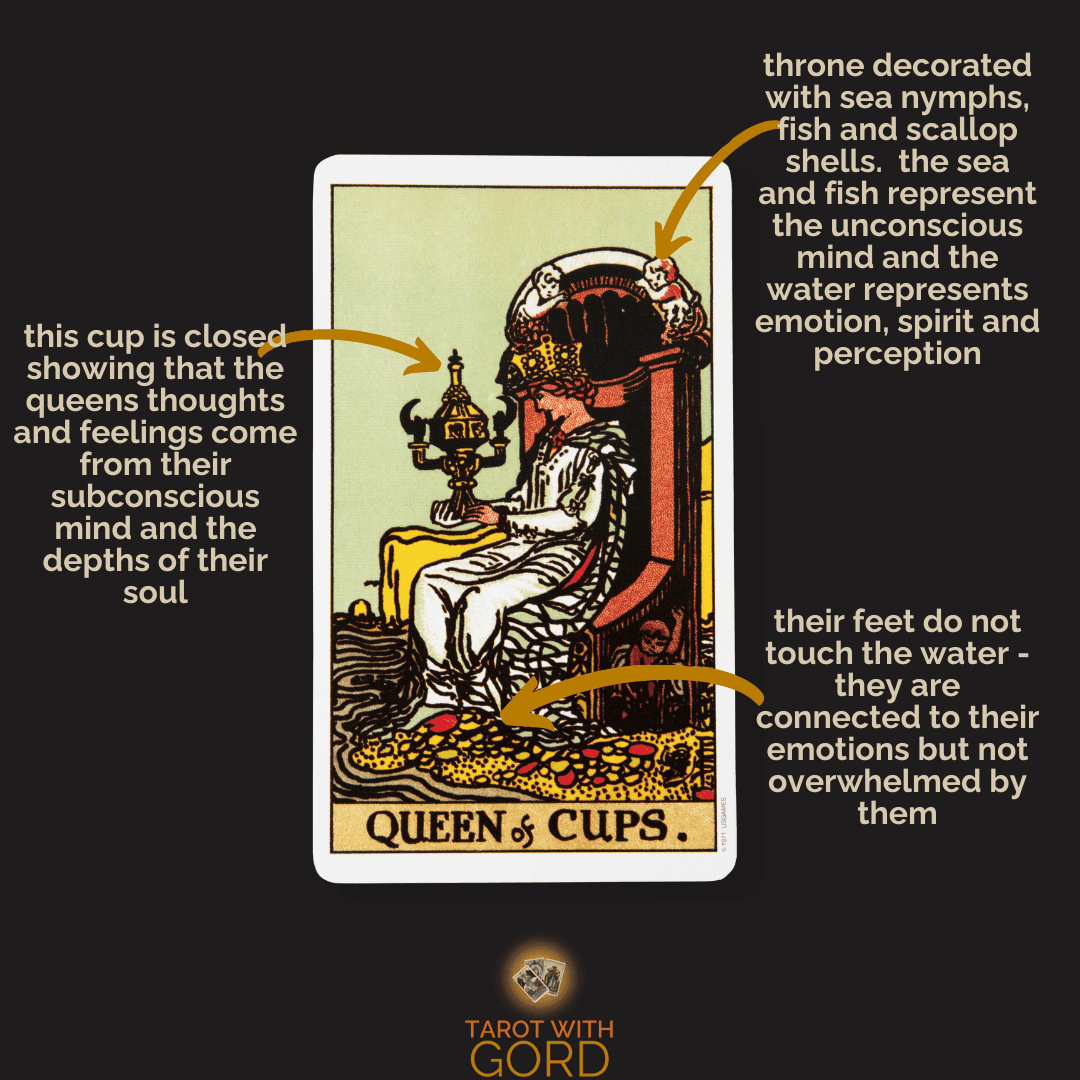
The Queen of Cups is one of the most evocative cards in the tarot deck, representing emotional balance, intuition, and compassion. Depicted as a serene woman seated by the sea, she holds a cup from which a fish emerges—a symbol of the subconscious mind and hidden emotions. The calm water beneath her reflects her ability to remain composed even in turbulent emotional waters. This card is a reminder that emotions, when understood and harnessed, can be a source of strength rather than chaos.
In tarot readings, the Queen of Cups often signifies a person who is deeply empathetic, nurturing, and in tune with their feelings. She encourages you to trust your instincts and embrace vulnerability as a form of power. For poker players, this translates to understanding the emotional undercurrents at the table—reading opponents, managing your own emotions, and using intuition to make strategic decisions. The Queen of Cups teaches that poker isn’t just about the cards; it’s about the people playing them.
Poker Cards: More Than Just Numbers and Suits
Poker cards are often seen as tools for competition, but they’re also a language of probability, psychology, and strategy. The standard deck consists of 52 cards divided into four suits: hearts, diamonds, clubs, and spades. Each suit has 13 ranks, from Ace (high or low) to King. While the suits themselves don’t hold inherent meaning in poker, their colors and symbols can influence the psychological atmosphere of the game. For example, red suits (hearts and diamonds) are often associated with passion and risk, while black suits (clubs and spades) may evoke discipline and strategy.
The real magic of poker lies in the interplay between the cards and the players. A pair of Aces might seem like a sure win, but a skilled player knows that reading the table—observing betting patterns, body language, and emotional cues—can be just as important as the hand itself. This is where the Queen of Cups comes into play. Her energy encourages players to look beyond the surface, to see the emotional landscape of the game, and to use intuition as a guide. In poker, as in tarot, the cards are only part of the story.
Channeling the Queen of Cups in Your Poker Game
So, how can you embody the Queen of Cups at the poker table? Start by cultivating emotional awareness. Before a game, take a moment to center yourself. Breathe deeply and visualize the Queen of Cups, reminding yourself to stay calm and intuitive. During the game, pay attention to your opponents’ emotions. Are they bluffing? Are they nervous? Use this information to make calculated decisions. Remember, the Queen of Cups doesn’t just react to emotions—she understands them and uses that understanding to her advantage.
Another way to channel her energy is by embracing a nurturing approach to the game. While poker is often seen as cutthroat, the Queen of Cups reminds us that kindness and empathy can be powerful tools. Building rapport with opponents can lead to better reads and even strategic alliances. For example, if you notice a player is consistently folding under pressure, you might use that knowledge to bluff them in future hands. The Queen of Cups teaches that power isn’t just about winning; it’s about understanding the dynamics at play.
The Playful Challenge: A Queen of Cups Poker Experiment
Ready to put your newfound knowledge to the test? Here’s a fun challenge to try during your next poker game: The Queen of Cups Bluff. Before the game begins, set an intention to channel the Queen of Cups’ energy. Focus on reading your opponents’ emotions and using that information to make strategic decisions. After the game, reflect on how your intuition guided you. Did you make better reads? Did you manage your emotions more effectively? Share your experiences with a friend or journal about them to deepen your understanding.
For an extra layer of fun, try playing a round of poker with a tarot deck nearby. Before each hand, draw a card and see how its energy influences your play. For example, if you draw the Queen of Cups, focus on emotional intelligence and intuition. If you draw the Tower, embrace the chaos and adapt quickly. This experiment will not only sharpen your poker skills but also deepen your connection to the tarot.
Conclusion
The worlds of poker and tarot may seem worlds apart, but they share a common thread: the power of intuition and emotional intelligence. The Queen of Cups serves as a bridge between these two realms, offering insights into how to navigate the complexities of both games. By embracing her energy, you can enhance your poker strategy, improve your emotional awareness, and even find joy in the process. Whether you’re a seasoned poker player or a tarot enthusiast, the lessons of the Queen of Cups are a reminder that true mastery comes from understanding the unseen forces at play.
So, the next time you sit at a poker table or draw a tarot card, ask yourself: How can I channel the Queen of Cups today? The answer might just change your game forever.
FAQ
What does the Queen of Cups represent in tarot?
The Queen of Cups represents emotional mastery, intuition, and compassion, encouraging empathy and emotional awareness.
How can I use the Queen of Cups in poker?
You can channel the Queen of Cups by cultivating emotional awareness, reading opponents’ emotions, and using intuition to guide your decisions.

Leave a Reply