Short Answer
This guide explores the mechanics, strategies, and outcomes of the “Pulling 13 Cards” feature in Overkill or Destiny. Whether you’re a seasoned player or new to card-based systems, you’ll discover how to maximize your pulls, understand probability, and make informed decisions. From tier lists to gameplay impacts, this article covers everything you need to know about this mechanic.
Understanding the Pulling 13 Cards Mechanic
The “Pulling 13 Cards” mechanic is a core feature in certain games, allowing players to draw a set number of cards in a single attempt. This system is designed to introduce an element of chance, where players may receive powerful cards or common ones. The mechanic often ties into a larger progression system, where rare cards unlock new abilities, cosmetics, or story elements. Understanding how this system works is crucial for optimizing your gameplay and resource management.
In many games, the probability of obtaining high-tier cards is low, but not impossible. For example, a card might have a 1% chance of appearing in a 13-card pull, meaning you could go dozens of pulls without securing it. This randomness is intentional, as it adds excitement and unpredictability to the experience. However, some games implement mechanics to mitigate extreme bad luck, such as pity systems that guarantee a high-tier card after a certain number of pulls.
Tier Lists and Card Rarity
Tier lists categorize cards based on their power, utility, or rarity, helping players prioritize which cards to aim for. These lists are invaluable for understanding the hierarchy of available cards and planning your pulls accordingly. For instance, a top-tier card might be essential for completing endgame content, while lower-tier cards could serve as stepping stones or fillers.
In the context of “Pulling 13 Cards,” tier lists provide a roadmap for what to expect. A common structure includes S-tier (best), A-tier (great), B-tier (good), and lower tiers for less impactful cards. Some games also feature special categories like “Limited” or “Event” cards, which may have unique effects or be available only during specific events. Familiarizing yourself with these tiers can significantly improve your decision-making process when deciding whether to pull.
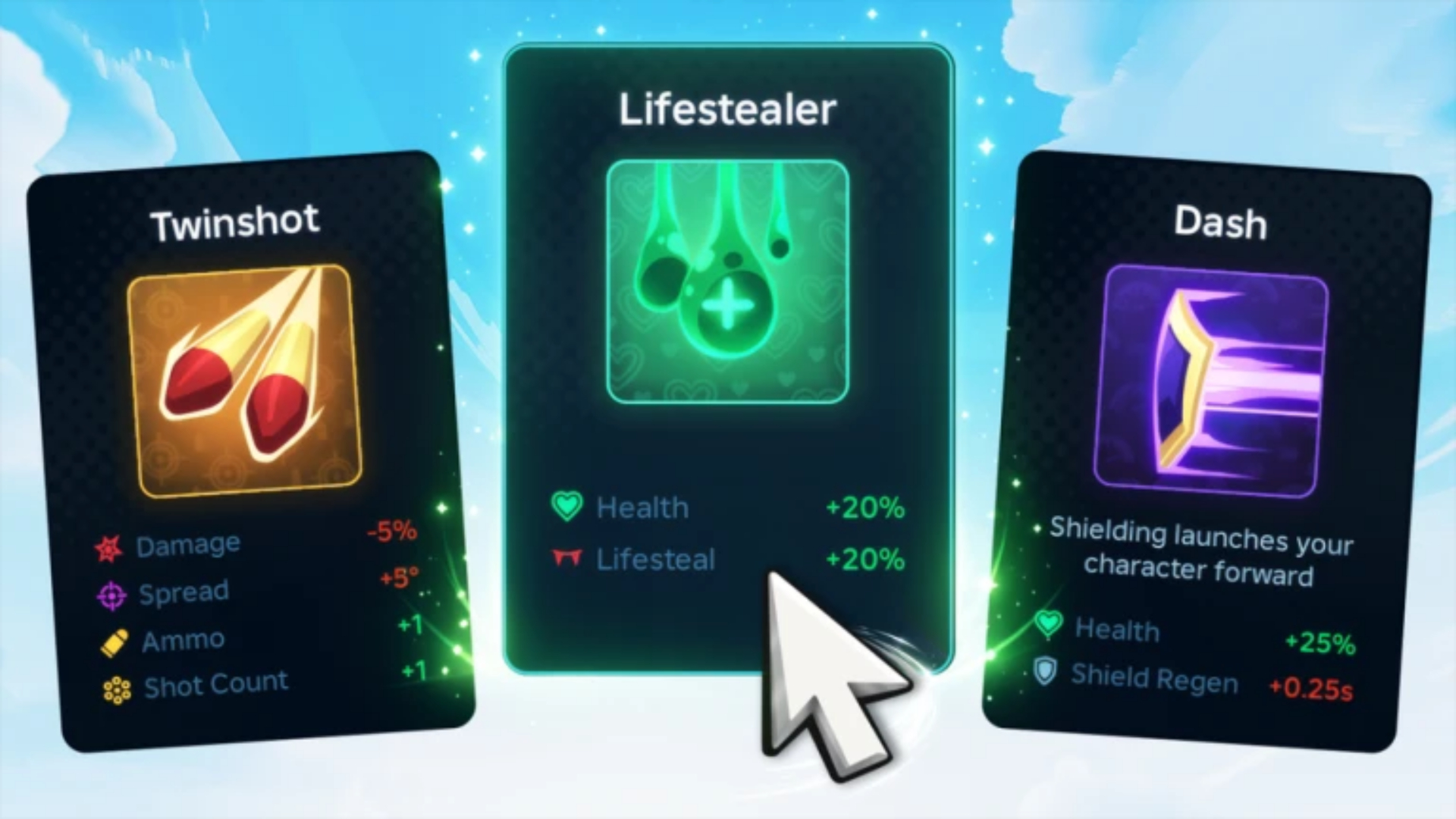
Strategies for Maximizing Your Pulls
Maximizing the value of your 13-card pulls requires a mix of strategy and adaptability. One approach is to focus on event or limited-time cards, as these often provide the highest rewards or exclusive benefits. Additionally, some players choose to save their pulls for special occasions, such as game anniversaries or major updates, when developers may introduce bonus cards or increased drop rates.
Another strategy involves tracking your pulls and analyzing patterns. While card draws are random, some games use algorithms to ensure a certain distribution over time. By keeping a log of your pulls, you can identify whether you’re experiencing above-average or below-average luck and adjust your expectations accordingly. Some players also recommend setting a budget for pulls to avoid overspending, especially in games with monetized card systems.
Lastly, consider the long-term goals of your card collection. If a particular card is essential for a future update or expansion, it may be worth prioritizing pulls that increase your chances of obtaining it. Conversely, if you’re simply collecting for fun, you might take a more relaxed approach and enjoy the randomness of each pull.
Gameplay Impact of High-Tier Cards
High-tier cards often have a transformative impact on gameplay, offering abilities that can turn the tide in battles, unlock new areas, or provide significant stat boosts. For example, a top-tier attack card might double your damage output, while a support card could heal your entire team. The inclusion of these cards can make previously challenging content manageable or even trivial.
However, the power of high-tier cards is often balanced by their rarity. Developers design these cards to be difficult to obtain, ensuring that players who invest time and resources are rewarded appropriately. This balance creates a sense of achievement and progression, as players must work hard to unlock the best cards. Additionally, high-tier cards can influence meta strategies, as players adapt their decks or playstyles to incorporate the most powerful options available.
It’s also worth noting that some games feature cards with synergistic effects, where combining certain cards unlocks even greater bonuses. Understanding these synergies can give you a competitive edge, allowing you to build decks that are greater than the sum of their parts. Experimenting with different card combinations is a key part of mastering the gameplay impact of high-tier cards.
Common Mistakes to Avoid
One of the most common mistakes players make is chasing after high-tier cards without considering the opportunity cost. Pulling for a specific card might deplete your resources or leave you vulnerable in other areas of the game. It’s important to weigh the potential benefits against the risks and decide whether the investment is worth it.
Another mistake is ignoring lower-tier cards entirely. While these cards may not be as powerful, they can still provide valuable utility, especially in the early or mid-game. Some lower-tier cards serve as prerequisites for unlocking higher-tier ones, making them essential stepping stones. Additionally, they can be useful for filling gaps in your collection or trading with other players.
Finally, avoid pulling impulsively out of frustration or excitement. Emotional decisions often lead to poor outcomes, especially in systems designed to exploit human psychology. Set clear goals for your pulls and stick to them, even if luck isn’t on your side. Patience and discipline are key to long-term success in card-based games.
Community Insights and Player Experiences
Engaging with the community can provide valuable insights into the “Pulling 13 Cards” mechanic. Forums, social media groups, and streaming platforms are great places to learn from other players’ experiences. You might discover hidden strategies, card synergies, or even warnings about upcoming changes to the system. Community discussions can also help you gauge the current meta and adjust your approach accordingly.
Many players share their pull results, showcasing rare cards or hilarious fails. These anecdotes can be entertaining and informative, offering a glimpse into the randomness of the system. Additionally, community-driven tier lists or pull trackers can help you make more informed decisions when spending your resources.
Participating in community events or challenges can also enhance your experience. Some games offer special rewards for completing community-driven objectives, such as pulling a certain number of cards or sharing your results online. These events foster a sense of camaraderie and can provide additional incentives to engage with the mechanic.
Conclusion
The “Pulling 13 Cards” mechanic adds depth and excitement to card-based games, offering players a mix of challenge and reward. By understanding the underlying systems, leveraging tier lists, and employing strategic approaches, you can maximize the value of your pulls and enhance your gameplay experience. Whether you’re aiming for top-tier cards or simply enjoying the thrill of the draw, this mechanic offers something for every type of player.
Remember to approach pulls with a clear strategy, avoid common pitfalls, and engage with the community to stay informed. With the right mindset and preparation, you can turn the randomness of card pulls into a rewarding and enjoyable part of your gaming journey.
FAQ
What is the 'Pulling 13 Cards' mechanic?
It is a game mechanic where players draw 13 cards at once, often involving randomness and probability to obtain cards of varying rarity and power.
How can I improve my chances of getting high-tier cards?
Strategies include focusing on event or limited-time cards, tracking your pulls, waiting for special occasions with better drop rates, and managing your pull budget.
What are common mistakes to avoid when pulling cards?
Avoid chasing only high-tier cards without considering resource costs, ignoring useful lower-tier cards, and making impulsive pulls driven by emotion.
How do high-tier cards impact gameplay?
They can significantly enhance abilities, unlock new content, and influence meta strategies by providing powerful effects and synergies.
Leave a Reply