Short Answer
Welcome to your ultimate guide to all 78 tarot card meanings. Whether you’re a beginner just starting your journey or an experienced reader looking to deepen your understanding, this comprehensive resource will provide clear, concise, and practical interpretations for every card in the deck. You’ll discover how each card’s imagery, symbolism, and traditional meanings translate into real-world guidance, helping you unlock deeper insights in your readings. Below, you’ll find structured breakdowns organized by card type, along with practical tips for applying these meanings in your daily practice.
The Major Arcana: The Soul’s Journey
The Major Arcana consists of 22 cards, each representing significant life themes, spiritual lessons, and karmic influences. These cards often appear in readings to signal major turning points, hidden potentials, or pivotal moments. Unlike the Minor Arcana, they carry universal messages that transcend everyday situations, offering profound wisdom about your path and purpose.
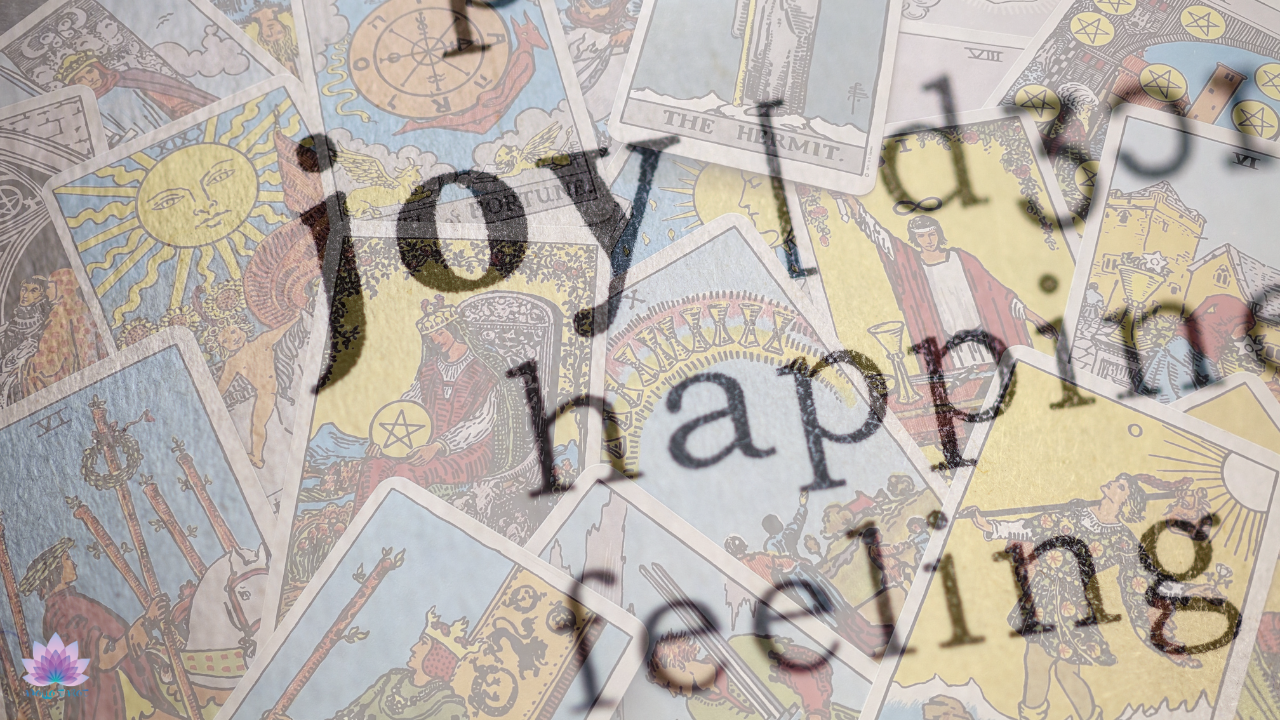
Each Major Arcana card tells a story. For example, The Fool represents new beginnings, spontaneity, and a leap of faith—often appearing when you’re about to embark on a journey or take a bold step. The Magician embodies manifestation, skill, and resourcefulness, reminding you of your ability to shape your reality. Death, contrary to popular belief, signals transformation and rebirth, not literal endings. Understanding these archetypes helps you recognize patterns in your life and align with your higher self.
The Minor Arcana: Everyday Life and Practical Guidance
The Minor Arcana contains 56 cards divided into four suits—Wands, Cups, Swords, and Pentacles—each corresponding to different aspects of human experience. These cards reflect daily challenges, opportunities, and emotions, offering nuanced insights into specific situations. Unlike the Major Arcana, they focus on the “how” rather than the “why,” providing actionable advice and realistic perspectives.
Wands: Passion, Creativity, and Action
Wands represent energy, ambition, and inspiration. They often appear in readings about career moves, creative projects, or personal growth. For instance, the Three of Wands suggests foresight and expansion, indicating that your efforts are about to pay off. The Ace of Wands signals a spark of new passion or opportunity, urging you to take initiative.
Cups: Emotions, Relationships, and Intuition
Cups govern matters of the heart, intuition, and emotional fulfillment. They reveal your inner world, relationships, and subconscious desires. The Five of Cups may indicate disappointment or loss, but it also reminds you to look for what remains. The Queen of Cups embodies compassion and emotional intelligence, suggesting a time to nurture yourself or others.
Swords: Intellect, Conflict, and Clarity
Swords deal with thoughts, decisions, and communication. They can highlight mental clarity or confusion, truth or deception. The King of Swords represents intellectual authority and fairness, while the Eight of Swords warns against self-imposed limitations. These cards often appear when you need to cut through illusions or make a tough choice.
Pentacles: Material World, Finances, and Stability
Pentacles focus on the physical realm—money, health, work, and practical matters. They reflect your relationship with the material world and your ability to manifest security. The Ten of Pentacles signifies legacy and abundance, while the Page of Pentacles suggests a new financial opportunity or learning phase. These cards encourage you to take grounded, sustainable action.
Court Cards: Personalities and Energies
The 16 Court Cards—Page, Knight, Queen, and King of each suit—represent people, energies, or aspects of yourself. They can describe someone’s personality, your own traits in a situation, or the energy surrounding a matter. For example, the Knight of Cups might indicate a romantic, idealistic person entering your life, while the Queen of Swords could symbolize a sharp-witted, independent woman you need to consult.
Court Cards are versatile and often require context from the surrounding cards. They can also reflect your own evolving roles—perhaps you’re taking on more leadership (King of Wands) or needing to communicate with more diplomacy (Queen of Cups). Pay attention to their suits and ranks for deeper clarity.
Reversed Cards: Blocked Energy and Internal Shifts
While upright cards reflect straightforward meanings, reversed cards often indicate blocked energy, internal resistance, or a need for introspection. For example, the Hanged Man reversed may suggest stagnation or a refusal to see things from a new perspective, while the Three of Swords reversed points to healing from heartbreak. Reversals aren’t negative—they highlight areas where growth is needed.
Interpreting reversals requires intuition and context. Sometimes a card’s energy is simply delayed or expressed in a less obvious way. Always consider the surrounding cards and the question asked to refine your understanding.
Practical Tips for Using This Guide
To get the most out of this guide, start by familiarizing yourself with the Major Arcana’s story. Memorize their traditional meanings and symbolic imagery—they form the backbone of many readings. Next, study the Minor Arcana suits one by one, noting how each card’s energy shifts based on its position (past, present, future) in a spread.
Use this guide as a reference during your readings. When a card appears, ask yourself: What is its core message? How does it relate to the question or situation? Does it feel blocked (reversed) or flowing (upright)? Over time, you’ll develop your own interpretations while staying grounded in tradition.
For deeper practice, pull a single card daily and reflect on its meaning in your current life. Journal your insights to track patterns and progress. You can also use this guide to create your own keyword lists or flashcards for quick reference during readings.
Conclusion
Mastering the 78 tarot cards is a journey of self-discovery and intuitive development. This guide provides a clear, no-fluff foundation for understanding each card’s essence, from the transformative Major Arcana to the nuanced Minor Arcana suits and Court Cards. Remember, tarot is a tool for reflection, not a fixed prediction. Use these meanings as a starting point, then trust your intuition to guide you toward deeper insights.
Whether you’re drawing cards for guidance, meditation, or creative inspiration, let this resource be your companion. With practice and an open heart, you’ll uncover the wisdom of the tarot in every shuffle and spread.
FAQ
What is the significance of the Major Arcana in tarot?
The Major Arcana consists of 22 cards that represent significant life themes and spiritual lessons, often indicating major turning points in readings.
How do I interpret reversed tarot cards?
Reversed cards often indicate blocked energy or a need for introspection, highlighting areas where growth is needed.
What are court cards in tarot?
Court cards represent personalities, energies, or aspects of oneself, often describing traits of people involved in a situation.
Leave a Reply