Short Answer
Embark on a journey through the mystical world of tarot as we unravel the age-old question: Are tarot meanings universal, or do they shift with each deck? Whether you’re a seasoned reader or a curious newcomer, this guide will illuminate the nuances of tarot symbolism, the role of tradition, and how individual decks add their unique flavor. Prepare to challenge your perceptions and discover how tarot can reshape your understanding of life’s mysteries.
The Foundation of Tarot: Universal Archetypes
At the heart of tarot lies a collection of archetypal symbols that transcend cultures and time. The Major Arcana, for instance, follows a narrative arc that mirrors the human experience—birth, struggle, transformation, and enlightenment. Cards like The Fool, The Lovers, and Death carry meanings that resonate universally, tapping into shared human emotions and life stages. These archetypes are deeply rooted in Jungian psychology, where they represent collective unconscious patterns that all humans recognize intuitively.
For example, The Magician often symbolizes manifestation and resourcefulness, while The High Priestess embodies intuition and hidden knowledge. These interpretations remain largely consistent across decks because they draw from centuries-old traditions, including the Rider-Waite-Smith system, which standardized many of these meanings in the early 20th century. The universality of these archetypes is what makes tarot accessible to people worldwide, regardless of their cultural background.
The Role of Tradition: How History Shapes Meaning
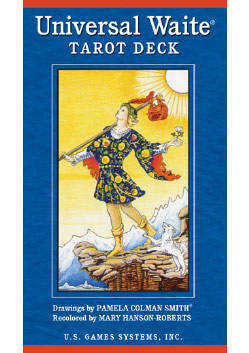
Tarot’s origins are shrouded in mystery, but its evolution into a divinatory tool is well-documented. The traditional meanings we associate with tarot today were shaped by occultists like the Hermetic Order of the Golden Dawn and authors such as A.E. Waite and Pamela Colman Smith, who created the Rider-Waite-Smith deck in 1909. These meanings were not plucked from thin air; they were meticulously crafted to align with esoteric traditions, astrology, numerology, and Kabbalah.
For instance, the card Temperance (Major Arcana #14) is traditionally linked to balance, moderation, and alchemy. This interpretation stems from its association with the astrological sign Sagittarius and the alchemical process of combining opposites. However, even within traditional decks, slight variations exist. Some decks may emphasize the card’s spiritual aspects, while others focus on its practical applications in daily life. This flexibility allows readers to adapt the meanings to their own interpretations while staying grounded in historical context.
The key takeaway here is that while the core meanings of tarot cards are universal, the emphasis placed on certain aspects can vary based on the deck’s design and the creator’s intent. This interplay between tradition and innovation is what keeps tarot dynamic and relevant.
Deck-Specific Variations: Where Individuality Comes into Play
Every tarot deck is a reflection of its creator’s vision, and this is where the meanings can diverge significantly. While the Rider-Waite-Smith deck serves as the blueprint for most modern decks, countless variations exist—from the Thoth Tarot by Aleister Crowley to the whimsical Wild Unknown deck. These decks often reinterpret traditional symbols, infusing them with new layers of meaning that resonate with contemporary audiences or specific spiritual traditions.
For example, the Marseille Tarot, one of the oldest surviving decks, uses simpler imagery and relies more on numerology and elemental associations. Cards like The Pope (Hierophant) and The Popess (High Priestess) carry meanings that are subtly different from their Rider-Waite counterparts. Similarly, decks like the Modern Witch Tarot or Light Seer’s Tarot incorporate modern symbolism, making the cards feel more relatable to today’s readers. The imagery in these decks might depict diverse characters, futuristic settings, or even pop culture references, which can shift the card’s energy and interpretation.
Another fascinating example is the Tarot of the Divine, which reimagines the Major Arcana through the lens of global folklore and fairy tales. Here, The Tower might be depicted as a mythical falling castle, emphasizing themes of upheaval and revelation in a way that feels fresh yet familiar. These variations don’t invalidate the traditional meanings; instead, they offer new perspectives that can deepen a reader’s understanding or spark curiosity.

The Reader’s Intuition: The Missing Piece of the Puzzle
No discussion of tarot meanings would be complete without acknowledging the role of the reader’s intuition. Tarot is not a rigid system of fixed definitions; it’s a tool for self-reflection and exploration. While traditional meanings provide a foundation, the way a card speaks to you can be deeply personal. This is where the universality of tarot meets its individuality. A card like The Chariot might symbolize determination and victory to one person, while another might see it as a reminder to trust their inner strength during a challenging journey.
This intuitive approach is especially evident in intuitive tarot reading, where the focus shifts from memorizing meanings to tuning into the imagery, symbols, and emotions evoked by the cards. For example, a reader might associate The Moon with anxiety and illusion because of a personal experience, even though the traditional meaning leans toward subconscious fears and intuition. This personal connection can make a reading feel more authentic and transformative.
Moreover, the context of a reading plays a crucial role. The position of a card in a spread (e.g., past, present, future) and the surrounding cards can drastically alter its interpretation. A Five of Cups in a position representing loss might highlight grief, but in a position representing growth, it could symbolize the necessary release before healing. This fluidity is what makes tarot a living, breathing practice rather than a static set of rules.
Practical Tips for Navigating Deck-Specific Meanings
If you’re new to tarot or exploring a new deck, here are some practical tips to help you navigate the nuances of its meanings:
- Study the Guidebook: Most decks come with a guidebook that outlines the creator’s intended meanings. While you don’t have to adhere strictly to these, they provide a helpful starting point.
- Observe the Imagery: Pay attention to the colors, symbols, and characters depicted in the cards. For example, a deck with a lot of nature imagery might emphasize the card’s connection to the earth or cycles of life.
- Compare with Traditional Decks: Cross-referencing with the Rider-Waite-Smith deck can help you identify where a deck’s meanings align with tradition and where they diverge.
- Trust Your Gut: If a card’s meaning doesn’t resonate with you, explore why. Your intuition is a powerful tool in tarot, and it’s okay to adapt meanings to fit your personal journey.
- Practice Regularly: The more you work with a deck, the more attuned you’ll become to its unique language. Keep a journal to track your interpretations and notice patterns over time.
Conclusion
Tarot is a tapestry woven from threads of tradition, innovation, and personal insight. While the core meanings of the cards are rooted in universal archetypes that have endured for centuries, the expression of those meanings can vary widely from deck to deck. This duality is what makes tarot so captivating—it offers both a familiar anchor and a canvas for endless exploration.
Whether you’re drawn to the timeless elegance of the Rider-Waite-Smith deck or the bold creativity of a modern reinterpretation, remember that tarot is a tool for transformation. It invites you to look beyond the surface, question your assumptions, and embrace the fluidity of meaning. The next time you draw a card, ask yourself: How does this speak to me? The answer might just shift your perspective in ways you never expected.
FAQ
Are tarot meanings the same for every deck?
While core meanings are often universal, individual decks can introduce unique interpretations based on their design and creator’s vision.
What role does a reader's intuition play in tarot readings?
A reader’s intuition can significantly influence the interpretation of cards, allowing for personal connections and insights beyond traditional meanings.
Leave a Reply