Short Answer
Welcome to a transformative journey into the world of Black and White Tarot – No Color No Mercy. In this guide, you will explore how monochrome tarot decks offer a unique perspective, stripping away the distractions of color to reveal deeper symbolism and intuitive insights. By focusing on stark contrasts and raw imagery, these decks challenge conventional interpretations and invite you to engage with tarot in a raw, unfiltered way. Whether you’re a seasoned reader or a curious beginner, this guide will help you understand the power of black-and-white tarot and how it can reshape your approach to divination.
The Essence of Black and White Tarot
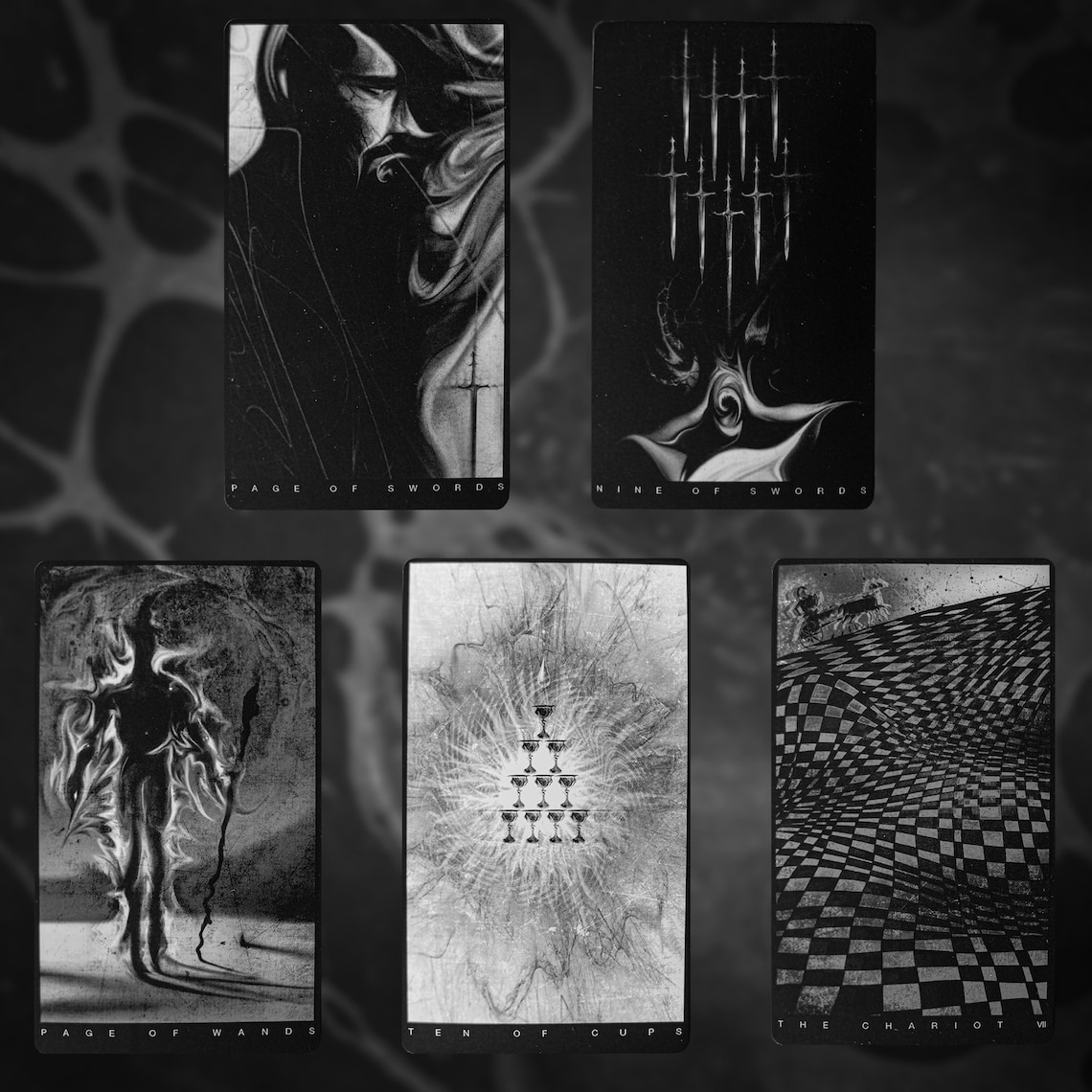
Black and white tarot decks are more than just a stylistic choice—they represent a deliberate shift in how we perceive and interpret tarot imagery. By removing color, these decks force the reader to focus on the symbolism, shapes, and emotional weight of each card rather than being influenced by color associations. For example, a traditionally red “Strength” card might evoke passion or anger, but in black and white, its true essence—inner power, courage, and resilience—becomes the sole focus.
This minimalist approach also highlights the duality of existence. Black and white are the purest forms of contrast, representing opposites like light and dark, conscious and subconscious, or action and stillness. In tarot, this duality mirrors the balance required in life and readings—finding harmony between opposing forces. The absence of color strips away societal conditioning, allowing the reader to connect more deeply with the archetypal energy of each card.
Why Choose a Monochrome Deck?
Opting for a black-and-white tarot deck is a statement of intent. It signals a desire to simplify, clarify, and confront raw truth without the emotional or psychological cues that color often provides. Here are key reasons to consider a monochrome deck:
- Unfiltered Insight: Colors can subconsciously influence interpretations. By removing them, you rely solely on the card’s imagery and your intuition, leading to more authentic readings.
- Enhanced Symbolism:
- Shapes, lines, and textures take center stage, revealing hidden details that might be overlooked in a colored deck.
- Versatility: Black and white decks are timeless. They don’t date with trends and can be easily paired with any aesthetic or setting.
- Meditation and Focus: The stark contrast is ideal for deep contemplation, making these decks excellent tools for journaling or spiritual practice.
For those seeking a challenge, monochrome decks also demand more from the reader. Without the aid of color symbolism (e.g., red for passion, blue for calm), you must develop a more nuanced understanding of each card’s energy.
Key Cards and Their Monochrome Interpretations
Certain tarot cards take on new meanings when stripped of color. Below are a few examples of how black-and-white imagery can shift traditional interpretations:
The Fool
In a colored deck, The Fool might appear carefree and joyful, with bright clothing symbolizing optimism. In black and white, the card’s simplicity and vulnerability become the focal point. The figure’s ragged edges and the cliff’s steep drop emphasize the raw leap of faith required. Without color to soften the scene, the card feels more urgent—less about naivety and more about unbridled trust in the unknown.
The High Priestess
The High Priestess is often depicted with a blue or purple veil, colors associated with intuition and mystery. In monochrome, the veil becomes a textured barrier, its folds creating depth and intrigue. The crescent moon at her feet, now devoid of its usual silver hue, feels more like a silent promise—a reminder that wisdom lies in the unseen. The card’s power shifts from passive mystery to an active invitation to explore the subconscious.
Ten of Swords

Traditionally, the Ten of Swords is a card of betrayal or failure, often rendered in dark reds and blacks to emphasize pain. In black and white, the scene feels more abstract and universal. The ten swords piercing the figure’s back become stark, geometric shapes—less about literal suffering and more about the inevitability of endings. The card’s message transforms from “this hurts” to “this is part of the cycle,” encouraging acceptance rather than despair.
How to Read with a Black and White Deck
Reading with a monochrome deck requires a different approach. Here’s how to adapt your practice:
- Focus on Contrast: Notice how light and dark interact in each card. Shadows and highlights can reveal hidden emotions or overlooked details.
- Ask Deeper Questions: Without color to guide you, ask yourself: What does this shape represent? How does this line make me feel? The answers will be more personal and less influenced by external symbolism.
- Journal Your Interpretations: Since monochrome decks lack the “clues” of color, keeping a reading journal helps track your evolving understanding of each card.
- Pair with Meditation: Use the deck in meditation to explore the raw energy of each card. Close your eyes and visualize the imagery—how does it make you feel without the distraction of color?
- Experiment with Layouts: Try spreads that emphasize contrast, such as a “Light vs. Dark” spread, where you explore opposing forces in a situation.
The Psychological and Spiritual Benefits
Working with a black-and-white tarot deck can have profound psychological and spiritual effects. The absence of color reduces cognitive overload, allowing your brain to process the imagery more intuitively. This can lead to:
- Heightened Intuition: Without color associations, you rely more on gut feelings and subconscious cues.
- Clarity in Readings: The stark imagery cuts through ambiguity, helping you see situations with brutal honesty.
- Emotional Detachment: For those prone to emotional reactions, monochrome decks can create a sense of objectivity in readings.
- Creative Inspiration: The minimalist aesthetic can spark new ideas, making these decks useful for artists and writers seeking fresh perspectives.
Conclusion
Black and white tarot decks offer a radical departure from traditional colored decks, but they also provide a gateway to deeper, more intuitive readings. By stripping away color, these decks force you to confront the raw essence of each card, revealing truths that might otherwise be obscured. Whether you’re drawn to their aesthetic, their challenge, or their promise of unfiltered insight, monochrome tarot is a powerful tool for transformation.
As you explore this style, remember that the lack of color is not a limitation—it’s an invitation to see beyond the surface. Embrace the contrast, trust your intuition, and let the stark beauty of black and white tarot guide you toward clarity and revelation. The cards are waiting; will you answer their call?
FAQ
What is black and white tarot?
Black and white tarot refers to tarot decks that use only monochrome colors, focusing on symbolism without the influence of color.
How do I read with a black and white tarot deck?
Focus on the contrast of light and dark, and ask deeper questions about the shapes and lines in each card.
FAQ
What is black and white tarot?
Black and white tarot refers to tarot decks that use only monochrome colors, focusing on symbolism without the influence of color.
How do I read with a black and white tarot deck?
Focus on the contrast of light and dark, and ask deeper questions about the shapes and lines in each card.
Leave a Reply