Short Answer
Welcome to a journey where tiny books hold enormous truths! In this guide, you’ll discover how compact booklets can deliver profound messages, challenge perceptions, and inspire meaningful reflections. Whether you’re a reader, writer, or simply curious about the power of concise storytelling, this exploration will reveal why “tiny books” are anything but small in impact. Prepare to see how a few pages can spark big ideas and even bigger questions about life, faith, and the world around us.
What Are “Tiny Books” and Why Do They Matter?
“Tiny books” refer to compact, often illustrated booklets that distill complex ideas, stories, or teachings into a few pages. These booklets are designed to be accessible, engaging, and visually appealing, making them perfect for readers of all ages. The concept of “tiny truths” plays on the idea that profound wisdom doesn’t always require lengthy explanations—sometimes, a few carefully chosen words and images can convey just as much, if not more, than a dense tome.
The appeal of tiny books lies in their simplicity and focus. They strip away unnecessary details, leaving only the core message. This approach can be particularly powerful for topics like faith, philosophy, or personal growth, where clarity and brevity can enhance understanding. By presenting ideas in a digestible format, tiny books invite readers to pause, reflect, and engage with the material on a deeper level.
The Playful Question: Can a Small Book Hold a Big Truth?
At first glance, it might seem counterintuitive to suggest that a small book could contain a profound truth. After all, we often associate depth with length—longer books are assumed to offer more substance. However, tiny books challenge this assumption by proving that brevity can amplify impact. The playful question, “Can a small book hold a big truth?” invites us to reconsider how we define depth and meaning in literature.
Consider the analogy of a diamond. A diamond’s brilliance isn’t determined by its size but by its cut, clarity, and facets. Similarly, a tiny book’s power lies in how its ideas are crafted and presented. A well-designed tiny book can shine just as brightly as a massive volume, if not more so, because it focuses on what truly matters. This playful challenge encourages readers to look beyond the page count and seek out the essence of the message.
The Challenge of Condensing Wisdom into Fewer Pages
Creating a tiny book is no small feat. The challenge lies in distilling complex ideas into a few pages without losing their essence. Writers and illustrators must carefully select their words and images, ensuring that every element serves a purpose. This process requires a deep understanding of the subject matter, as well as creativity in how it’s presented.
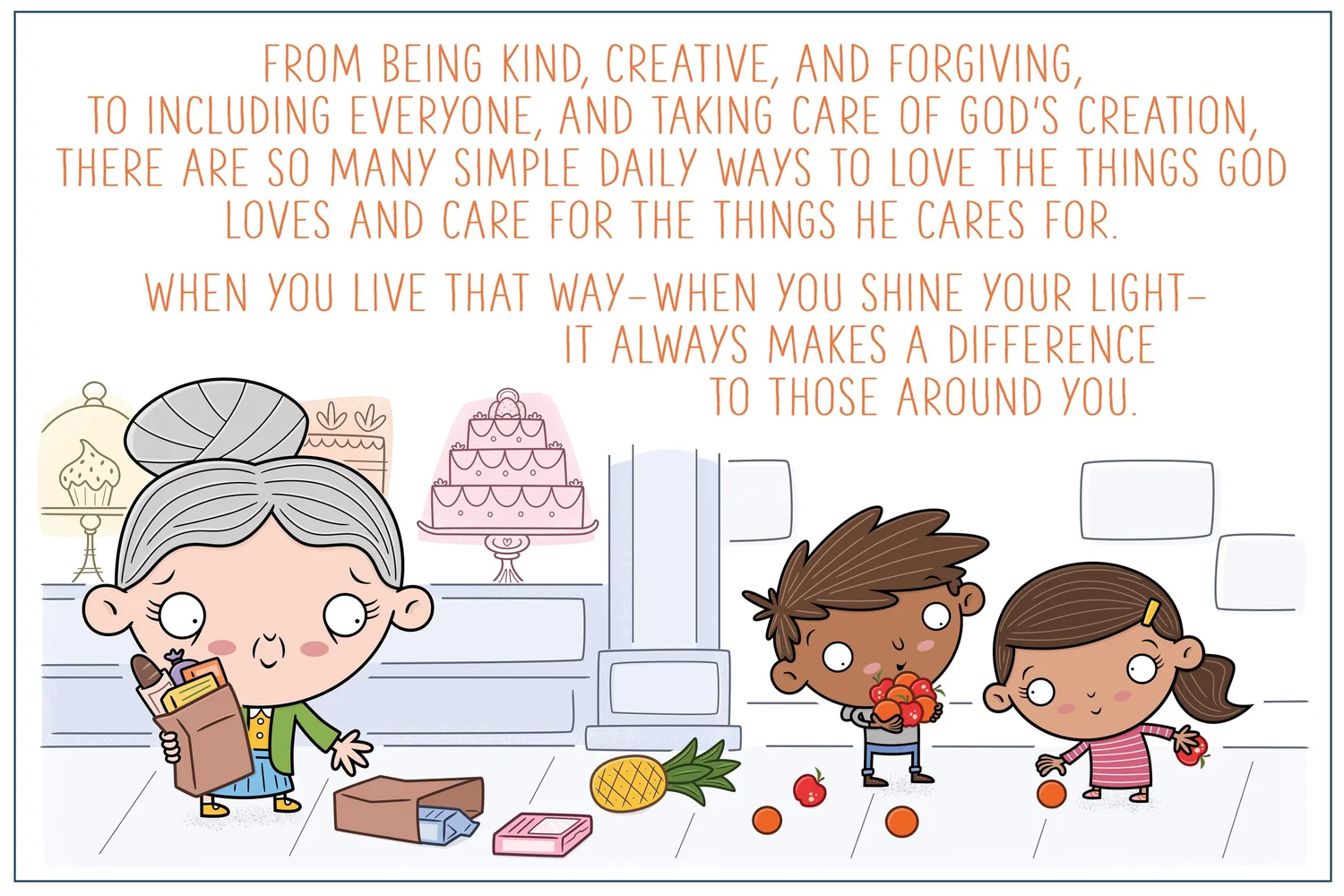
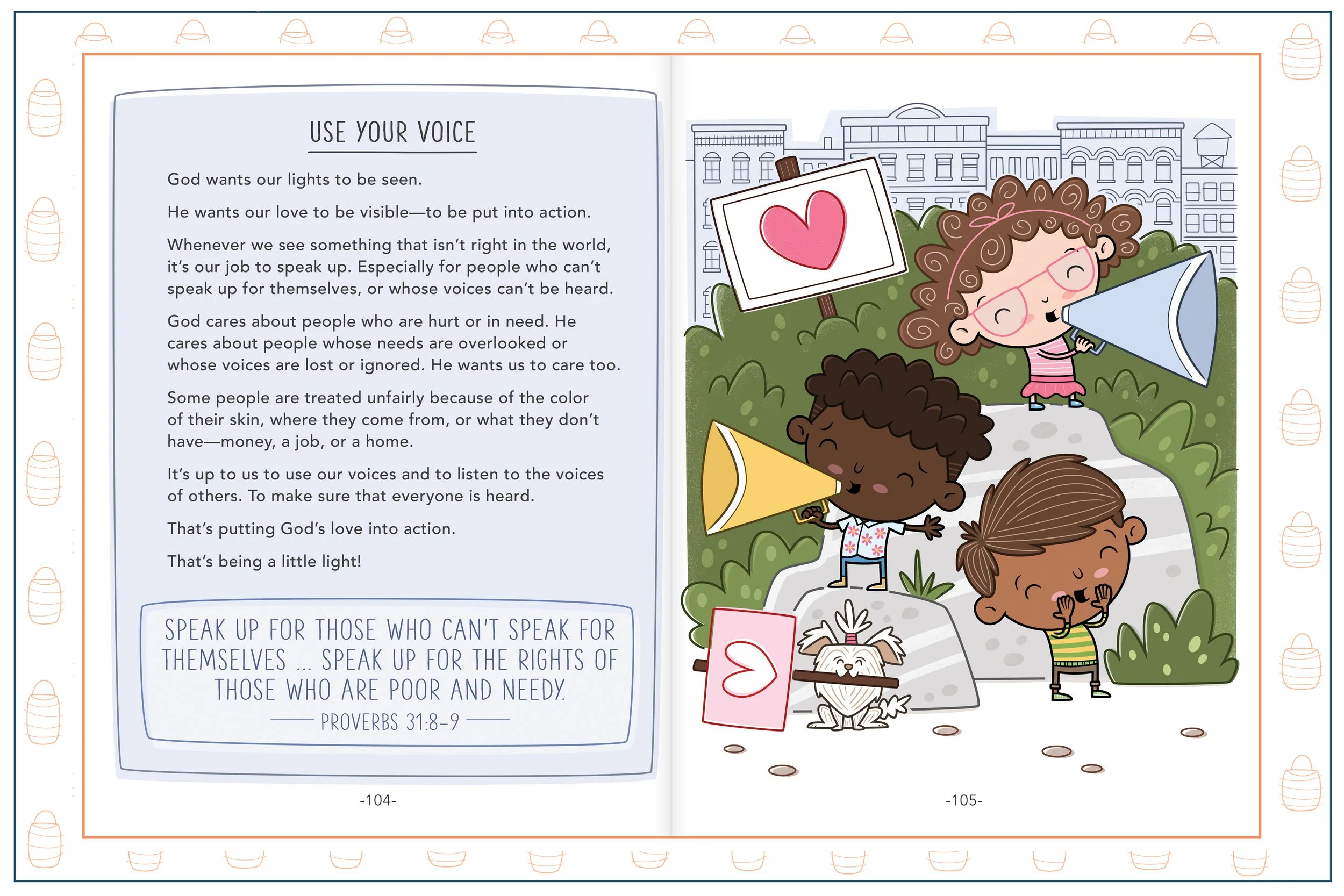
For example, an illustrated Bible might use simple, evocative imagery to convey stories and teachings. Each illustration is chosen to complement the text, making the message more accessible and memorable. The challenge is to balance brevity with depth, ensuring that the tiny book doesn’t feel superficial or incomplete. When done well, the result is a booklet that feels both intimate and profound, inviting readers to return to it again and again.
How Tiny Books Enhance Understanding and Retention
One of the most significant advantages of tiny books is their ability to enhance understanding and retention. When information is presented in a concise format, readers are more likely to absorb and remember the key points. This is especially true for complex or abstract concepts, which can be overwhelming when presented in a lengthy format.
Tiny books also cater to modern readers who often have limited time and attention spans. In a world filled with distractions, a short, engaging booklet can feel like a breath of fresh air. It allows readers to engage with the material without feeling overwhelmed, making it easier to revisit and reflect on the ideas presented. Additionally, the visual elements in tiny books—such as illustrations, diagrams, or infographics—can further enhance comprehension by providing a different way to process the information.
The Role of Visuals in Tiny Books
Visuals play a crucial role in tiny books, as they can convey meaning in ways that words alone cannot. An illustration can evoke emotions, clarify concepts, or add depth to the text, making the booklet more engaging and memorable. For example, a simple drawing of a character or scene can help readers visualize the story or teaching, making it more relatable and impactful.
In the case of religious or philosophical texts, visuals can also serve to reinforce the message. A well-placed image can highlight a key idea, provide context, or even challenge the reader’s perspective. The combination of text and imagery creates a multi-sensory experience that enhances the overall impact of the tiny book. Whether it’s a cartoon, a photograph, or a symbolic illustration, visuals are an essential component of what makes tiny books so effective.
Who Can Benefit from Tiny Books?
Tiny books are versatile and can benefit a wide range of readers. For children, they offer an accessible introduction to complex topics like faith, history, or science. The combination of simple text and engaging visuals makes learning fun and interactive. For adults, tiny books can serve as a quick refresher on a topic, a tool for meditation or reflection, or even a conversation starter.
Educators and parents can also use tiny books as teaching aids, helping to break down difficult concepts into manageable chunks. Additionally, tiny books can be a great resource for individuals who are new to a subject or language, as they provide a gentle introduction without overwhelming the reader. Whether you’re looking to learn, teach, or simply enjoy a quick read, tiny books offer something for everyone.
Conclusion
Tiny books may be small in size, but their impact is anything but. By distilling complex ideas into concise, visually engaging formats, these booklets challenge our perceptions of what it means to convey depth and meaning. They invite us to ask playful questions, engage with big truths, and reflect on the world around us in new ways. Whether you’re drawn to their simplicity, their creativity, or their ability to enhance understanding, tiny books offer a unique and powerful way to explore ideas.
So, the next time you come across a tiny book, don’t judge it by its size. Instead, take a moment to open it, read its pages, and discover the big truths it holds within. You might just find that the smallest books can leave the biggest impressions.
FAQ
What are tiny books?
Tiny books are compact booklets that distill complex ideas or stories into a few pages, often using illustrations and concise text to convey profound messages.
Who benefits the most from tiny books?
Tiny books benefit a wide range of readers including children, adults, educators, and individuals new to a subject or language by providing accessible and engaging content.
How do tiny books enhance understanding?
Their concise format and use of visuals help readers absorb and retain information more effectively, especially complex or abstract concepts.
Why are visuals important in tiny books?
Visuals convey emotions, clarify ideas, and add depth to the text, making the content more engaging and memorable.
Leave a Reply