Short Answer
Welcome to your comprehensive guide on Card of the Year & Time Meanings. Whether you’re a greeting card enthusiast, a collector, or someone looking to understand the symbolism behind seasonal and annual cards, this guide will provide valuable insights. You’ll explore the history, cultural significance, and various types of cards associated with different times of the year. By the end, you’ll have a deeper appreciation for how these cards reflect traditions, emotions, and personal milestones.
Understanding the Concept of “Card of the Year”
The term “Card of the Year” typically refers to a greeting card that captures the essence of a particular year, season, or time period. These cards often serve as keepsakes, celebrating holidays, personal achievements, or cultural events. They can be sentimental, humorous, or inspirational, depending on the occasion they represent. For example, holiday cards often convey warmth and joy, while birthday cards may focus on celebration and personal growth. Understanding the context behind these cards helps in selecting the right one for any given moment.
Historical Significance of Seasonal Greeting Cards
Greeting cards have a rich history dating back to ancient civilizations, where people exchanged handwritten notes to mark special occasions. The modern greeting card industry began in the 19th century, with the introduction of mass-produced cards. Seasonal cards, such as Christmas or New Year’s greetings, became particularly popular in the Victorian era, reflecting the cultural emphasis on family, tradition, and community. Today, these cards continue to evolve, incorporating digital designs and personalized touches while retaining their core purpose: to convey heartfelt messages across distances.
Types of Cards and Their Meanings
Cards can be categorized based on the time of year they represent. Below are some of the most common types and their associated meanings:
Holiday Cards
Holiday cards, such as those for Christmas, Thanksgiving, or Hanukkah, are designed to spread cheer and gratitude. Christmas cards, for instance, often feature festive imagery like snowflakes, Santa Claus, or nativity scenes, symbolizing joy, peace, and togetherness. Thanksgiving cards typically emphasize gratitude and harvest themes, while cards for other holidays reflect their unique cultural traditions.

Birthday Cards
Birthday cards celebrate personal milestones and are often customized with the recipient’s name or age. These cards can range from humorous to sentimental, depending on the relationship between the sender and receiver. Common themes include aging gracefully, new beginnings, and the passage of time, making them a staple in personal celebrations.
New Year’s Cards
New Year’s cards symbolize fresh starts, resolutions, and hope for the future. They often feature clocks, fireworks, or inspirational quotes about new beginnings. These cards are a way to reflect on the past year while looking forward to the opportunities ahead.
Everyday Cards
Beyond seasonal and holiday-specific cards, everyday cards cover a wide range of occasions, such as anniversaries, congratulations, or expressions of sympathy. These cards provide a way to stay connected with loved ones throughout the year, regardless of the time of year.
Cultural Variations in Card Designs
The design and messaging of greeting cards can vary significantly across cultures. For example, in Western cultures, Christmas cards often depict religious or winter-themed imagery, while in Japan, New Year’s cards (known as “nengajo”) feature motifs like cranes and cherry blossoms to symbolize longevity and renewal. Understanding these cultural nuances can help in selecting a card that resonates with the recipient’s background and traditions.
Choosing the Right Card for the Occasion
Selecting the perfect card involves considering the recipient’s personality, your relationship with them, and the occasion itself. For instance, a humorous card may be ideal for a close friend’s birthday, while a more formal design might suit a professional milestone. Additionally, the quality of the card, including paper texture and printing, can enhance the overall impact of your message. Personalization options, such as handwritten notes or custom photos, add a thoughtful touch that makes the card even more special.
DIY Card Ideas to Add a Personal Touch
If you’re feeling creative, making your own card can be a rewarding way to express your sentiments. DIY cards allow you to tailor the design, colors, and message to perfectly match the recipient’s tastes. You can use materials like pressed flowers, calligraphy, or even digital prints to create a one-of-a-kind card. This approach is especially meaningful for occasions like Mother’s Day or Valentine’s Day, where personalization conveys extra love and effort.
Digital vs. Physical Cards: Pros and Cons
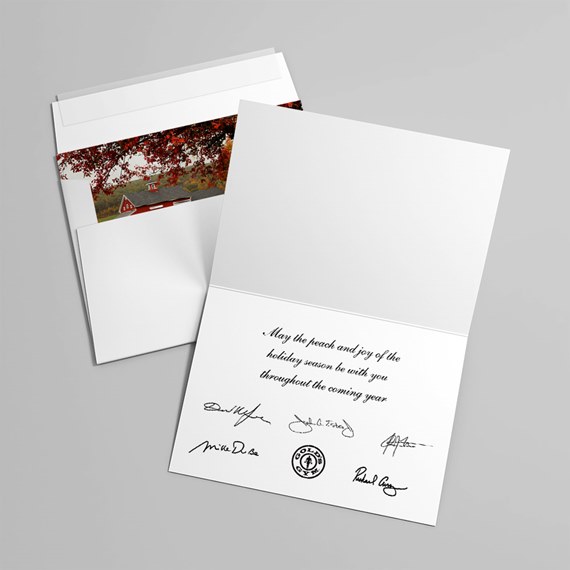
In today’s digital age, electronic cards (e-cards) offer a convenient and eco-friendly alternative to traditional paper cards. E-cards are easy to send and can include interactive elements like animations or music. However, physical cards hold sentimental value and can be cherished as keepsakes. The choice between digital and physical often depends on the occasion, the recipient’s preferences, and the message you want to convey. For formal or heartfelt occasions, a physical card may be more appropriate, while e-cards work well for quick, casual greetings.
Collecting Cards as a Hobby
Collecting greeting cards can be a fascinating hobby, offering insights into historical trends, artistic styles, and cultural shifts. Vintage cards, in particular, are highly sought after for their unique designs and nostalgic appeal. Collectors often focus on specific themes, such as holiday cards from a particular decade or cards featuring iconic characters. Whether you’re a seasoned collector or just starting, this hobby provides a creative outlet and a way to preserve pieces of history.
Conclusion
Cards of the Year and seasonal greetings play a vital role in how we celebrate, connect, and reflect on time. From their historical roots to modern innovations, these cards serve as more than just pieces of paper—they are vessels of emotion, tradition, and personal expression. By understanding the meanings behind different types of cards, you can choose or create the perfect message for any occasion. Whether you opt for a classic holiday card, a heartfelt birthday note, or a handmade keepsake, the act of sending a card remains a timeless gesture of care and connection.
FAQ
What is a Card of the Year?
A Card of the Year is a greeting card that captures the essence of a specific year or season, often celebrating holidays or personal milestones.
What types of greeting cards are there?
Common types include holiday cards, birthday cards, New Year's cards, and everyday cards, each with its own unique meanings.
How do cultural variations affect card designs?
Card designs can vary significantly across cultures, incorporating different motifs and themes to resonate with local traditions.



Leave a Reply