Short Answer
Curious about why certain tarot cards evoke such strong reactions? This guide dives into the most shocking tarot card, its symbolic meanings, and the deeper psychological and cultural reasons behind its enduring fascination. Whether you’re a tarot enthusiast or simply intrigued by the mysteries of divination, you’ll uncover why this card captures attention and what it reveals about our subconscious fears and desires.
The Card That Stands Out: Death
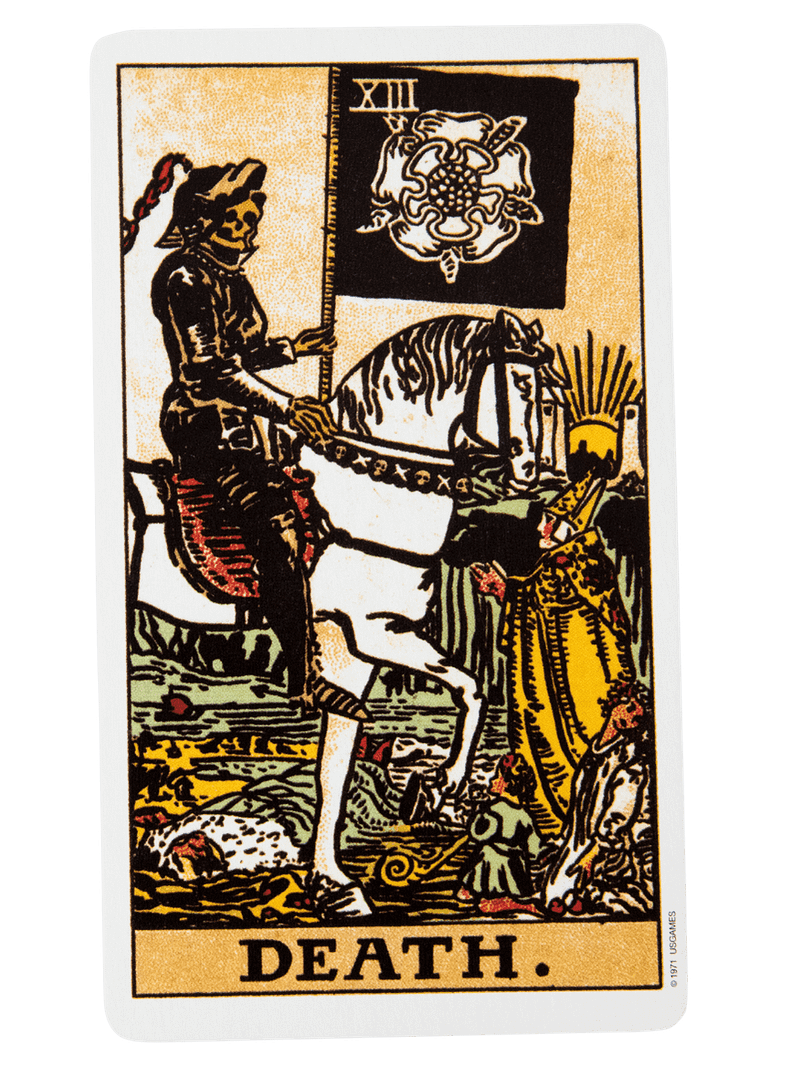
When people think of shocking tarot cards, Death (Card XIII in the Major Arcana) is often the first to come to mind. Contrary to popular belief, Death doesn’t symbolize literal demise—it represents transformation, endings, and rebirth. The card typically depicts a skeletal figure riding a white horse, often holding a black flag adorned with a white rose. The imagery is stark, evoking a sense of finality and inevitability.
Yet, the shock factor lies in its name and the cultural taboos surrounding death. Society often avoids discussing mortality, making Death a card that forces confrontation with uncomfortable truths. Its appearance in a reading can signal the end of a cycle, whether in relationships, careers, or personal growth. The card’s power lies in its ability to strip away illusions, revealing what must change for progress to occur.
Why Death Evokes Such Strong Reactions
The emotional response to the Death card stems from its association with loss and the unknown. Humans are wired to fear what they can’t control, and death—whether literal or metaphorical—represents the ultimate unknown. When this card appears in a spread, it often triggers anxiety, even if the querent intellectually understands its symbolic meaning.
Culturally, death is shrouded in mystery and superstition. From religious beliefs about the afterlife to folklore about ghosts and omens, the topic is steeped in fear and fascination. The Death card taps into these deep-seated emotions, making it one of the most polarizing cards in the deck. Its shock value isn’t just about the imagery; it’s about the psychological weight it carries.
Interestingly, the card’s shock factor can also be a tool for growth. By confronting the idea of endings, we’re forced to reflect on what truly matters. The Death card doesn’t just predict change—it demands it, pushing us toward renewal. This duality—fear and transformation—is what makes it so compelling.
Common Misconceptions About the Death Card
One of the biggest misconceptions about the Death card is that it foretells physical death. While this is a dramatic interpretation, it’s rarely the case in readings. Instead, the card is more likely to signify the end of a phase, such as a job, a relationship, or a limiting belief. The shock often comes from the word “Death” itself, which overshadows its true meaning.
Another misconception is that the Death card is always negative. In reality, it’s a neutral force—neither good nor bad, but transformative. The card’s energy can be liberating, especially when it clears away stagnant energy or toxic situations. For example, if someone is stuck in a dead-end job, the Death card might signal the need for a career change, even if the transition feels daunting at first.
Understanding these nuances is key to demystifying the card’s reputation. Once you recognize that Death is about change rather than destruction, its shock factor diminishes, and its wisdom becomes clearer.
The Psychology Behind Our Fascination with Death
Why are we so drawn to cards like Death, even when they make us uncomfortable? Psychologists suggest that humans have an innate fascination with mortality because it forces us to confront our own impermanence. This awareness can drive us to seek meaning, purpose, and deeper connections in life.
The Death card embodies this tension between fear and curiosity. Its imagery is designed to provoke a reaction, whether awe, dread, or intrigue. This emotional response is what makes tarot readings so powerful—they don’t just predict the future; they reflect our inner landscapes. When we see Death in a spread, we’re not just seeing a card; we’re seeing a mirror of our own resistance to change.
This psychological pull explains why the Death card appears so frequently in discussions about tarot’s most “shocking” cards. It’s not just about the card itself; it’s about what it represents in the human experience. Death reminds us that endings are a natural part of life, and without them, growth isn’t possible.
How to Interpret the Death Card in Readings
When the Death card appears in a reading, the first step is to assess its context. Is it surrounded by supportive cards, or does it clash with the querent’s current situation? For example, if Death appears in a spread about a new relationship, it might indicate the end of an old pattern or belief system that no longer serves the querent. If it appears in a career reading, it could signal a need to leave a toxic work environment.
It’s also important to consider the querent’s emotional state. If they’re resistant to change, the Death card might feel like a warning rather than an invitation. In such cases, the card serves as a gentle (or not-so-gentle) nudge toward self-reflection. The key is to approach the card with curiosity rather than fear, asking: What is ending here, and what is trying to be reborn?
For those who struggle with the card’s imagery, it can help to reframe Death as a metaphor for shedding old skin. Just as a snake sheds its scales to grow, the Death card encourages us to release what no longer serves us. This perspective shifts the focus from fear to empowerment, making the card’s message more accessible.
Cultural and Historical Influences on the Death Card
The Death card’s shocking reputation is also shaped by cultural and historical influences. In medieval Europe, death was a constant presence, from plagues to wars, making it a familiar yet feared concept. Tarot decks from this era often featured grim reaper imagery, reinforcing the card’s association with mortality.
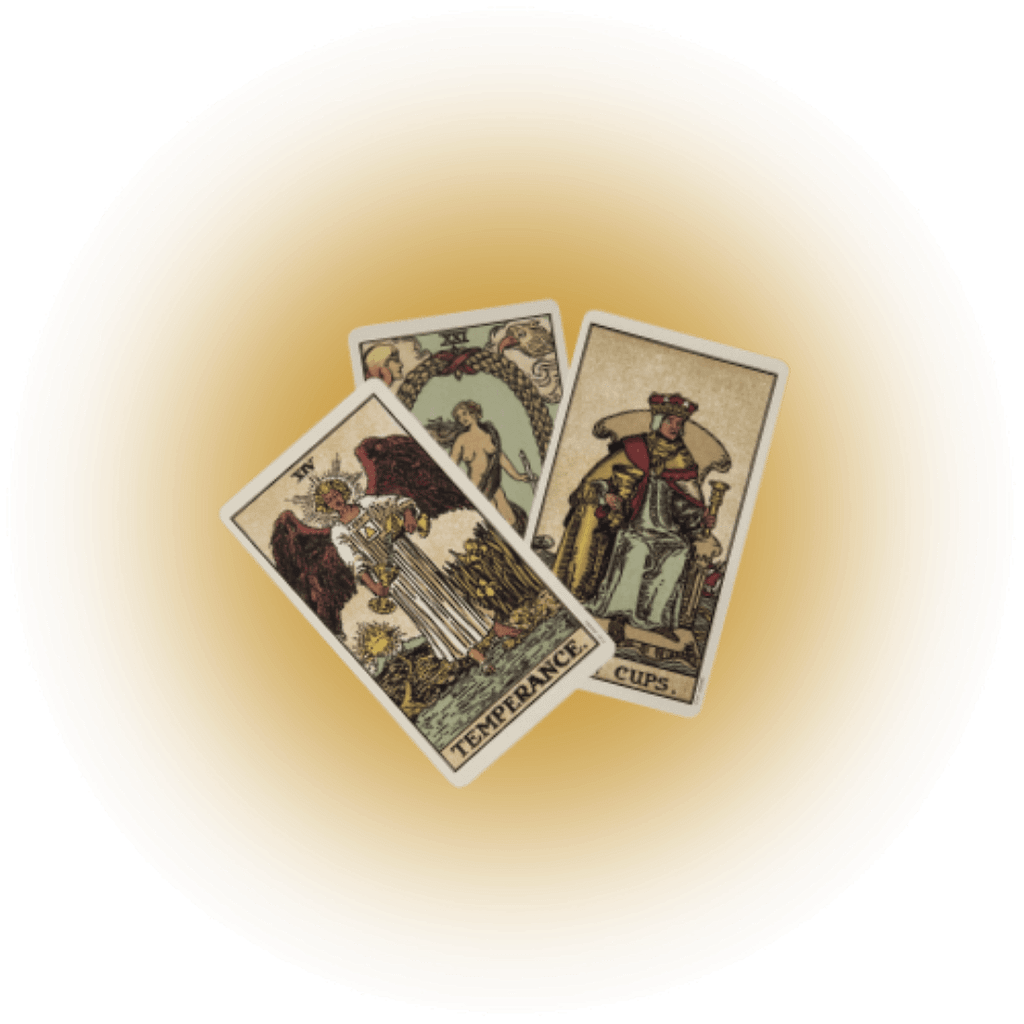
Over time, tarot evolved, and so did interpretations of the Death card. Modern decks, like the Rider-Waite-Smith, soften the imagery, emphasizing rebirth over destruction. However, the card’s core message remains: change is inevitable, and resistance only prolongs suffering. This historical context adds depth to our understanding of why the card continues to captivate and unsettle people today.
In some cultures, the Death card is seen as a harbinger of luck or positive change. For example, in certain traditions, the card is associated with the Hindu concept of moksha (liberation from the cycle of rebirth) or the Buddhist idea of impermanence. These interpretations highlight the card’s dual nature—both feared and revered.
Conclusion
The Death card’s ability to shock and intrigue is no accident. It’s a card that forces us to confront our deepest fears about endings, loss, and the unknown. Yet, its true power lies in its capacity to catalyze transformation. Whether it appears in a reading as a warning or an invitation, the Death card reminds us that change is the only constant in life.
By understanding the deeper meanings behind this card, we can move beyond its surface-level shock value and embrace its wisdom. Death isn’t about destruction—it’s about renewal, growth, and the courage to let go of what no longer serves us. The next time this card appears in a spread, take a moment to reflect: What is ending here, and what beautiful transformation is waiting to begin?
FAQ
What does the Death card in tarot symbolize?
The Death card symbolizes transformation, endings, and rebirth, rather than literal demise.
Why does the Death card evoke strong reactions?
It evokes strong reactions due to its association with loss and the unknown, tapping into deep-seated human fears.
Is the Death card always negative?
No, the Death card is a neutral force that signifies necessary change and can lead to positive outcomes.
Leave a Reply