Short Answer
Welcome to your comprehensive guide on the Death Tarot card, a powerful symbol of transformation, change, and rebirth. Whether you’re a seasoned tarot reader or just beginning your journey, this guide will help you understand the multifaceted meanings of the Death card. You’ll explore its symbolism, interpretations in different contexts, practical advice for readings, and how to embrace its message of renewal. By the end, you’ll have a deeper appreciation for this often-misunderstood card and the profound shifts it represents.
The Death Tarot Card: Core Symbolism and Meaning
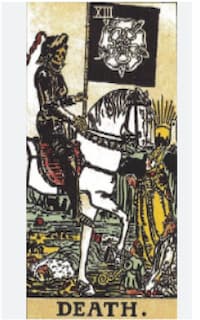
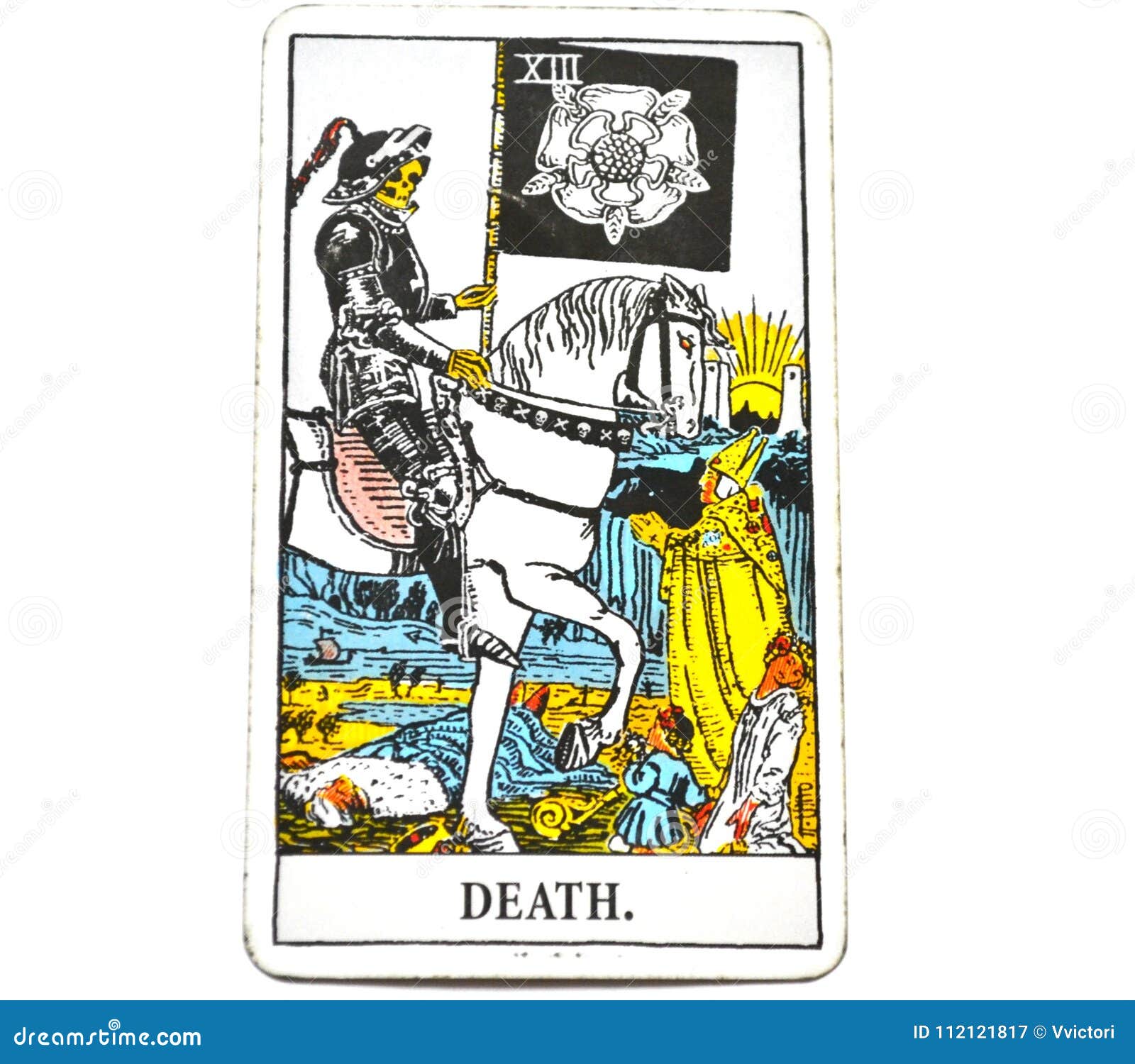
The Death Tarot card, often depicted as a skeletal figure riding a white horse, is one of the most iconic images in the tarot deck. Despite its ominous appearance, the Death card rarely signifies physical death. Instead, it symbolizes metamorphosis, endings, and the natural cycles of life. The skeletal figure represents the impermanence of all things, while the white horse signifies purity and the transformative journey ahead. The rising sun in the background hints at new beginnings, suggesting that what appears to be an end is merely a transition to something greater.
Key symbols include:
- The Skeleton: Represents the inevitability of change and the shedding of old layers.
- The White Horse: Embodies the purity and inevitability of transformation.
- The Falling Figures: Indicate the release of outdated beliefs, relationships, or situations.
- The Rising Sun: A promise of renewal and fresh starts after the completion of a cycle.
In the Rider-Waite-Smith tradition, the Death card is associated with the astrological sign Scorpio, a sign ruled by Pluto, the planet of rebirth and regeneration. This connection reinforces the card’s themes of deep, often challenging, but ultimately liberating change.
Interpretations of the Death Card in Different Contexts
The Death card’s message can vary significantly depending on its position in a spread and the surrounding cards. Below are some common interpretations based on different contexts:
In Love and Relationships
When the Death card appears in a love reading, it often signals the end of a relationship or a significant transformation within it. This could mean the closure of a toxic partnership, the evolution of a long-term commitment, or even the death of old patterns that no longer serve the relationship. It’s a call to let go of what isn’t working and make space for healthier dynamics. If you’re single, the card may indicate a period of self-reflection and personal growth before entering a new relationship.
For those in committed relationships, the Death card encourages open communication about changes that need to occur. It’s not about fearing the end but recognizing that transformation is a natural part of love’s journey. The card asks you to release rigid expectations and embrace the fluidity of your connection.
In Career and Finances
In career readings, the Death card suggests a major shift, such as a job change, career transition, or the end of a professional cycle. This could be a promotion that requires you to leave your comfort zone, a layoff that forces you to reassess your path, or the dissolution of a business venture. While unsettling, these changes often lead to greater fulfillment and alignment with your true purpose.
Financially, the card may indicate the need to cut unnecessary expenses, release old financial habits, or let go of investments that no longer serve you. It’s a reminder that stagnation in your financial life is not sustainable—change is necessary for growth.
In Personal Growth and Spirituality
The Death card is a powerful ally in personal development. It encourages you to confront fears, release limiting beliefs, and embrace your shadow self. This card often appears when you’re on the cusp of a spiritual awakening or a profound inner transformation. It may signal the need to let go of past traumas, forgive yourself or others, or release attachments to identities that no longer resonate with your true self.
Meditation, journaling, and shadow work are particularly beneficial when this card appears. It’s a call to dive deep into your psyche and emerge with a renewed sense of purpose and authenticity.
How to Read the Death Card in a Tarot Spread
Reading the Death card in a spread requires nuance and context. Here’s how to approach it based on its position and surrounding cards:
Upright Death Card
When the Death card appears upright, it’s a clear message to embrace change, even if it feels uncomfortable. This is a time to:
- Release the past: Let go of old grudges, habits, or relationships that no longer serve your highest good.
- Embrace transformation: View change as an opportunity for growth rather than a threat.
- Trust the process: Have faith that endings are necessary for new beginnings to take root.
In a past position, the upright Death card indicates a significant transformation that has already occurred. In the present, it signals that change is imminent. In the future, it suggests that a major shift is on the horizon, and you should prepare accordingly.
Reversed Death Card
When the Death card appears reversed, it often points to resistance to change or an inability to let go. This could manifest as:
- Fear of the unknown: Clinging to familiarity even when it’s no longer healthy.
- Stagnation: Feeling stuck in a rut, whether in your career, relationships, or personal growth.
- Unresolved grief: Holding onto past hurts or losses without allowing yourself to heal.
The reversed Death card is a gentle nudge to examine what you’re holding onto and why. It may also indicate that change is happening slowly or that you’re resisting it unconsciously. This is a call to reflect on your attachments and consider whether they’re serving your highest good.
Practical Advice for Embracing the Death Card’s Message
Understanding the Death card’s message is one thing, but applying it to your life is another. Here are some practical steps to help you navigate the transformations it signifies:
1. Acknowledge Your Feelings
Change, even positive change, can bring up a range of emotions—fear, sadness, excitement, or confusion. Allow yourself to feel these emotions without judgment. Journaling or talking to a trusted friend can help you process what’s arising.
2. Release What No Longer Serves You
Identify the habits, relationships, or beliefs that are holding you back. This might involve setting boundaries, ending toxic connections, or letting go of self-limiting beliefs. Rituals like burning old letters, decluttering your space, or writing a letter of release can symbolize this shedding process.
3. Cultivate a Growth Mindset
View change as an opportunity rather than a threat. Ask yourself: What can I learn from this transition? How can it help me grow? A growth mindset shifts your perspective from one of fear to one of curiosity and possibility.
4. Take Small Steps Forward
Transformation doesn’t happen overnight. Break down your goals into manageable steps and celebrate each small victory. For example, if you’re changing careers, start by researching new fields, updating your resume, or networking with professionals in your desired industry.
5. Seek Support When Needed
Change can feel overwhelming, and it’s okay to ask for help. Whether it’s from a therapist, a mentor, or a supportive community, leaning on others can provide the strength and guidance you need to navigate transitions.
Common Misconceptions About the Death Card
The Death card is often misunderstood, leading to unnecessary fear or avoidance. Here are some common misconceptions and the truth behind them:
Misconception 1: The Death Card Always Predicts Physical Death
Truth: While the Death card can indicate literal death in rare cases, its primary meaning is metaphorical. It’s about the death of old ways, outdated beliefs, or stagnant situations—not the end of life.
Misconception 2: The Death Card is Always Negative
Truth: The Death card is neither good nor bad—it’s neutral. Its energy is transformative, and whether the outcome is positive or negative depends on how you respond to the change it brings.
Misconception 3: The Death Card Means You Have No Control
Truth: While the Death card signifies inevitable change, it doesn’t mean you’re powerless. You have the agency to shape how you respond to transitions and the choices you make during them.
Misconception 4: The Death Card Only Appears in Times of Crisis
Truth: The Death card can appear in readings for minor transformations as well. It might indicate the end of a phase, a shift in perspective, or the completion of a project—all of which are natural parts of life.
Conclusion
The Death Tarot card is a profound reminder that change is an inevitable and necessary part of life. Far from being a harbinger of doom, it’s a symbol of renewal, growth, and the natural cycles of existence. By understanding its symbolism, interpretations, and practical applications, you can learn to embrace its message with courage and openness. Whether it appears in a reading or in your personal journey, the Death card invites you to release what no longer serves you and step boldly into the next phase of your life. Remember, every ending is a new beginning in disguise—trust the process, and allow transformation to guide you toward your highest good.
FAQ
What does the Death Tarot card mean?
The Death Tarot card signifies transformation and change, representing the end of one phase and the beginning of another.
Does the Death card predict physical death?
No, the Death card primarily symbolizes metaphorical endings and transformations, not physical death.
Leave a Reply