Short Answer
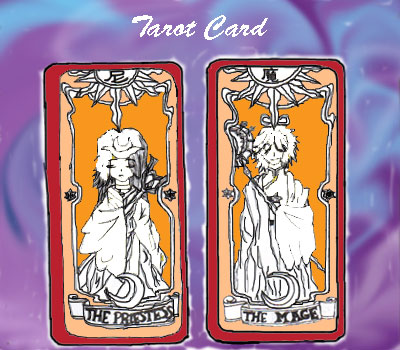
The intersection of tarot symbolism and Clow Cards offers a rich tapestry of meaning, particularly when examined through a Christian lens. The Clow Cards, originating from the popular anime series “Cardcaptor Sakura,” possess unique attributes that evoke fascination among fans and spiritual seekers alike. In this exploration, we will delve deeply into the implications of Clow Cards, their meanings, and how they resonate within the broader context of Christian thought.
At the core of the Clow Cards lies the concept of capturing and harnessing various elemental forces. Each card represents a specific power or phenomenon, ranging from the ethereal “Windy” to the profound “The Light.” This notion mirrors the Christian understanding of divine power and the belief that God’s creation encompasses a multitude of natural forces. The exploration of such elemental powers stirs a curiosity about the divine and invites contemplation on humanity’s relationship with creation.
One can observe that both tarot and Clow Cards offer archetypal themes that resonate with the human experience. The archetypes found within these cards serve as mirrors to self-exploration and personal growth. In Christianity, archetypes embody aspects of the divine plan, offering believers pathways to understand their journey. Clow Cards likewise symbolize courage, wisdom, and the trials inherent in personal development. This parallel invites a dialogue that transcends cultural boundaries, drawing people to seek deeper understanding and connection.
Fundamentally, the fascination with Clow Cards can be attributed to their intricate interplay between light and dark, much like the dualities present in Christian theology. The cards often present moral dilemmas and choices that closely resemble the Biblical narrative. Instances of free will and the quest for redemption are prominent in both narratives. The admirers of Clow Cards often find themselves captivated by the human condition—its struggles and triumphs—echoing the Biblical stories that allude to the redemptive journey one must undertake.
Examining specific Clow Cards reveals more profound insights relevant to Christian doctrine. Consider the card “The Judgment,” which represents revelation and awakening. This card could be juxtaposed with the biblical notion of the final judgment—an eventual reckoning where souls are assessed. In this analysis, both the Clow Card and Christian theology highlight the importance of self-awareness and accountability. The shared consensus of introspection leads to transformation, emphasizing that enlightenment and redemption stem from the same wellspring: personal accountability and divine grace.
Moreover, the card “The Time” invites contemplation on the concept of time as a divine construct. Christianity teaches that time is linear and orchestrated by God, allowing moments to unfold according to His purpose. The manipulation of time within the Clow Card realm provokes queries about predestination, free will, and the divine timeline provided by God. It incites a sense of responsibility as individuals ponder the implications of their choices within a framework of eternal consequence. Here lies a deeper reason for the allure of Clow Cards—the questions they provoke about life’s metaphysical underpinnings resonate with a universal longing for understanding.
The card titled “The Fight” embodies the human struggle against adversity, an omnipresent theme in Christianity. The narrative of Christ’s own trials and tribulations serves as a cornerstone of faith, reinforcing that struggle is an intrinsic part of the human condition. The fight between light and darkness is mirrored in both the Clow Cards and biblical accounts, especially in the fight against sin and temptation. This alignment fosters a kinship between followers of both the Clow universe and the Christian faith, forging connections that underline the shared narrative of the eternal struggle for virtue.
Crucially, the affinity for Clow Cards may arise from their capacity to engage practitioners in a form of playful divination—an exploration of potential outcomes. In a Christian context, this utilitarian approach can be viewed through the lens of seeking wisdom and guidance from God. Just as believers often pray for discernment and direction, engaging with Clow Cards can act as a metaphorical prayer, inviting reflections on choices and the pathways forward. This playful yet profound contemplation encourages a culture of curiosity rather than fear, which enhances the spiritual journey.
In summary, the Clow Cards reveal narratives that resonate with essential tenets within the Christian tradition. By examining the elemental powers, moral choices, and transformative journeys depicted in the cards, a deeper understanding of the human soul emerges—one that grapples with light and darkness, free will and divine purpose. Such reflections expose the shared human experience that unites diverse beliefs, prompting an ongoing quest for meaning. This fascination serves not merely as a spectacle but as an invitation into a greater exploration of one’s spiritual journey.
Ultimately, as individuals traverse through the enchanting symbolism of Clow Cards and find parallels in Christian teachings, they uncover a well of wisdom that encourages introspection and personal growth. The convergence of these themes solidifies the universality of human experience, empowering believers and enthusiasts alike to embrace their spiritual journeys with curiosity and reverence.
FAQ
What are Clow Cards?
Clow Cards are magical cards from the anime ‘Cardcaptor Sakura’, each representing different elemental forces and themes.
How do Clow Cards relate to tarot?
Clow Cards share archetypal themes with tarot, serving as tools for self-exploration and personal growth.
What is the significance of 'The Judgment' card?
‘The Judgment’ card symbolizes revelation and awakening, paralleling the biblical concept of final judgment.
Leave a Reply