Short Answer
Welcome to a journey into the mystical world of the Hermetic Tarot, where ancient wisdom meets modern divination. In this guide, you will uncover the profound meanings behind each card, explore their symbolic language, and understand how this deck bridges the gap between the material and the spiritual. Whether you’re a seasoned tarot reader or a curious seeker, this exploration will illuminate the occult secrets hidden within the Hermetic Tarot’s intricate designs and esoteric philosophy.
The Hermetic Tarot: A Bridge Between Worlds
The Hermetic Tarot is not just a deck of cards; it is a sacred mirror reflecting the universe’s hidden laws. Rooted in Hermeticism—the esoteric philosophy attributed to the legendary Hermes Trismegistus—this deck weaves together alchemical symbolism, astrological correspondences, and Kabbalistic insights. Each card is a microcosm of cosmic truths, where the Major Arcana represents the journey of the soul, and the Minor Arcana mirrors the trials and triumphs of daily life.
Unlike traditional tarot decks, the Hermetic Tarot is steeped in alchemical imagery, where the Fool’s journey is not just a path of personal growth but a transmutation of base matter into spiritual gold. The deck’s visual language is rich with allegories—serpents, suns, and geometric patterns—each holding layers of meaning that invite deep contemplation. This fusion of art and occultism makes the Hermetic Tarot a powerful tool for those seeking to decode the universe’s hidden patterns.
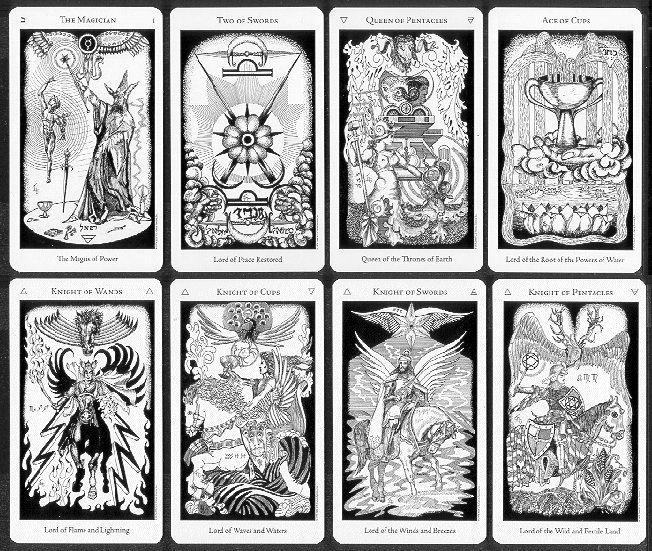
Decoding the Major Arcana: The Soul’s Pilgrimage
The Major Arcana consists of 22 cards, each representing a pivotal stage in the Fool’s journey toward enlightenment. These cards are not merely symbols; they are living archetypes that resonate with the human experience. The Fool, for instance, embodies the spirit of adventure and the willingness to leap into the unknown, while The Magician channels the divine will to manifest reality. The High Priestess, draped in lunar mystery, guards the threshold between the conscious and the subconscious, urging the seeker to trust their intuition.
Each card in the Major Arcana tells a story of transformation. The Tower, with its lightning-struck structure, symbolizes sudden upheaval and the shattering of illusions, while The Star radiates hope and divine guidance, reminding us that even in darkness, the cosmos conspires in our favor. The Hermetic Tarot’s Major Arcana is a roadmap for the soul, guiding the reader through the cycles of life, death, and rebirth.

The Minor Arcana: The Tapestry of Daily Life
While the Major Arcana charts the grand narrative of existence, the Minor Arcana delves into the intricacies of everyday life. Divided into four suits—Wands, Cups, Swords, and Pentacles—each corresponds to an element (Fire, Water, Air, Earth) and reflects different facets of human experience. The Wands, for example, embody passion, creativity, and ambition, while the Cups explore emotions, relationships, and intuition. The Swords cut through illusion with their sharp intellect, and the Pentacles ground us in the material world, reminding us of our connection to the earth.
In the Hermetic Tarot, the Minor Arcana is infused with alchemical symbolism. The Ace of Wands, for instance, is not just a spark of inspiration but the prima materia—the raw potential that must be refined through effort and discipline. The Ten of Pentacles, often depicted as a family gathered in a prosperous home, represents the culmination of material and spiritual wealth, a testament to the Hermetic principle of “As above, so below.”
The Court Cards: Masters of the Elements
The Court Cards—Page, Knight, Queen, and King—are among the most enigmatic figures in the Hermetic Tarot. Each embodies a unique energy tied to the elements and the zodiac. The Knight of Swords, for example, is a whirlwind of intellectual pursuit, while the Queen of Cups is the embodiment of emotional depth and intuitive wisdom. These cards often represent people in the querent’s life or aspects of their own personality that need to be acknowledged or harnessed.
The Hermetic Tarot’s Court Cards are not static; they are dynamic forces that shift with the tides of life. A Page might signify a student or a messenger of new ideas, while a King could represent a master of their craft or a guiding authority. Understanding these cards requires a deep dive into their elemental and astrological associations, revealing the intricate web of influences that shape our reality.
The Alchemical Symbolism: Transmuting the Soul
At the heart of the Hermetic Tarot lies alchemy—the ancient art of transformation. The deck’s imagery is rife with alchemical symbols: the Ouroboros (the serpent eating its tail), the Philosopher’s Stone, and the union of opposites. The Hermit, for instance, is not just a solitary figure but a seeker of hidden knowledge, much like the alchemist who delves into the mysteries of the self. The Temperance card, with its angelic figure pouring liquid between two cups, represents the balance of forces—the alchemical marriage of sulfur and mercury.
This alchemical lens transforms tarot reading from a mere divination tool into a spiritual practice. Each card becomes a step in the Great Work, the alchemical journey toward self-realization. The Hermetic Tarot invites the reader to see their life as a crucible, where trials and tribulations are the fires that forge the soul into its highest potential.
Practical Applications: Reading the Hermetic Tarot
To read the Hermetic Tarot is to engage in a dialogue with the divine. Whether used for meditation, divination, or self-reflection, the deck’s rich symbolism offers endless layers of interpretation. A simple three-card spread—Past, Present, Future—can reveal the alchemical processes at play in one’s life. The Hermetic Tarot also excels in more complex spreads, such as the Celtic Cross, where the interplay of cards can uncover hidden karmic patterns or spiritual lessons.
When interpreting the cards, pay attention to the imagery, colors, and symbols. The Hermetic Tarot’s use of gold, red, and deep blues is not arbitrary; these colors correspond to the alchemical stages of nigredo (blackening), albedo (whitening), and rubedo (reddening). The reader’s intuition is key—let the cards speak to you, and trust the messages that arise from the depths of your subconscious.
Conclusion
The Hermetic Tarot is more than a divination tool; it is a gateway to the occult wisdom of the ages. Through its intricate symbolism and alchemical philosophy, it offers a path to self-discovery, spiritual growth, and a deeper understanding of the universe’s hidden workings. Whether you are drawn to its esoteric allure or its practical applications, the Hermetic Tarot invites you to embark on a journey of transformation—one card at a time.
FAQ
What is the Hermetic Tarot?
The Hermetic Tarot is a tarot deck that integrates ancient Hermetic wisdom and alchemical symbolism, offering insights into both material and spiritual realms.
How do I read the Hermetic Tarot?
Reading the Hermetic Tarot involves interpreting the rich symbols and imagery of the cards, often using spreads to gain deeper insights into life situations.
Leave a Reply