Short Answer
Welcome to a journey into the shadowy, enigmatic world of Dark Emotional & Unusual art. In this guide, you’ll explore the allure of art that thrives in the liminal spaces between melancholy and mystery, the familiar and the surreal. You’ll uncover how metaphor becomes a bridge between emotion and abstraction, and why this genre captivates audiences with its raw, unfiltered intensity. Whether you’re an artist, collector, or simply an admirer of the unconventional, this exploration will deepen your understanding of what makes dark emotional art so profoundly intriguing.
The Essence of Dark Emotional Art: Beyond the Surface
Dark emotional art is not merely about gloom or despair—it’s a visceral expression of the human condition, where shadows become metaphors for inner turmoil, existential questions, and the unspoken. Unlike traditional art that often seeks to uplift or beautify, dark emotional works embrace the raw, the unsettling, and the unusual. They challenge viewers to confront their own emotions, often revealing truths that lie beneath the surface of everyday life.
This genre thrives on contrast: light against darkness, beauty against decay, silence against chaos. Artists in this space use metaphor to transform abstract feelings—loneliness, longing, fear—into tangible, visual experiences. A shattered mirror might symbolize fractured identity, while a stormy sky could represent the tumult of unresolved emotions. The result is an art form that feels deeply personal yet universally relatable, inviting viewers to project their own experiences onto the canvas.
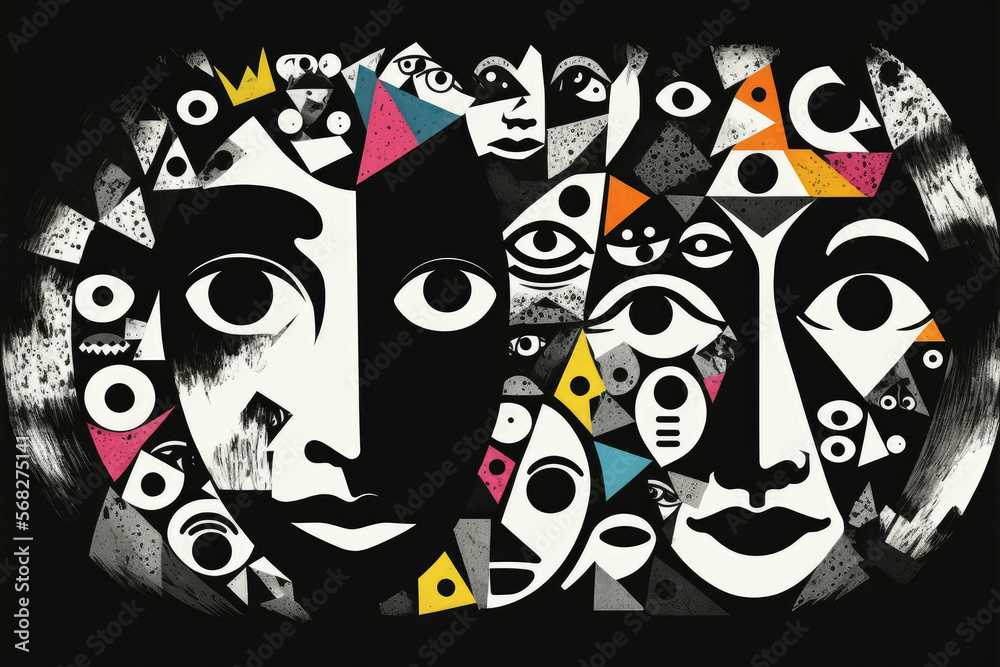
Metaphor as the Heartbeat of Unusual Art
Metaphor is the lifeblood of dark emotional and unusual art. It allows artists to communicate complex emotions and ideas without relying on literal representation. For example, a wilting flower might not just signify decay but also the fragility of hope, while a labyrinth could embody the confusion of navigating life’s challenges. These metaphors create layers of meaning, encouraging viewers to linger and interpret the work on multiple levels.
The power of metaphor in this genre lies in its ability to evoke emotion without explanation. A viewer might not consciously recognize the symbolism, but they’ll feel the weight of the artwork—the tension, the melancholy, or the eerie calm. This emotional resonance is what makes dark art so compelling; it doesn’t just depict a scene—it invites the audience to experience it.

The Unique Appeal of the Unusual in Art
What sets dark emotional art apart is its embrace of the unusual—those elements that defy conventional beauty or narrative. This could manifest as distorted figures, surreal landscapes, or even unsettling color palettes that jar the senses. The unusual isn’t just a stylistic choice; it’s a deliberate rejection of the expected, pushing boundaries to evoke a response that is as much intellectual as it is emotional.
Artists in this space often draw from mythology, folklore, and psychological theories to craft their visions. The result is a body of work that feels both timeless and deeply personal. For instance, a piece might blend classical themes with modern anxieties, creating a dialogue between the past and present. The unusual becomes a tool for exploring identity, memory, and the human psyche in ways that are both haunting and hypnotic.
Why Dark Emotional Art Resonates: The Psychology Behind the Awe
The appeal of dark emotional art lies in its psychological depth. Studies suggest that humans are drawn to art that reflects their inner struggles, as it provides a sense of validation and catharsis. Dark art, in particular, offers a safe space to confront fears, regrets, and unspoken desires. It’s the artistic equivalent of a stormy night—unsettling yet oddly comforting, because it mirrors the chaos we all feel inside.
Additionally, the unusual elements in this genre tap into our fascination with the unknown. The human brain is wired to seek patterns and meaning, even in the most abstract or disturbing imagery. When an artist presents something unfamiliar, it triggers curiosity and engagement, pulling the viewer into a dialogue with the artwork. This is why dark emotional art often feels immersive; it doesn’t just hang on a wall—it invites you to step inside its world.
How to Engage with Dark Emotional & Unusual Art
If you’re new to this genre, approaching dark emotional art can feel daunting. Start by letting go of the need for immediate understanding. Allow the imagery to wash over you, and pay attention to the emotions it stirs. Ask yourself: What does this piece remind me of? What feelings does it evoke? There are no wrong answers—this is art that thrives on subjectivity.
For artists or creators, experimenting with dark emotional themes can be a powerful way to explore personal or societal issues. Try using metaphor to distill complex emotions into visual symbols. Play with contrast in color, texture, and composition to heighten the emotional impact. And don’t shy away from the unusual—embrace the strange, the eerie, and the unsettling, as these are the elements that make the genre so compelling.
Conclusion
Dark emotional and unusual art is more than a visual experience—it’s an emotional journey. It challenges us to look beyond the surface, to find beauty in the unsettling, and to confront the emotions we often bury. Through metaphor and the embrace of the unusual, this genre creates a space where art and psychology intertwine, offering a mirror to our deepest selves.
Whether you’re drawn to the haunting allure of a surreal landscape or the raw intensity of an abstract piece, dark emotional art invites you to explore the full spectrum of human emotion. It’s a testament to the power of art to not only reflect our inner worlds but to transform them. So the next time you encounter a piece that sends a shiver down your spine or leaves you lost in thought, remember: you’re not just looking at art—you’re experiencing a piece of the human soul.
FAQ
What is dark emotional art?
Dark emotional art is a genre that uses metaphor and unusual imagery to express deep, often unsettling human emotions and psychological states.
Why do people find dark emotional art appealing?
People are drawn to dark emotional art because it offers a safe space to confront inner fears and struggles, providing catharsis and emotional resonance.
How can I engage with dark emotional and unusual art?
Approach it with openness, letting the imagery evoke feelings without the need for immediate understanding, and use metaphor and contrast to deepen your interpretation.
Leave a Reply