Short Answer
Welcome to this comprehensive guide on the Death card in relationship spreads. Whether you’re new to tarot or a seasoned reader, understanding the Death card’s role in matters of the heart can offer profound insights. This article will explore its symbolism, interpretations, and how it promises a shift in perspective that can reignite curiosity and transform your relationships. By the end, you’ll have a deeper understanding of how this card influences love, commitment, and personal growth.
The Death Card: Beyond Its Name
The Death card is often misunderstood due to its ominous name, but in tarot, it rarely signifies literal demise. Instead, it represents transformation, endings, and rebirth. In the context of relationships, this card signals a significant shift—one that may feel like the end of a chapter but is actually a precursor to renewal. The Death card encourages you to let go of what no longer serves you, making space for new experiences and deeper connections. Its imagery, often featuring a skeletal figure on horseback, underscores the inevitability of change and the cyclical nature of life.
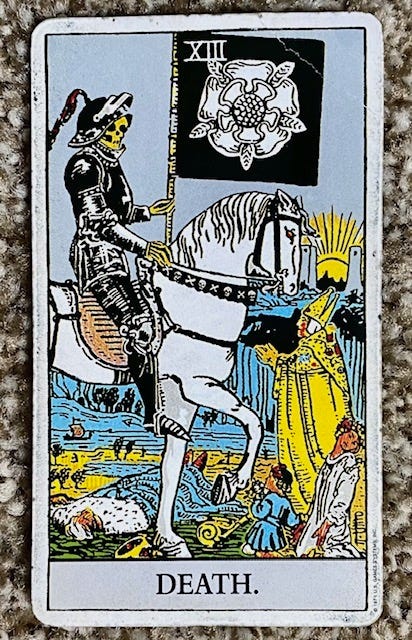
How the Death Card Appears in Relationship Spreads
When the Death card appears in a relationship reading, it can manifest in several ways depending on its position and surrounding cards. If it lands in the present position, it may indicate that a current relationship is undergoing a major transition—perhaps one partner is outgrowing the other, or external circumstances are forcing a reevaluation. In the future position, it suggests that a significant change is on the horizon, one that could lead to a healthier or more authentic dynamic. If paired with cards like The Lovers or Two of Cups, it might highlight the need to release old patterns to make room for a more fulfilling connection.
The Promise of a Shift in Perspective
One of the most compelling aspects of the Death card is its promise of a fresh perspective. Relationships often stagnate when both parties become complacent or resistant to change. The Death card acts as a wake-up call, urging you to examine your beliefs, expectations, and behaviors. It challenges you to ask: What am I holding onto that no longer aligns with my growth? This shift isn’t always easy—it may involve confronting difficult truths or accepting that a relationship has run its course. However, the clarity that follows can be liberating, allowing you to approach love with renewed curiosity and openness.

Piquing Curiosity: What the Death Card Invites You to Explore
The Death card doesn’t just demand change—it invites you to explore it with curiosity rather than fear. In relationships, this might mean asking questions like: What lessons is this ending teaching me? How can I honor the past while embracing the future? It encourages you to view endings not as failures but as necessary steps toward evolution. For example, if you’re questioning a long-term commitment, the Death card might prompt you to reflect on whether your needs are being met or if you’re staying out of habit. By approaching these reflections with an open mind, you can uncover hidden opportunities for growth that you might have otherwise overlooked.
Practical Steps to Embrace the Death Card’s Message
Understanding the Death card’s message is one thing; applying it is another. Here are practical steps to help you navigate its energy in your relationships:
- Reflect on What Needs to End: Journal about the aspects of your relationship that feel stagnant or unfulfilling. Be honest with yourself about what you’re willing to release.
- Communicate Openly: If you’re in a partnership, discuss your feelings with your partner. The Death card thrives in secrecy, so transparency can help both of you navigate the transition together.
- Embrace New Beginnings: After acknowledging what’s ending, focus on what you want to invite into your life. This could mean setting new boundaries, exploring new interests, or even considering a fresh start with someone new.
- Trust the Process: Change can be unsettling, but the Death card reassures you that endings are part of a larger cycle. Trust that what’s meant to be will unfold in its own time.
Common Misconceptions About the Death Card in Love
Many people associate the Death card with doom and gloom, but in relationships, its message is far more nuanced. Here are a few misconceptions to dispel:
- It Always Means a Breakup: While the Death card can indicate the end of a relationship, it doesn’t always mean a literal split. It could signify the end of a phase, such as moving from a casual relationship to something more serious, or letting go of unrealistic expectations.
- It’s a Negative Omen: On the contrary, the Death card is a powerful catalyst for positive change. It clears away the old to make room for the new, which can lead to stronger, more authentic connections.
- It’s About Someone Else’s Death: Unless paired with other cards indicating physical death, the Death card is metaphorical. It’s about emotional or spiritual transformation rather than literal loss.
Conclusion
The Death card in relationship spreads is a profound symbol of transformation, urging you to release what no longer serves you and embrace the unknown with curiosity. While its appearance can feel daunting, it’s ultimately a promise of renewal—a chance to see your relationships (and yourself) with fresh eyes. By understanding its message, you can navigate change with grace, trust the process, and open yourself to the possibilities that lie ahead. Whether you’re experiencing the end of a chapter or the beginning of a new one, the Death card reminds you that every ending is a step toward a more authentic and fulfilling love story.
FAQ
What does the Death card mean in tarot?
The Death card signifies transformation, endings, and rebirth rather than literal death, especially in the context of relationships.
Does the Death card always indicate a breakup?
No, it can also represent the end of a phase in a relationship or the need to release old patterns for growth.
Leave a Reply