Short Answer
The Death card in the Tarot deck is one of the most misunderstood and feared cards, often conjuring images of literal demise. However, this card is far from a harbinger of physical death. Instead, it symbolizes transformation, rebirth, and the inevitable cycles of change that shape our lives. In this guide, you’ll discover the profound metaphorical meaning behind the Death card, explore its unique appeal in readings, and learn how to interpret its powerful message with clarity and confidence. Whether you’re a seasoned Tarot reader or a curious beginner, this exploration will illuminate the deeper truths hidden within this iconic card.
The Death Card: A Metaphor for Radical Transformation
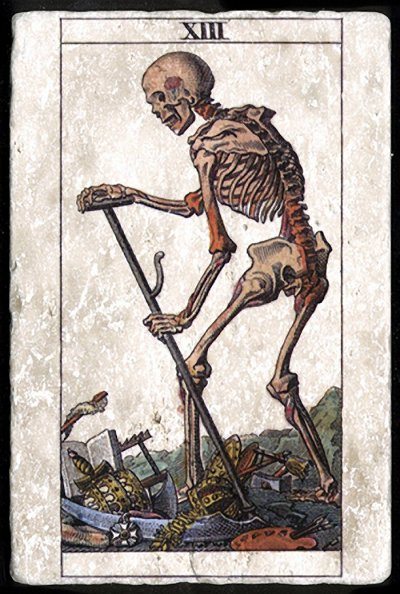
The Death card, numbered XIII in the Major Arcana, is a visual and symbolic representation of endings that pave the way for new beginnings. The imagery often depicts a skeletal figure on horseback, holding a black banner adorned with a white rose—a stark contrast symbolizing the union of life and death. This figure rides through a landscape of fallen figures, suggesting the collapse of old structures to make room for renewal.
At its core, the Death card is not about literal death but about metamorphosis. It signifies the death of outdated beliefs, toxic relationships, stagnant careers, or self-limiting patterns. Just as autumn leaves fall to nourish the soil for spring’s growth, the Death card heralds a necessary shedding of the old to welcome transformation. This process can feel unsettling, but it is ultimately liberating, allowing for personal evolution and spiritual growth.
In readings, the Death card often appears when you’re on the cusp of a major life change—whether it’s a career shift, a relationship ending, or a profound shift in perspective. It encourages you to embrace change rather than resist it, reminding you that every ending is a precursor to a new chapter.
Why the Death Card Holds a Unique Appeal in Tarot Readings
The Death card’s allure lies in its raw honesty and unflinching portrayal of life’s impermanence. Unlike other cards that may offer hope or guidance, Death confronts the reader with the inevitability of change—something humans often fear. This card’s bold symbolism and stark imagery make it unforgettable, drawing attention to the cyclical nature of existence.
One of the reasons the Death card resonates so deeply is its universality. Everyone experiences loss, failure, or transformation at some point, making this card relatable across cultures and backgrounds. Its message is timeless: what may seem like an ending is often a necessary step toward growth. This duality—of destruction and creation—gives the card a poetic, almost mythic quality, elevating it beyond mere symbolism into a profound life lesson.
Moreover, the Death card’s presence in a reading can be a wake-up call. It strips away illusions, forcing you to confront truths you might have ignored. While this can be intimidating, it also provides a rare opportunity for clarity and empowerment. The card’s unique appeal lies in its ability to cut through denial, offering a clear path forward when you’re stuck in uncertainty.
Interpreting the Death Card: Common Scenarios and Meanings
When the Death card appears in a Tarot spread, its meaning can vary depending on its position and the surrounding cards. Here are some common interpretations:
- Endings and Closures: The Death card often signals the conclusion of a chapter in your life. This could be the end of a job, a relationship, or a phase of personal development. While endings can feel painful, they are essential for progress.
- Transformation and Rebirth: This card highlights a period of significant change. You may be shedding old habits, beliefs, or identities to embrace a new version of yourself. The transformation might feel abrupt, but it’s necessary for your evolution.
- Resistance to Change: If you’re resisting a major life transition, the Death card serves as a reminder that change is inevitable. Fighting it only prolongs the discomfort; surrendering to the process allows for smoother transitions.
- Spiritual Awakening: In a spiritual context, the Death card can indicate a profound awakening or a shift in consciousness. You may be letting go of outdated spiritual beliefs or embracing a new path of enlightenment.
- Letting Go of the Past: The Death card encourages you to release grudges, regrets, or attachments to past experiences. Holding onto these burdens only weighs you down; forgiveness and release are key to moving forward.
It’s important to note that the Death card rarely signifies physical death unless it appears alongside other ominous cards in a specific context (e.g., health readings). In most cases, its message is about metaphorical death—the death of old ways of thinking or being.
The Death Card in Different Tarot Decks: Variations and Symbolism
While the core meaning of the Death card remains consistent across Tarot decks, its imagery and symbolism can vary, adding layers of interpretation. For example:
- Rider-Waite-Smith Deck: The most iconic depiction features a skeletal knight riding a white horse, symbolizing purity and inevitability. The fallen figures in the background represent societal structures crumbling to make way for renewal.
- Thoth Tarot Deck: Designed by Aleister Crowley and Lady Frieda Harris, this deck portrays Death as a skeletal figure with a scythe, but the imagery is more abstract and esoteric, emphasizing the card’s connection to alchemical transformation.
- Modern and Thematic Decks: Many contemporary decks reimagine the Death card with unique twists. Some depict it as a phoenix rising from ashes, a butterfly emerging from a cocoon, or even a digital glitch symbolizing the collapse of old systems in a technological age.
These variations highlight the Death card’s adaptability, allowing it to resonate with different spiritual traditions and personal interpretations. Whether the imagery is traditional or avant-garde, the underlying message remains the same: change is the only constant, and resistance is futile.

How to Work with the Death Card in Readings and Personal Growth
Encountering the Death card in a reading is an invitation to reflect on your life and embrace the changes it signals. Here’s how you can work with its energy for personal growth:
- Embrace Change, Don’t Fear It: The Death card teaches that change, while often uncomfortable, is a natural part of life. Instead of resisting it, ask yourself: What is this change trying to teach me?
- Release What No Longer Serves You: Identify habits, relationships, or beliefs that are holding you back. The Death card encourages you to let go of these burdens to make space for new opportunities.
- Trust the Process: Transformation can feel chaotic, but the Death card reassures you that every ending is part of a larger, meaningful journey. Trust that you’re being guided toward a better version of yourself.
- Use Rituals for Closure: To honor the Death card’s energy, create rituals that symbolize release. This could be writing down what you’re letting go of and burning the paper, or meditating on the changes you wish to embrace.
- Seek Support When Needed: If the Death card’s message feels overwhelming, don’t hesitate to seek guidance from a therapist, mentor, or trusted friend. Sometimes, talking through your feelings can provide clarity.
By working with the Death card’s energy, you can transform fear into empowerment, uncertainty into opportunity, and endings into new beginnings.
Conclusion
The Death card in the Tarot is a powerful reminder that life is a series of cycles—endings and beginnings, loss and renewal. Far from being a symbol of doom, it is a beacon of transformation, urging you to shed what no longer serves you and embrace the unknown with courage. Its unique appeal lies in its unflinching honesty and its ability to cut through illusion, offering a path to growth and self-discovery.
Whether it appears in a reading or resonates with you on a personal level, the Death card challenges you to confront change head-on. By understanding its metaphorical meaning, you can navigate life’s transitions with grace and wisdom, knowing that every ending is a step toward a brighter, more authentic future. So the next time the Death card crosses your path, remember: it’s not a warning of destruction, but an invitation to rise, renewed.
FAQ
What does the Death card in Tarot represent?
The Death card symbolizes transformation, change, and the end of old patterns rather than physical death.
Is the Death card a negative card in Tarot readings?
No, the Death card is often seen as a positive indication of necessary change and personal evolution.
How should I interpret the Death card in a reading?
Interpret it as a signal for transformation, urging you to embrace change and let go of what no longer serves you.
Leave a Reply