Short Answer
In this guide, you’ll explore the fascinating world of elements interpretations and juxtaposition, with a special focus on poses. You’ll learn how to creatively combine contrasting elements to craft visually striking compositions, whether in photography, art, or everyday life. By the end, you’ll be equipped with playful questions to spark your imagination and a challenge to test your newfound skills. Let’s dive into the art of blending opposites and discover how juxtaposition can transform ordinary scenes into extraordinary visual stories.
Understanding Elements Interpretations
Elements interpretations refer to the way we perceive and assign meaning to visual components in a composition. These elements—such as light, shadow, color, texture, and form—serve as the building blocks of any artistic or photographic work. By interpreting these elements, you can convey emotions, tell stories, and create depth in your images. For example, a single beam of light breaking through darkness can symbolize hope or revelation, while rough textures might evoke ruggedness or resilience. Understanding how to interpret these elements allows you to manipulate viewer perception and craft more compelling narratives.
The Power of Juxtaposition in Art and Photography
Juxtaposition is the art of placing two contrasting elements side by side to highlight their differences and create a striking visual impact. This technique is widely used in photography, painting, and even literature to draw attention to specific themes or emotions. For instance, pairing a delicate flower with a rusted metal surface can emphasize themes of beauty and decay, while combining a child’s laughter with an elderly person’s silence might evoke a sense of nostalgia or the passage of time. Juxtaposition forces the viewer to engage more deeply with the image, as they subconsciously compare and contrast the elements presented.
Poses as a Tool for Juxtaposition
Poses can be a powerful way to explore juxtaposition, especially in portrait photography or staged scenes. By positioning subjects in contrasting ways—such as a relaxed pose next to a tense one, or a graceful gesture alongside a clumsy one—you can create dynamic and thought-provoking compositions. For example, imagine a dancer mid-leap juxtaposed with a statue-like figure standing still. The contrast between movement and stillness can evoke a sense of freedom versus constraint. Similarly, pairing a formal suit with bare feet can challenge societal norms and spark curiosity. Poses allow you to play with expectations and push the boundaries of conventional visual storytelling.
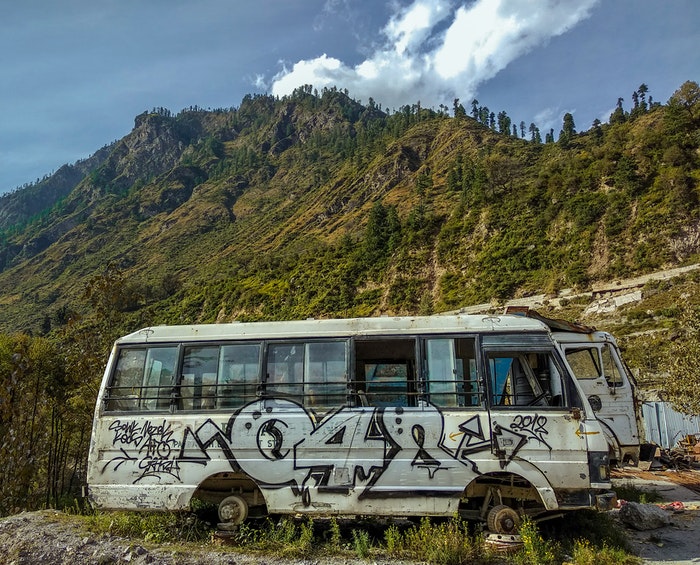
In this image, the juxtaposition of the soft, vibrant flower against the rough, aged metal creates a striking contrast. The delicate petals symbolize life and beauty, while the rusted surface represents decay and time. This visual tension invites the viewer to reflect on the impermanence of life and the resilience of nature.
Playful Questions to Spark Creativity
To deepen your understanding of juxtaposition and elements interpretations, try asking yourself these playful questions while creating or analyzing compositions:
- What happens when I combine two opposites? For example, light and dark, old and new, or smooth and rough. How does this contrast change the mood of the image?
- How can I use poses to emphasize differences? Can a relaxed pose next to a tense one tell a story about inner conflict?
- What emotions do I want to evoke? Juxtaposition can amplify feelings like joy, sadness, or curiosity—how can I use it to guide the viewer’s emotional response?
- What happens if I break a rule? For instance, what if I place a subject in an unexpected context, like a ballerina dancing in a junkyard?
These questions are designed to challenge your perspective and encourage you to experiment with unconventional combinations. The more you play with these ideas, the more intuitive juxtaposition will become in your creative process.
The Juxtaposition Challenge: Test Your Skills
Ready to put your newfound knowledge to the test? Here’s a challenge to push your creativity:
Create a series of three photographs that explore juxtaposition using poses and elements interpretations. Your series should include:
- A portrait where the subject’s pose contrasts with their surroundings (e.g., a person sitting still in a chaotic environment).
- A still-life composition that pairs two opposing textures or colors (e.g., a glass vase next to a rough stone).
- A staged scene where two subjects or objects are juxtaposed to tell a story (e.g., a child holding an old man’s hand).
For each photograph, write a brief explanation of the choices you made and how the juxtaposition enhances the narrative. Share your series with others and ask for their interpretations—you might be surprised by the different meanings they find!
Conclusion
Juxtaposition and elements interpretations are powerful tools that can elevate your creative work from ordinary to extraordinary. By understanding how to combine contrasting elements—whether through poses, colors, textures, or contexts—you can craft images that captivate, challenge, and inspire. Remember to experiment fearlessly, ask playful questions, and embrace the unexpected. The more you practice, the more intuitive these techniques will become, allowing you to tell richer, more compelling visual stories. Now, grab your camera or sketchbook, and start exploring the endless possibilities of juxtaposition today!
FAQ
What is juxtaposition in art?
Juxtaposition in art refers to placing contrasting elements side by side to highlight their differences and create a striking visual impact.
How can I use poses to create contrast in photography?
By positioning subjects in contrasting poses, such as relaxed versus tense, you can create dynamic and thought-provoking compositions.
Leave a Reply