Short Answer
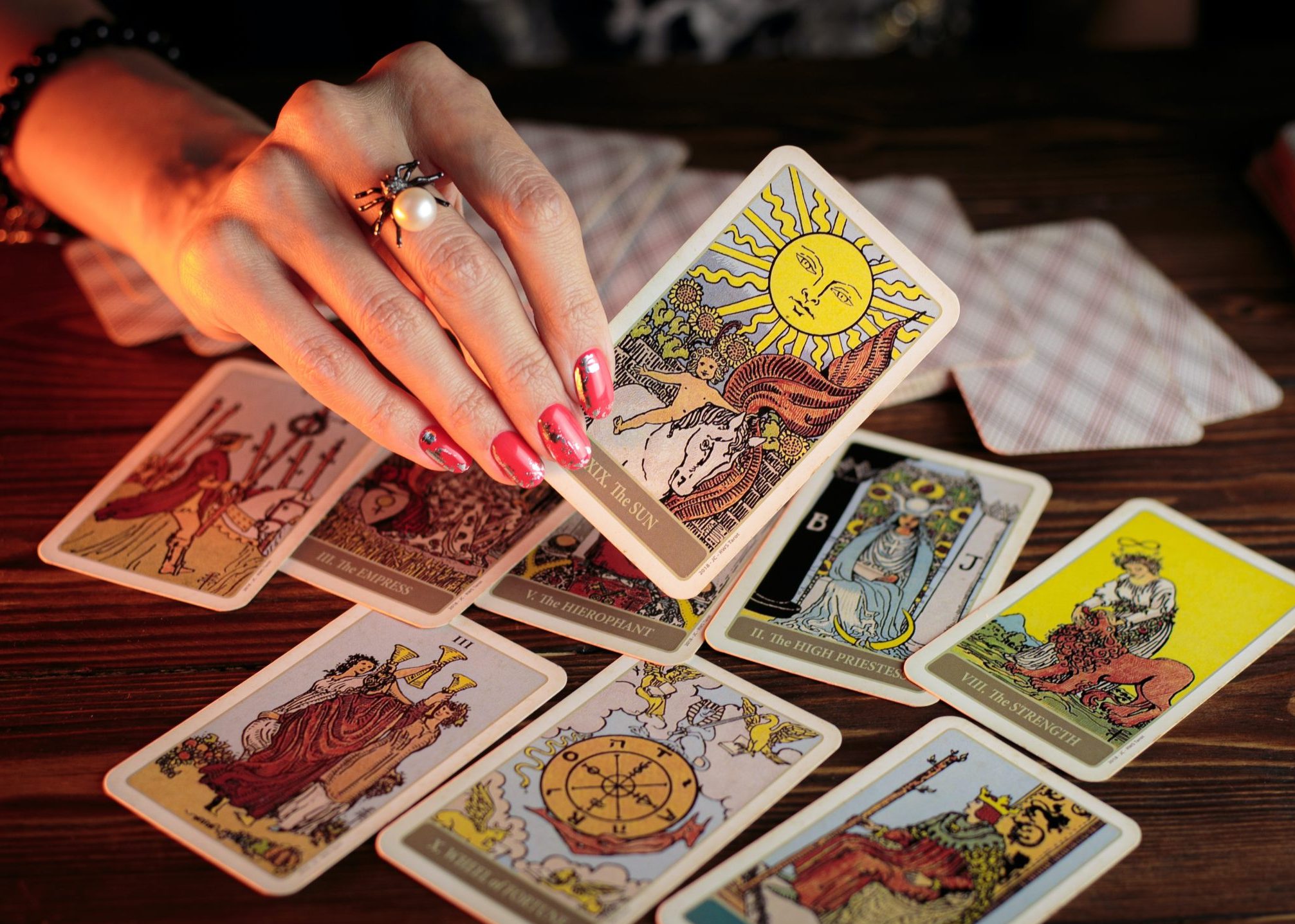
Have you ever stared into a tarot card and felt like the eyes were staring back at you? There’s something unsettling—and fascinating—about the way tarot imagery often fixates on the gaze. Whether it’s the piercing eyes of The Magician, the watchful stare of The High Priestess, or the all-seeing orb of The World, eyes in tarot aren’t just decorative. They’re a portal to deeper meaning, a challenge to perception, and sometimes, a playful trick of the mind. In this guide, we’re peeling back the layers of the “Eye Tarot” phenomenon to explore what you might be missing when you draw a card that seems to watch you back. From symbolic interpretations to practical readings, we’ll uncover why these images demand your attention—and what they might be trying to tell you.
The Symbolism of Eyes in Tarot: More Than Meets the Eye
Eyes in tarot are rarely accidental. They serve as a visual anchor, drawing your focus to the card’s core message. In many decks, the eyes represent intuition, perception, and the unseen. For example, The High Priestess often features a crescent moon beneath her feet and a veil behind her, but her eyes—sometimes half-hidden, sometimes piercing—hint at the mysteries she guards. They symbolize the subconscious mind, the part of you that “knows” without words.
In The Magician, the eyes can reflect the duality of creation: one eye open to the material world, the other closed to the spiritual. This duality invites you to question what you’re focusing on versus what you’re ignoring. Meanwhile, cards like The Hermit or Justice may use eyes to emphasize introspection or the weight of judgment. Even minor arcana cards like The Two of Swords often depict a figure blindfolded, their eyes covered—suggesting a refusal to see the truth until they’re ready.
But eyes in tarot aren’t just about sight; they’re about perception. They challenge you to look beyond the obvious, to ask: What am I not seeing in this situation? Whether it’s a blind spot in your relationships, a hidden opportunity in your career, or an unconscious bias, the eyes in tarot act as a mirror, reflecting back what you’ve overlooked.
Common Tarot Cards Featuring Eyes and Their Meanings
Not all tarot cards with eyes carry the same message. Here’s a breakdown of the most iconic ones and what their gaze might be trying to communicate:
The High Priestess
The High Priestess is the guardian of hidden knowledge, and her eyes—often half-lidded or shadowed—embody this role. If this card appears in a reading, it’s a sign to trust your intuition. The eyes suggest that answers aren’t found in logic alone but in the quiet whispers of your subconscious. Are you dismissing a gut feeling because it doesn’t fit your “rational” narrative?
The Magician
The Magician’s eyes can be intense, even hypnotic, reflecting his mastery over the elements. This card’s gaze asks: Where are you directing your energy? Are you using your skills to manifest your desires, or are you scattering your focus? The Magician’s eyes remind you that perception shapes reality—so what you choose to see (or ignore) directly impacts your outcomes.
The Hermit
The Hermit’s hood often obscures his face, but if his eyes are visible, they’re a beacon of wisdom. This card’s gaze is introspective, urging you to look inward. The Hermit’s eyes ask: What truth have you been avoiding? They highlight the importance of solitude and self-reflection in uncovering deeper insights.
The Two of Swords
In the Two of Swords, the figure’s blindfolded eyes symbolize indecision or denial. The card’s message is clear: you can’t see the full picture because you’re refusing to confront a difficult truth. The eyes here aren’t about vision but about choice—are you willing to remove the blindfold, or will you keep your eyes closed?
The Star
The Star’s eyes are often soft and hopeful, reflecting her promise of renewal. This card’s gaze is uplifting, reminding you that even in darkness, there’s light. The Star’s eyes ask: Where do you place your faith? Are you trusting the universe’s timing, or are you clinging to doubt?
Why Do Some Tarot Cards Stare Back at You? The Psychology Behind the Gaze
The phenomenon of tarot cards “watching” you isn’t just artistic flair—it’s rooted in psychology. Studies on the “uncanny valley” show that humans are wired to react strongly to faces (or face-like shapes) that seem almost human but not quite. When a tarot card’s eyes follow you, it triggers a primal response: Is this thing alive? This reaction forces you to engage more deeply with the card, making its message harder to ignore.
From a symbolic standpoint, the staring eyes in tarot can represent:
- Accountability: The eyes force you to confront your own perceptions and biases.
- Awareness: They highlight what you’ve been overlooking, whether intentionally or not.
- Challenge: The gaze can feel like a dare—”Are you brave enough to see the truth?”
In a reading, if multiple cards feature eyes, it’s a sign that the universe is urging you to pay attention. Ignoring the message might lead to missed opportunities or unresolved issues.
How to Work with Eye Tarot Cards in Readings
When an eye-centric tarot card appears in your spread, don’t just gloss over it. Here’s how to dive deeper:
1. Ask Direct Questions
Instead of vague queries like “What do I need to know?” try:
- “What truth am I avoiding seeing?”
- “Where am I directing my energy unconsciously?”
- “What hidden opportunity is the universe trying to show me?”
The eyes in the card will guide your focus—literally. If the card’s gaze is intense, it’s pointing to a high-stakes area of your life.
2. Journal About the Card’s Gaze
Close your eyes and imagine the card’s eyes staring into yours. Write down:
- What emotions come up?
- What memories or situations does the card remind you of?
- Are there any people in your life who embody the energy of this card’s gaze?
This exercise can reveal subconscious patterns or fears tied to the card’s message.
3. Use the Card as a Meditation Focus
Place the card in front of you and gaze at the eyes. Breathe deeply and ask:
- “What is this card trying to teach me about perception?”
- “How can I apply this insight to my current situation?”
Let the card’s energy guide your thoughts. You might be surprised by the clarity that follows.
4. Reverse the Gaze
Flip the question: Instead of asking what the card’s eyes are showing you, ask what you’re seeing in the card. Are you projecting your own fears or desires onto the image? The eyes might be reflecting back your own state of mind.
Challenges Posed by Eye Tarot Cards: Are You Ready to See?
The eyes in tarot aren’t just passive symbols—they’re active challenges. Here are some potential hurdles they might present:
The Illusion of Control
Cards like The Magician or The Emperor often feature commanding gazes, symbolizing power and authority. But what if the challenge isn’t about taking control—it’s about surrendering it? The eyes might be asking: Are you holding onto the reins too tightly? Sometimes, the real magic happens when you let go.
Facing the Shadow
The eyes in cards like The Tower or The Devil can feel accusatory or judgmental. They force you to confront aspects of yourself you’d rather ignore—addictions, toxic patterns, or self-sabotage. The gaze here isn’t cruel; it’s an invitation to heal. But are you ready to look?
The Paradox of Perception
Some eye-centric cards, like The Chariot or The Wheel of Fortune, depict dynamic gazes that seem to shift depending on your angle. This reflects life’s paradoxes: Is this situation a setback or a setup for something greater? The eyes challenge you to hold space for ambiguity.
Practical Exercises to Deepen Your Connection with Eye Tarot
Want to make the most of eye tarot cards? Try these hands-on exercises:
1. The “Staring Contest” Spread
Draw three cards and place them in a line. Stare at the middle card’s eyes for 30 seconds. Then, without looking, draw a card to represent:
- What the left card sees in you.
- What the right card sees in you.
This spread reveals how others perceive you—and where your blind spots lie.
2. Blindfolded Tarot Pull
Shuffle your deck while focusing on a question about perception. Pull a card blindly and, without looking, describe what you imagine its eyes look like. Then, reveal the card and compare your mental image to the actual one. How accurate was your intuition?
3. The “Third Eye” Activation
Hold a card with prominent eyes (like The High Priestess or The Hermit) to your third eye (forehead) while meditating. Visualize the card’s energy merging with your intuition. Ask for clarity on a specific issue, then journal any insights that arise.
Conclusion: What the Eyes Are Trying to Tell You
The eyes in tarot are more than artistic details—they’re gateways to deeper understanding. Whether it’s The High Priestess nudging you toward intuition, The Magician challenging your focus, or The Two of Swords reminding you to confront denial, these gazes demand your attention. They ask you to look closer, to question your perceptions, and to embrace the uncomfortable truths hiding in plain sight.
Next time you draw a tarot card with striking eyes, don’t turn away. Instead, meet its gaze head-on. Ask yourself: What am I not seeing? The answer might just change everything.
FAQ
What does the gaze of tarot cards signify?
The gaze of tarot cards often symbolizes intuition and perception, challenging readers to look beyond the obvious and confront hidden truths.
How can I work with eye tarot cards during readings?
You can ask direct questions, journal about your emotions, use the card as a meditation focus, and explore what you see in the card’s gaze.
FAQ
What does the gaze of tarot cards signify?
The gaze of tarot cards often symbolizes intuition and perception, challenging readers to look beyond the obvious and confront hidden truths.
How can I work with eye tarot cards during readings?
You can ask direct questions, journal about your emotions, use the card as a meditation focus, and explore what you see in the card’s gaze.
Leave a Reply