Short Answer
The Grand Tableau is one of the most powerful and comprehensive spreads in tarot and Lenormand reading. Unlike smaller spreads that focus on specific questions, the Grand Tableau offers a complete snapshot of a situation by laying out all 78 tarot cards (or 36 Lenormand cards) in a structured grid. This spread reveals hidden influences, past-present-future dynamics, and even potential outcomes in a single reading. In this guide, you’ll learn what the Grand Tableau is, how to interpret it, and what types of insights you can expect from such a deep and expansive reading.
What Is the Grand Tableau?
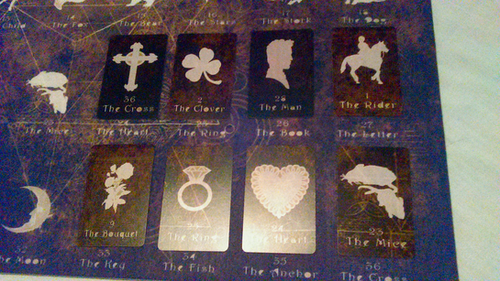
The Grand Tableau is a full-deck tarot spread that uses every card in the deck to create a detailed narrative about a person’s life, situation, or question. In tarot, it typically consists of 78 cards arranged in a specific pattern—often a 12-card row with 6 cards in the second row and 4 in the third, forming a rectangular shape. Each position represents different aspects of life, such as the past, present, future, challenges, and subconscious influences. For Lenormand readers, the Grand Tableau uses 36 cards arranged in a similar grid, focusing more on everyday situations and linear storytelling. Whether using tarot or Lenormand, the Grand Tableau provides a holistic view that connects all elements of a reading into a cohesive story.
Types of Insights You Can Gain from a Grand Tableau
A Grand Tableau reading is rich with information, offering multiple layers of meaning. Here are the key types of insights you can expect:
1. Life Overview and Major Themes
The Grand Tableau acts as a life map, highlighting dominant themes such as love, career, health, and personal growth. Major arcana cards often appear in key positions, signaling pivotal life events or spiritual lessons. For example, The Fool in the past row may indicate a new beginning, while The Tower in the future row could suggest an unexpected change. By analyzing the overall distribution of cards, you can identify recurring motifs that define the current life chapter.
2. Past, Present, and Future Timeline
Many Grand Tableau layouts include positions that represent time phases. The first row often reflects the past, the second the present, and the third the future. This structure allows you to trace how events have unfolded and where they are headed. A card like The Three of Cups in the past might indicate a joyful event, while The Five of Pentacles in the future could warn of financial difficulty. This timeline helps you understand cause-and-effect relationships in your life.

3. Hidden Influences and Subconscious Patterns
One of the most valuable aspects of the Grand Tableau is its ability to reveal hidden influences—factors you may not be consciously aware of. Cards in less obvious positions, such as the corners or the center, often represent subconscious fears, desires, or external pressures. For instance, The Hermit in a corner might suggest isolation or introspection, while The Queen of Swords in the center could indicate a need for clear thinking. These insights help you recognize underlying dynamics that shape your decisions and emotions.
4. Relationship Dynamics
If the reading pertains to a relationship—whether romantic, familial, or professional—the Grand Tableau can map out the dynamics between involved parties. Cards representing each person (e.g., The Lovers for romance or The Hierophant for authority figures) can show compatibility, conflicts, or unspoken tensions. For example, The Two of Swords between two people might indicate a stalemate or avoidance of confrontation, while The Six of Cups could suggest nostalgia or unresolved history.
5. Challenges and Obstacles
The spread highlights potential roadblocks and lessons you need to address. Difficult cards like The Ten of Swords or The Devil often appear in positions that symbolize challenges or karmic debts. By identifying these cards, you can prepare for obstacles or work on transforming negative patterns. For instance, The Eight of Wands in a challenging position might indicate sudden conflicts, while The Star in a supportive position could offer hope and guidance.
6. Advice and Guidance
Many Grand Tableau layouts include a “advice” or “outcome” position, offering clear guidance for the querent. This card acts as a compass, suggesting the best path forward. For example, The Chariot might advise taking control of your direction, while The Temperance card could encourage balance and patience. Even if the advice card seems neutral, its surrounding cards provide context to refine the message.
How to Interpret a Grand Tableau Reading
Interpreting a Grand Tableau requires a methodical approach. Start by familiarizing yourself with the layout’s structure—know which positions represent time phases, people, or challenges. Then, examine each card individually, noting its traditional meaning and how it interacts with adjacent cards. Look for patterns, such as clusters of cups (emotions) or swords (intellect), which can highlight dominant energies. Pay attention to card reversals if you use them, as they often signify blocked energy or internal resistance. Finally, synthesize the information into a cohesive narrative that tells the story of the querent’s life or situation.
Common Mistakes to Avoid
While the Grand Tableau is incredibly insightful, it’s easy to misinterpret without proper guidance. One common mistake is overanalyzing every single card without considering the bigger picture. Focus on the dominant themes and how they connect rather than nitpicking minor details. Another pitfall is ignoring the relationships between cards—adjacent cards often modify each other’s meanings. For example, The Moon next to The Tower might soften the impact of sudden change by introducing intuition or illusion. Lastly, avoid reading the spread as a fixed prediction; instead, view it as a fluid map that can shift with new choices and circumstances.

Who Should Use the Grand Tableau?
The Grand Tableau is best suited for experienced readers or those willing to invest time in learning its intricacies. Beginners may find it overwhelming due to the sheer volume of cards and potential interpretations. However, even novice readers can benefit from simplified versions, such as using only the major arcana or focusing on a few key positions. The spread is ideal for deep self-reflection, major life decisions, or exploring complex situations where a broad perspective is needed. It’s also valuable for relationship readings, career assessments, and spiritual growth inquiries.
Conclusion
The Grand Tableau is more than just a tarot or Lenormand spread—it’s a profound tool for self-discovery and clarity. By laying out the entire deck, it provides a complete picture of your life’s current chapter, revealing hidden influences, past patterns, and future possibilities. Whether you’re seeking answers about love, career, or personal growth, this spread offers unparalleled depth and insight. While it requires patience and practice to master, the rewards are immense: a clearer understanding of your path and the wisdom to navigate it with confidence. Embrace the Grand Tableau as a gateway to deeper self-awareness and transformative guidance.
Leave a Reply