Short Answer
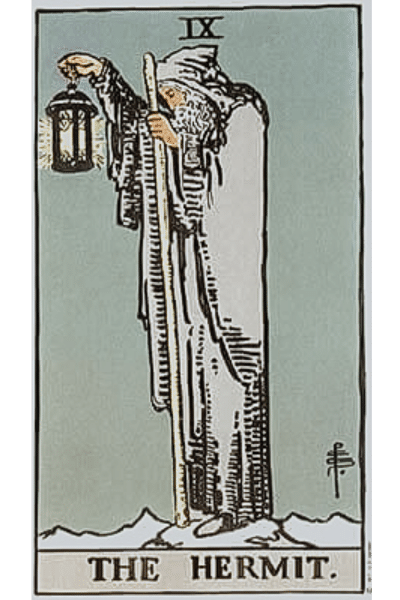
The Hermit card, a pivotal figure in the Tarot deck, evokes profound contemplation and introspection. Dressed in somber, earthy garments, the Hermit is typically depicted as holding a lantern that emits a warm, guiding light, symbolizing illumination of the inner self. This card often invokes an immediate sense of solitude, prompting reflections on themes of self-discovery and personal growth.
In its upright position, the Hermit signifies a period of withdrawal and reflection, inviting individuals to step back from the chaos of daily life. Society often pressures individuals to engage with the external world continuously, yet the Hermit reminds us that true wisdom comes from within. A common observation among those who draw this card is the recognition of a need for solitude—a state often misconstrued as loneliness. However, the Hermit encourages believers to reframe this sentiment. In quietude, one may uncover layers of the self that often lie dormant under the clamor of social obligations.
Delving deeper into the symbolism of the Hermit, we observe the lantern he holds. This light serves not only as a beacon in the darkness but also as a metaphor for knowledge and enlightenment. It suggests that the journey inward is fraught with uncertainty, yet it is essential for personal evolution. Many are drawn to the image of the Hermit due to an intrinsic understanding that the answers they seek cannot be found externally, whether in the hustle of daily interactions or the noise of societal expectations.
Moreover, the presence of the Hermit in a reading often signals a pivotal point in one’s life journey. Individuals may find themselves at a crossroads, faced with decisions that will shape their future. The Hermit acts as a guide, urging contemplation over impulsivity. This phase offers an opportunity to cultivate clarity of thought, enabling decisions that resonate deeply with one’s true essence rather than superficial desires.
The Hermit also embodies the archetype of the seeker—the one in pursuit of higher truths. Through meditation, self-reflection, or spiritual practices, those influenced by this card may engage in transformative rituals that foster a richer understanding of their place in the world. The allure of this card lies in its invitation to explore the esoteric and spiritual realms, which often captivate seekers of truth. It hints at deeper reasons for fascination; in a world driven by material gain, the Hermit’s journey points to the enduring value of the intangible.
Conversely, when the Hermit appears in reverse, the card can signify isolation taken to extremes or an aversion to self-reflection. It may indicate a person who is shunning the introspective journey, clinging instead to external distractions. This refusal to engage with one’s inner world can lead to stagnation, a prevalent theme among those who resist the insights the Hermit offers. Individuals might recognize the rigidity of their worldview, often noting how their denial of solitude has resulted in a superficial existence devoid of deeper meaning.
Interestingly, while the Hermit is often perceived as a solitary figure, he also represents the interconnectedness of the human experience. Every seeker, in their quest for knowledge, is part of a larger tapestry of humanity—each individual’s story adding color and texture to the overall narrative. As one embraces the lessons of the Hermit, they come to understand that, although the journey may be solitary, it inherently cultivates shared wisdom and universal truths.
The allure of the Hermit card extends beyond its immediate narrative; it speaks to the existential human condition. In the frenetic pace of modern life, individuals often experience a resonant chord with the theme of wanting to withdraw, to find moments of silence amid the cacophony. The Hermit captures the essence of self-care and the rejection of toxic hustle culture. In its presence, one is gently reminded that rest is not a luxury but a necessity for the soul’s rejuvenation.
The card’s rich symbolism and layers of meaning present a compelling draw for Tarot enthusiasts and newcomers alike. In readings, it often serves as a catalyst for dialogue about personal quests, spiritual awakenings, and the profound beauty found in stillness. The acknowledgement of the Hermit not only enhances one’s understanding of Tarot’s depth but also serves as an invitation to explore the uncharted territories of one’s mind and spirit.
As we navigate the complexities of our existence, the Hermit encourages us to embrace our inner journeys wholeheartedly. It calls for an amalgamation of introspection and illumination, urging seekers to cultivate their own flames of wisdom. The invitation is clear: take the time to turn inward, seek solace in silence, and allow the light of understanding to guide your path. To draw the Hermit is not merely a reflection of one’s current state; it is an actionable summons to embark on a journey of discovery, capturing the essence of spiritual and personal evolution. Ultimately, the Hermit card illuminates the profound truth that within each of us lies a wealth of knowledge waiting to be unveiled.
FAQ
What does the Hermit card symbolize in Tarot?
The Hermit card symbolizes introspection, solitude, and the pursuit of inner wisdom, encouraging reflection and personal growth.
What does the Hermit card mean when drawn in reverse?
When drawn in reverse, the Hermit may indicate extreme isolation or avoidance of self-reflection, leading to superficiality.
Leave a Reply