Short Answer
In this comprehensive guide, you’ll explore the profound symbolism and interpretations of two powerful tarot cards: The Hermit and The Emperor. Often confused or conflated due to their solitary and authoritative natures, these cards carry distinct energies that can guide personal growth, decision-making, and spiritual insight. Whether you’re a seasoned tarot reader or a curious beginner, understanding the nuances between these cards will deepen your connection to their messages. You’ll learn how each card reflects different stages of wisdom, leadership, and introspection, and how their meanings shift when reversed. By the end, you’ll be equipped to interpret their appearances in your readings with clarity and confidence.
The Hermit: A Journey of Solitude and Inner Wisdom
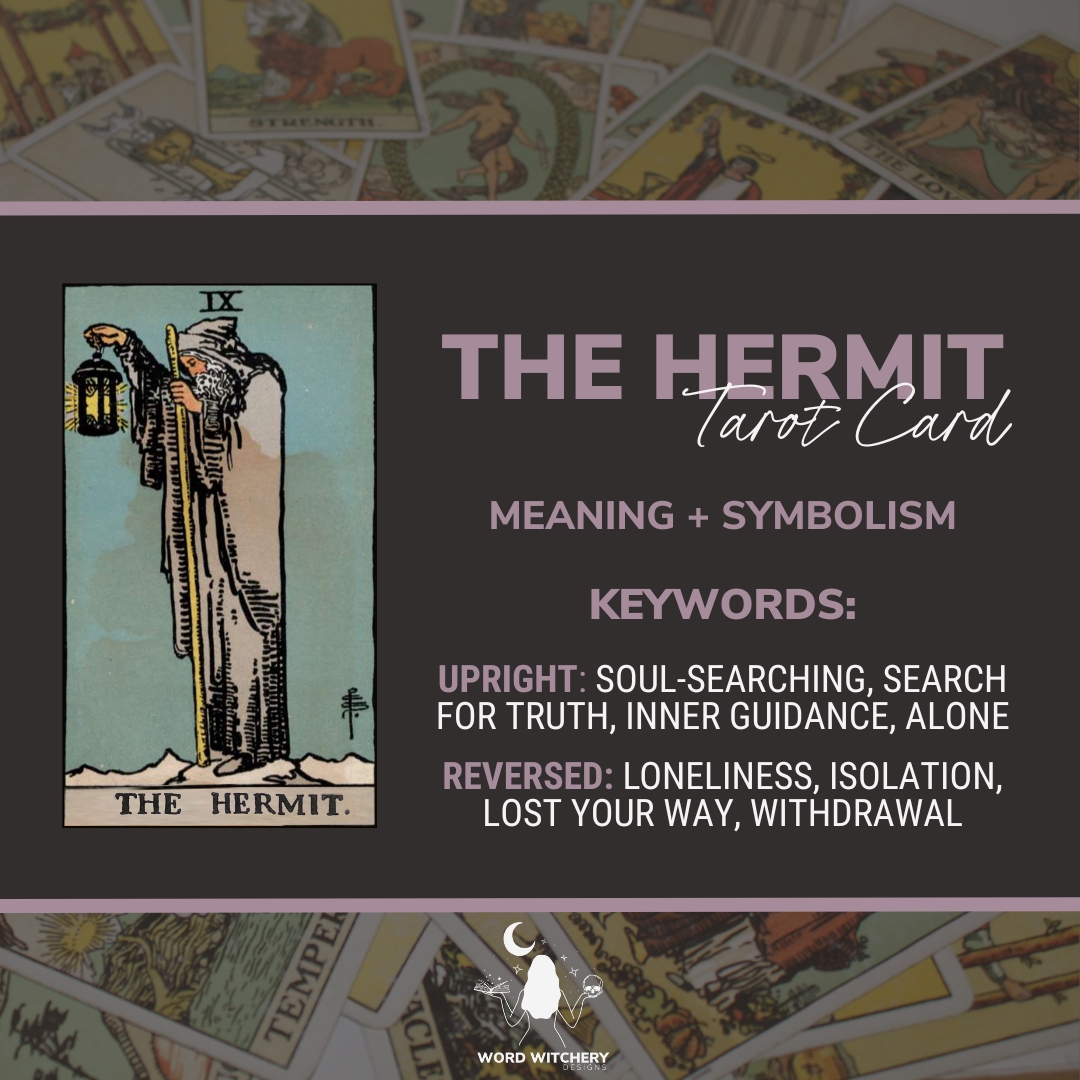
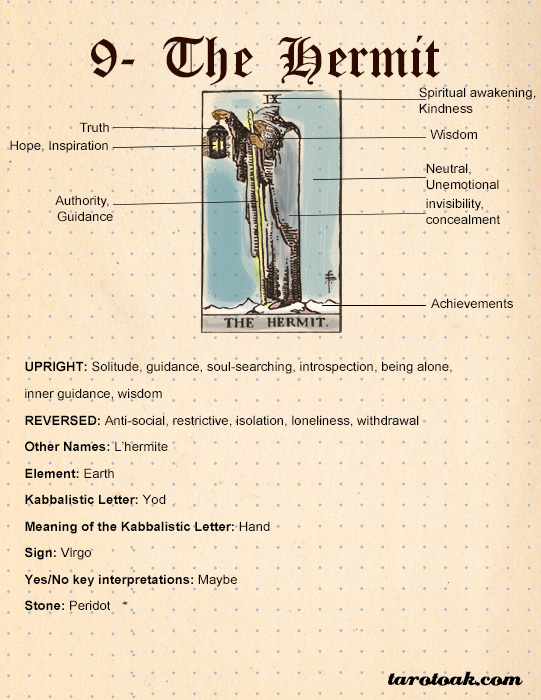
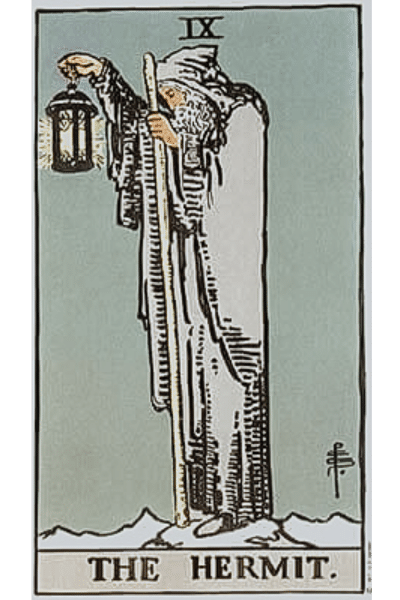
The Hermit is one of the most evocative cards in the tarot deck, often depicted as an elderly figure standing alone on a mountain, holding a lantern that illuminates a single path. This imagery alone speaks volumes about the card’s essence: a call to retreat from the noise of the external world to seek inner clarity. The Hermit represents introspection, soul-searching, and the pursuit of deeper truths. Unlike other cards that encourage action or social interaction, The Hermit is a reminder that sometimes the most profound answers come from within.
In readings, The Hermit often appears when you’re being urged to take a step back from your daily routine. It may signal a period of self-reflection, where distractions are stripped away, and you’re left with your thoughts and emotions. This card is not about isolation for its own sake but about using solitude as a tool for growth. The lantern the Hermit holds is a symbol of the light of knowledge—whether it’s spiritual enlightenment, self-awareness, or a new perspective on a challenging situation. When The Hermit appears, it’s an invitation to ask yourself hard questions: What do I truly want? What fears or doubts are holding me back? What wisdom have I yet to uncover?
Reversed, The Hermit can indicate isolation taken to an unhealthy extreme. While solitude can be healing, withdrawal from the world without purpose can lead to loneliness, avoidance, or even depression. It may also suggest that you’re ignoring important external guidance, preferring to rely solely on your own judgment without seeking outside perspectives. The reversed Hermit warns against stubbornness or an unwillingness to accept help when it’s needed.
The Emperor: Authority, Structure, and Leadership
Where The Hermit embodies the quiet wisdom of solitude, The Emperor stands as a pillar of strength, structure, and external authority. This card is often depicted as a stern, bearded figure seated on a throne, holding a scepter and an orb—symbols of power, control, and responsibility. The Emperor is the archetype of the wise ruler, someone who governs with discipline, logic, and a long-term vision. Unlike The Hermit’s introspective energy, The Emperor thrives in the realm of action, organization, and leadership. He represents the ability to take charge, set boundaries, and create order out of chaos.
In a tarot spread, The Emperor often appears when you’re being called to step into a leadership role or assert your authority in a situation. This could mean taking charge of a project at work, setting firm boundaries in a relationship, or making decisions with confidence. The Emperor’s energy is about harnessing your inner strength to guide others and yourself toward stability and success. He teaches that true leadership isn’t about domination but about providing a steady hand and a clear direction. When The Emperor appears, it’s a sign that you have the skills and resilience to overcome obstacles, but it also serves as a reminder to use your power wisely and ethically.
Reversed, The Emperor can indicate misuse of authority, rigidity, or an overbearing approach to control. It may suggest that you’re being too domineering, whether in your personal life or professional endeavors. Alternatively, it could reflect a lack of structure or discipline, where you’re struggling to assert yourself or make decisions. The reversed Emperor warns against authoritarian tendencies or, conversely, a failure to take responsibility when leadership is required.
Key Differences: The Hermit vs. The Emperor
While both The Hermit and The Emperor share themes of solitude and authority, their energies are fundamentally different. The Hermit is about internal wisdom, solitude, and the search for meaning. He represents a withdrawal from the world to gain clarity. The Emperor, on the other hand, is about external power, structure, and the ability to lead and organize. He thrives in the world of action and responsibility. Where The Hermit asks you to look within, The Emperor encourages you to step forward and take charge.
Another key difference lies in their approach to challenges. The Hermit teaches patience and introspection, suggesting that answers will come in time through reflection. The Emperor, however, advocates for proactive problem-solving, using logic and discipline to overcome obstacles. Together, these cards can create a powerful dynamic: The Hermit provides the wisdom and insight needed to make sound decisions, while The Emperor gives you the strength and structure to implement those decisions effectively.
It’s also worth noting their astrological associations. The Hermit is often linked to Virgo, a sign known for its analytical nature and attention to detail. The Emperor, meanwhile, is associated with Aries, a sign ruled by Mars that embodies courage, initiative, and leadership. These associations further highlight their contrasting energies—one focused on refinement and the other on bold action.
Why These Cards Fascinate Us: The Allure of Solitude and Power
The Hermit and The Emperor captivate us because they tap into universal human experiences: the desire for self-discovery and the drive for control. In a world that often glorifies constant activity and social engagement, The Hermit’s call to solitude feels both radical and necessary. It reminds us that true growth often happens in quiet moments, away from the noise of daily life. Meanwhile, The Emperor’s energy resonates with our innate need for structure and leadership, whether in our personal lives or society at large. We’re drawn to these cards because they reflect our deepest aspirations and fears—our longing for wisdom and our struggle with authority.
There’s also a deeper psychological appeal to these cards. The Hermit speaks to the shadow self—the parts of us we hide from the world and even from ourselves. His lantern illuminates these hidden aspects, offering a chance for healing and integration. The Emperor, conversely, represents the ego’s desire for control and recognition. He embodies the part of us that seeks to assert dominance and create order. Together, they form a balance between the inner and outer worlds, the personal and the collective.
Conclusion
The Hermit and The Emperor are two of the most compelling cards in the tarot deck, each offering a unique path to growth and understanding. The Hermit guides you inward, urging you to seek wisdom through solitude and reflection. The Emperor, in contrast, calls you outward, encouraging you to take charge, set boundaries, and lead with confidence. Together, they remind us that true mastery comes from balancing introspection with action, solitude with engagement, and wisdom with authority.
Whether you’re navigating a personal crisis, making a major life decision, or simply seeking clarity, these cards can serve as powerful guides. The Hermit teaches you to trust your inner voice, while The Emperor empowers you to turn that voice into action. By understanding their distinct energies—and how they complement each other—you’ll be better equipped to interpret their messages in your readings and apply their lessons to your life. Ultimately, these cards are not just about solitude or power; they’re about the journey toward wholeness, where wisdom and leadership walk hand in hand.
FAQ
What is the primary meaning of The Hermit tarot card?
The Hermit card primarily represents introspection, solitude, and the pursuit of inner wisdom.
How is The Emperor tarot card interpreted in readings?
The Emperor signifies leadership, authority, structure, and the ability to take control and provide guidance.
What do reversed positions of these cards imply?
Reversed Hermit warns against unhealthy isolation or refusing help; reversed Emperor suggests misuse of authority or lack of discipline.
How do The Hermit and The Emperor complement each other?
The Hermit offers wisdom and reflection, while The Emperor provides the strength and structure to act on that insight.
Which zodiac signs are connected to these cards?
The Hermit is linked to Virgo, and The Emperor is associated with Aries.
Leave a Reply