Short Answer
Learning tarot card meanings can feel overwhelming at first. With 78 cards in the deck—each with its own symbolism, numerology, and elemental associations—it’s easy to get lost in the details. But what if you could cut through the noise and focus on the most essential meanings first? This guide will show you a beginner-friendly shortcut to learning tarot card meanings quickly, without memorizing every single detail upfront. By the end, you’ll have a solid foundation to start reading intuitively, even if you’re still building your knowledge.
Why Tarot Card Meanings Feel Overwhelming (And How to Fix It)
Many beginners assume they need to memorize every card’s meaning by heart before they can read tarot. This leads to frustration because tarot isn’t about rigid definitions—it’s about interpretation. The real issue isn’t the complexity of the cards but the way we approach learning them. Instead of trying to absorb everything at once, focus on the core themes of each card. For example, the Major Arcana cards (like The Fool, The Magician, or Death) represent life’s big lessons, while the Minor Arcana (like the Four of Cups or the Knight of Swords) reflect everyday situations. Start with these categories, and you’ll see patterns emerge naturally.
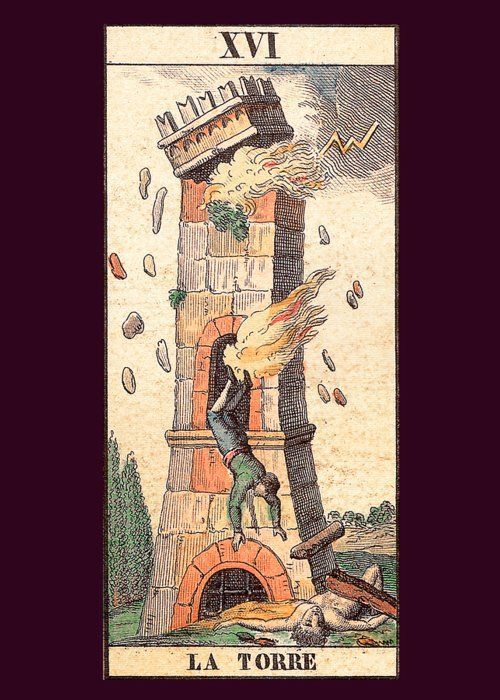
Another common pitfall is relying too much on guidebooks. While they’re helpful, they can make learning feel like a chore. Instead, try associating cards with emotions or real-life scenarios. For instance, the Three of Cups might remind you of a celebration with friends, while the Tower could symbolize a sudden change or upheaval. This emotional connection makes the meanings stick faster than rote memorization.
The 78 Cards Simplified: Major vs. Minor Arcana
The tarot deck is divided into two main sections: the Major Arcana and the Minor Arcana. The Major Arcana consists of 22 cards, each representing a significant life event or spiritual lesson. These cards often appear in readings when big changes or deep insights are on the horizon. For example:
- The Lovers – Relationships, choices, and harmony.
- Justice – Fairness, truth, and consequences.
- Wheel of Fortune – Cycles, luck, and destiny.
The Minor Arcana has 56 cards divided into four suits—Cups, Pentacles, Swords, and Wands—each corresponding to an element (water, earth, air, and fire, respectively). These cards reflect everyday experiences and are easier to learn when grouped by suit:
- Cups (Water) – Emotions, relationships, and intuition.
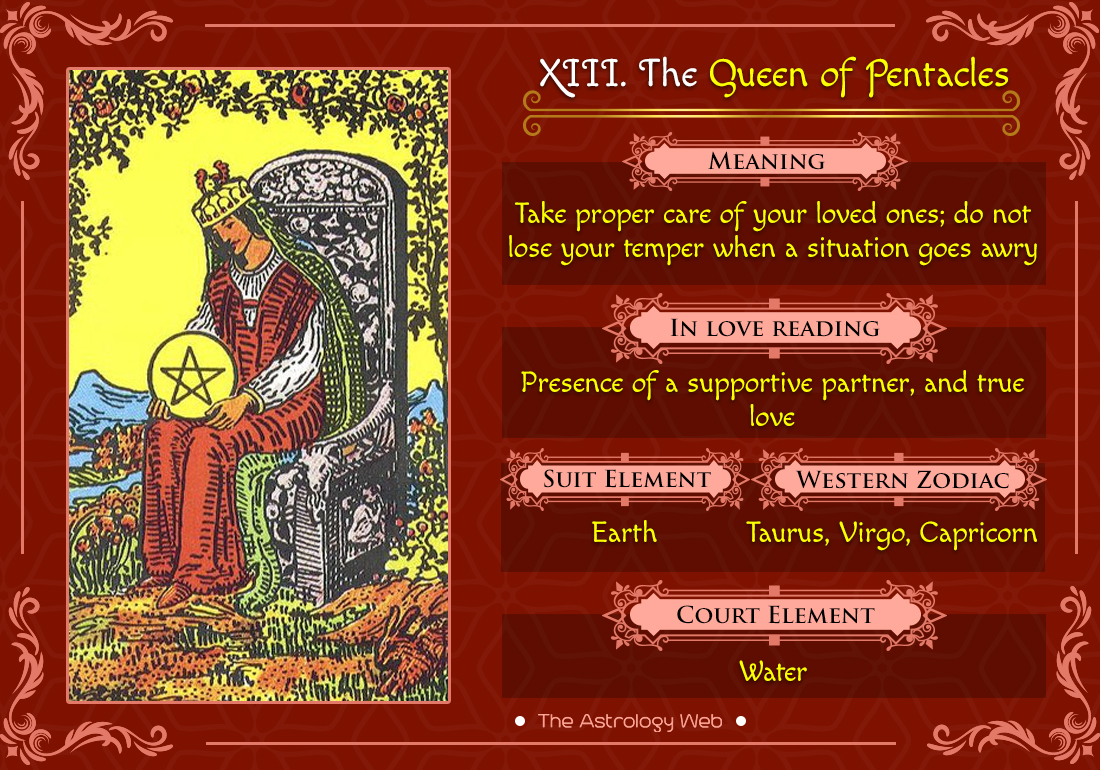
- Pentacles (Earth) – Money, work, and material matters.
- Swords (Air) – Thoughts, conflicts, and decisions.
- Wands (Fire) – Creativity, passion, and ambition.

Quick-Learn Strategies: How to Memorize Tarot Card Meanings Fast
Memorizing 78 cards overnight isn’t realistic, but you can speed up the process with these techniques:
- Use Mnemonics – Create silly or vivid associations for each card. For example, to remember the Eight of Pentacles (hard work and craftsmanship), picture a person diligently carving eight pentacles into a stone. The weirder the image, the easier it sticks.
- Group Cards by Themes – Instead of learning cards one by one, group them by common themes. For example, all the court cards (Page, Knight, Queen, King) represent people or personality traits. Focus on one court card per suit at a time.
- Draw a Card Daily – Pull one card each morning and reflect on its meaning. Over time, you’ll start recognizing patterns and connections between cards.
- Watch Tarot Videos – Visual learners benefit from watching tarot readers explain cards in real time. Platforms like YouTube have countless beginner-friendly tutorials.
Use Flashcards – Write the card name on one side and its core meaning on the other. Review them during downtime, like while commuting or waiting in line.
Common Tarot Card Meanings You Need to Know First
Not all 78 cards are equally important when you’re starting out. Focus on these key cards first—they’ll appear in almost every reading:
| Card | Upright Meaning | Reversed Meaning |
|---|---|---|
| The Fool | New beginnings, spontaneity, adventure | Recklessness, poor judgment, naivety |
| The Magician | Manifestation, skill, resourcefulness | Manipulation, untapped potential |
| The High Priestess | Intuition, mystery, subconscious wisdom | Secrets, ignoring intuition, superficiality |
| Death | Transformation, endings, change | Fear of change, stagnation |
| Ten of Cups | Harmony, family, emotional fulfillment | Broken relationships, disconnection |
| Three of Swords | Heartbreak, sorrow, betrayal | Healing, forgiveness, moving on |
These cards cover a broad range of experiences, from love and career to personal growth. Once you’re comfortable with these, you can expand to the rest of the deck.
How to Practice Reading Tarot Without Overwhelming Yourself
Reading tarot isn’t just about knowing the cards—it’s about interpreting them in context. Here’s how to practice effectively:
- Start with Single-Card Draws – Pull one card daily and journal about its meaning in your life. Ask yourself: How does this card relate to my current situation?
- Use Simple Spreads – Spreads like the Three-Card Spread (Past, Present, Future) or the Celtic Cross (for deeper insights) are great for beginners. Stick to one spread until you’re comfortable.
- Trust Your Intuition – If a card’s traditional meaning doesn’t resonate, go with your gut. Tarot is subjective, and your interpretation is just as valid.
- Read for Others (Even If You’re a Beginner)
- Keep a Tarot Journal – Write down the cards you draw, your interpretations, and any synchronicities (meaningful coincidences). Over time, you’ll see how your understanding evolves.
Why Tarot Fascinates People: The Deeper Appeal
Tarot’s enduring popularity isn’t just about fortune-telling—it’s about self-discovery. The cards act as a mirror, reflecting our subconscious thoughts, fears, and desires. When you pull a card like the Five of Cups (loss or regret), it’s not just about the literal meaning; it’s an invitation to explore what you’re grieving or what you might be overlooking. Similarly, the Star card (hope, inspiration) reminds us that even in darkness, there’s light.
Another reason tarot resonates is its adaptability. Whether you’re seeking guidance on love, career, or personal growth, the cards offer a framework for reflection. They don’t give answers—they ask questions, encouraging you to dig deeper into your own psyche. This is why people return to tarot time and time again: it’s not just a tool for prediction, but a tool for understanding.
Conclusion
Learning tarot card meanings doesn’t have to be a daunting task. By focusing on the core themes of the Major and Minor Arcana, using mnemonic devices, and practicing regularly, you can build a strong foundation without feeling overwhelmed. Remember, tarot is a journey—not a race. The more you engage with the cards, the more intuitive your readings will become. Start small, trust your instincts, and let the cards guide you toward deeper self-awareness.
Leave a Reply