Short Answer
Embark on a journey through time to uncover the original tarot meanings—before modern interpretations and pop culture reshaped their essence. This guide delves into the esoteric roots of tarot, revealing how these enigmatic cards evolved from medieval games to mystical tools of divination. You’ll discover the hidden symbolism, the forgotten allegories, and the profound metaphors that make tarot a timeless vessel of insight. Whether you’re a seasoned reader or a curious newcomer, prepare to see tarot in a new light, stripped of contemporary gloss and steeped in its original allure.
The Birth of Tarot: From Game to Oracle
The tarot’s origins trace back to 15th-century Italy, where they first emerged not as mystical artifacts but as playing cards for games like *tarocchi*. These early decks, such as the Visconti-Sforza, were lavishly illustrated with allegorical figures—kings, queens, and knights—mirroring the social hierarchies of the time. Yet, beneath their decorative veneer lay a deeper layer of symbolism. The trumps, or *major arcana*, depicted universal themes like Death, Justice, and The Fool, which later mystics would reinterpret as cosmic truths.
The transition from game to oracle was gradual. By the late 18th century, occultists like Antoine Court de Gébelin and Éliphas Lévi began associating tarot with ancient wisdom, claiming ties to Egyptian mysticism, Kabbalah, and even the Bible. These theories, though largely unfounded, planted the seeds for tarot’s esoteric reputation. The original meanings were thus not fixed but fluid, shaped by cultural shifts and the imaginations of those who sought to decode them.
The Major Arcana: Archetypes of the Human Soul
The 22 cards of the major arcana form the backbone of tarot’s symbolic language. Each card represents a stage in the Fool’s journey—a metaphorical pilgrimage through life’s trials and triumphs. The Fool, for instance, embodies spontaneity and innocence, while The Magician symbolizes manifestation and willpower. These archetypes resonate across cultures because they tap into universal human experiences: love, loss, power, and transformation.
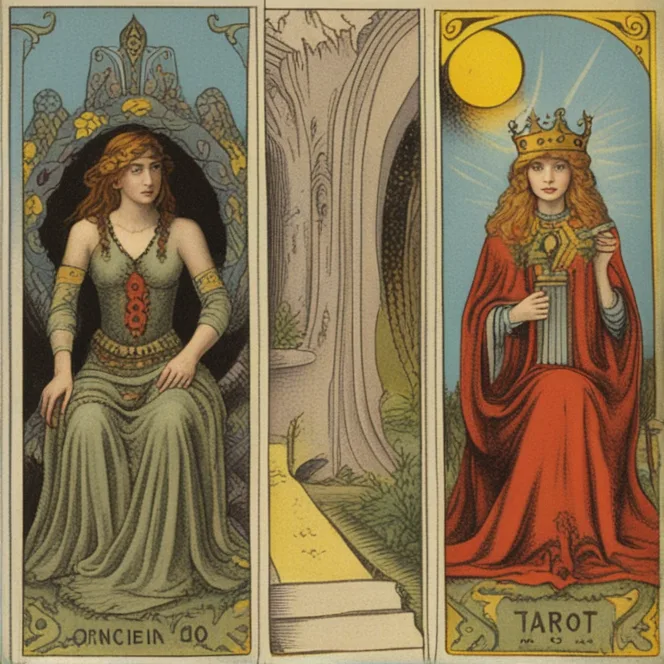
Consider The High Priestess, a card often linked to intuition and hidden knowledge. In its original depictions, she sits between two pillars, one black and one white, symbolizing duality and the threshold between the conscious and subconscious. This imagery predates modern psychological interpretations, offering a glimpse into how tarot once served as a mirror for the soul’s inner workings. The original meanings were less about fortune-telling and more about self-reflection—a tool for navigating life’s mysteries.
The Minor Arcana: The Tapestry of Everyday Life
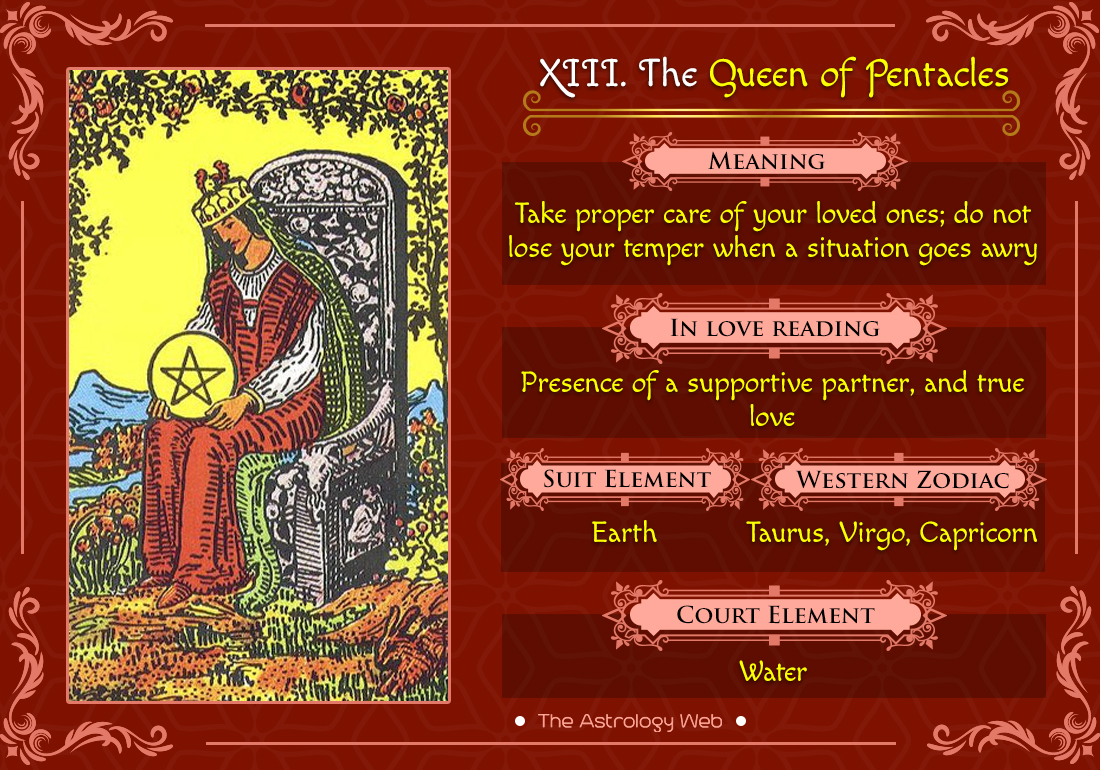
While the major arcana deal in grand themes, the 56 cards of the minor arcana ground tarot in the rhythms of daily existence. Divided into four suits—Cups, Pentacles, Swords, and Wands—these cards reflect the cycles of emotion, material wealth, intellect, and creativity. In their earliest forms, the minor arcana were straightforward, with illustrations tied to their suit’s domain. A Knight of Cups, for example, might depict a nobleman holding a chalice, embodying romantic idealism.
Over time, the minor arcana’s symbolism expanded. The suit of Swords, originally associated with nobility and conflict, became tied to mental clarity and decision-making. Pentacles, once a symbol of agricultural abundance, evolved into representations of prosperity and practicality. These shifts highlight tarot’s adaptability, where ancient imagery was repurposed to address contemporary concerns. The original meanings were not rigid but evolved with the needs of their users, making tarot a living tradition.
The minor arcana’s power lies in its relatability. Whether you’re drawing The Three of Cups for a celebration or The Ten of Pentacles for family legacy, these cards serve as a language for life’s ordinary and extraordinary moments. Their original appeal was their ability to make the abstract tangible—a deck of cards that spoke to the heart of human experience.
Symbolism and Allegory: The Hidden Language of Tarot
Tarot’s enduring allure stems from its layered symbolism, a language of images that transcends words. The original decks were steeped in allegory, drawing from medieval Christian iconography, alchemical symbols, and astrological correspondences. For instance, The Star card often features a nude figure pouring water, a nod to the celestial and the subconscious. The Moon card, with its crescent and howling dog, evokes the primal fears and illusions of the night.
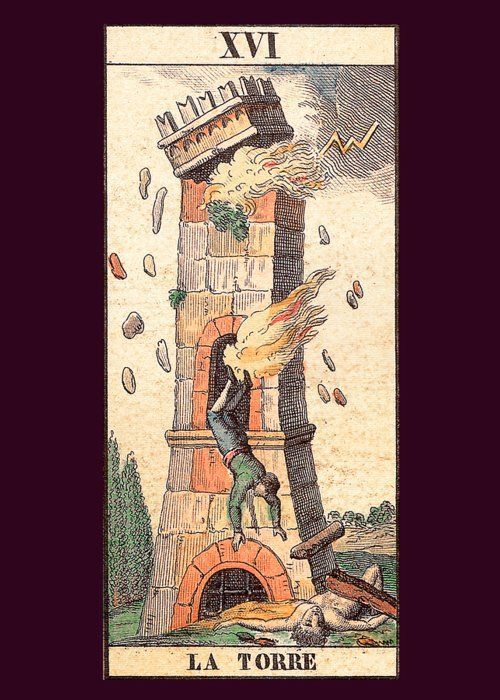
These symbols were not arbitrary. They were carefully chosen to evoke specific emotions and ideas. The Tower, with its lightning-struck structure, represents sudden upheaval—a metaphor for the fragility of human constructs. The Wheel of Fortune, adorned with zodiac signs, illustrates the cyclical nature of fate. By understanding these original symbols, you unlock a deeper connection to tarot’s roots, where every image was a puzzle piece in a larger cosmic narrative.
The use of color in early tarot decks also carried significance. Gold and red often denoted divinity and passion, while blue and green symbolized spirituality and growth. These choices were deliberate, designed to guide the reader’s interpretation. Today, modern decks may alter these hues, but the original meanings remain embedded in the cards’ DNA.
Tarot in Practice: Rituals and Divination
The original use of tarot was not confined to divination. In Renaissance Italy, tarot was a social pastime, a game of strategy and wit. Yet, by the 18th century, occultists began using the cards for ritualistic purposes. Séances, meditation, and ceremonial magic incorporated tarot as a tool for channeling higher wisdom. The cards were shuffled, laid out in spreads, and interpreted as messages from the divine or the subconscious.
One of the earliest recorded tarot spreads was the Celtic Cross, though its exact origins are murky. This layout, with its cross and staff, was designed to map out the querent’s life in terms of challenges, influences, and potential outcomes. The original practitioners saw tarot as a bridge between the material and spiritual worlds—a way to commune with forces beyond the tangible.
Even the act of shuffling held significance. In some traditions, the deck was cleansed with smoke or placed under moonlight to purify its energy. The reader’s focus and intention were paramount, as tarot was viewed as a sacred dialogue rather than a casual parlor trick. This reverence for the process preserved tarot’s mystique, elevating it from mere entertainment to a profound spiritual practice.
The Evolution of Meaning: How Tarot Adapted Over Time
Tarot’s journey from game to oracle was not linear. As it spread across Europe, different cultures infused it with their own interpretations. The French *Tarot de Marseille*, for example, became a cornerstone of esoteric tarot, with its stark, symbolic imagery. Meanwhile, the Italian *Tarocchi* retained more of its gaming roots, with suits resembling those in modern playing cards.
The 19th and 20th centuries saw tarot’s meanings expand further. The Rider-Waite-Smith deck, created in 1909, revolutionized tarot by illustrating every card, including the minor arcana. This innovation made tarot more accessible, though it also diluted some of the original symbolism’s ambiguity. The deck’s popularity cemented tarot’s place in New Age spirituality, where it became a tool for self-discovery and psychological insight.
Despite these changes, the core of tarot’s appeal remains its ability to evolve while retaining its essence. The original meanings were never set in stone; they were a conversation between the cards and their users. Whether through medieval allegory or modern psychology, tarot continues to speak to the human condition in ways that are both timeless and ever-changing.
Conclusion
The original tarot meanings are a testament to humanity’s enduring quest for meaning. From their origins as Renaissance playing cards to their transformation into mystical tools, tarot has always been more than ink on paper—it’s a mirror of the soul, a map of the human experience, and a language of symbols waiting to be deciphered. By exploring these roots, we honor tarot’s legacy while reclaiming its depth beyond the hype. Whether you’re drawn to its artistry, its history, or its potential for insight, tarot remains a bridge between the seen and unseen, the mundane and the magical. In a world of fleeting trends, its original allure endures, inviting us to look closer, question deeper, and embrace the mystery.
FAQ
What are the original meanings of tarot cards?
The original meanings of tarot cards reflect their historical context, focusing on themes of self-reflection, human experience, and allegorical representations rather than mere fortune-telling.
How did tarot evolve over time?
Tarot evolved from a card game in 15th-century Italy to a tool for divination and spiritual insight, influenced by various cultural and mystical interpretations throughout history.
Leave a Reply