Short Answer
Mastering tarot card meanings can feel overwhelming at first. With 78 unique cards—each packed with symbols, keywords, and interpretations—it’s easy to get lost in the details. This guide will help you navigate the confusion by breaking down the process into clear, actionable steps. You’ll learn how to approach tarot meanings systematically, avoid common pitfalls, and develop a deeper connection with the cards. Whether you’re a beginner or revisiting the basics, this guide will give you the tools to read tarot with confidence and clarity.
Why Tarot Card Meanings Feel Overwhelming (And What to Do About It)
Many people struggle with tarot because the meanings seem endless. A single card, like The Tower, can represent sudden change, chaos, or revelation—depending on its position in a spread. This flexibility is part of tarot’s power, but it can also create confusion. The deeper reason for this overwhelm often lies in how we’re taught to memorize meanings. Instead of rote learning, focus on understanding the core themes of each card. For example, The Tower isn’t just about destruction; it’s about breaking down old structures to make way for growth. Start by grouping cards by their elemental associations (e.g., fire for passion, water for emotions) to create mental anchors. This approach reduces the need to memorize every detail and helps you see the bigger picture.

Another common source of confusion is the reliance on guidebooks. While they’re useful, they can make tarot feel like a rigid system rather than a living, intuitive tool. Instead of treating meanings as fixed rules, use them as starting points. For instance, if The Lovers card appears in a career reading, don’t assume it’s about romance—instead, consider themes of choices, partnerships, or alignment with your values. By treating meanings as guidelines rather than absolutes, you’ll reduce frustration and open yourself up to deeper insights.
Start with the Major Arcana: The Foundation of Tarot Meanings
The Major Arcana consists of 22 cards, each representing significant life themes, from innocence (The Fool) to transformation (Death) to completion (The World). These cards form the backbone of tarot readings, so mastering them first will give you a solid framework. Begin by studying one card at a time, focusing on its imagery, symbolism, and traditional meanings. For example, The Magician is often associated with manifestation and resourcefulness. Look at the card: the figure holds a wand, a cup, a sword, and a pentacle—symbolizing the tools needed to turn ideas into reality. By breaking down the imagery, you’ll internalize the card’s essence without relying on memorization.
To reinforce your understanding, pair each Major Arcana card with a personal association. For instance, The High Priestess might remind you of a time you trusted your intuition over logic. These personal connections make the cards more relatable and easier to recall during readings. You can also create a visual chart with the cards arranged in order, noting keywords or phrases that resonate with you. Over time, this chart will become a reference tool rather than a crutch.
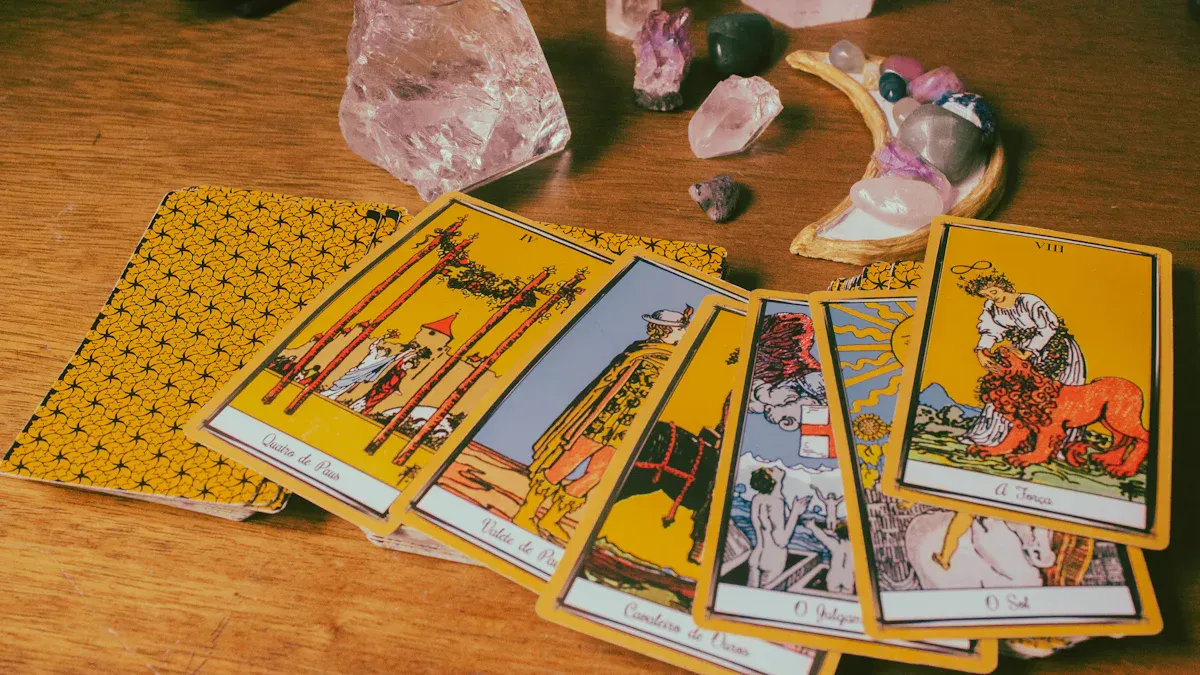
Another effective technique is to explore the numerology and astrological associations of the Major Arcana. For example, The Chariot (Card VII) is linked to the zodiac sign Cancer, which can add another layer of meaning to your interpretations. While these connections aren’t necessary for beginners, they can deepen your understanding as you progress. The key is to build a relationship with the Major Arcana gradually, allowing the meanings to unfold naturally rather than forcing them into memory.
Navigate the Minor Arcana: Breaking Down the Details
The Minor Arcana consists of 56 cards divided into four suits: Wands, Cups, Swords, and Pentacles. Each suit corresponds to an element (fire, water, air, earth) and represents different aspects of life. Wands relate to creativity and passion, Cups to emotions and relationships, Swords to intellect and conflict, and Pentacles to material wealth and practicality. To master the Minor Arcana, start by familiarizing yourself with the suits and their elemental associations. This will help you interpret cards more intuitively—for example, a Swords card in a reading about love might suggest a need for clear communication or a mental block.
Within each suit, the cards progress from Ace (new beginnings) to Ten (completion), with court cards (Page, Knight, Queen, King) representing people or personality traits. Instead of memorizing each card’s meaning, focus on the suit’s overarching theme and how the numbers influence it. For instance, the Three of Cups (a card of celebration) contrasts with the Five of Cups (a card of loss), but both deal with emotional experiences. By understanding these patterns, you’ll avoid getting bogged down in individual details and instead see the Minor Arcana as a cohesive system.
To practice, pull a single suit and lay out its cards in order. Observe how the imagery and themes evolve as the numbers increase. You can also use mnemonic devices to remember key cards. For example, the Eight of Pentacles (a card of craftsmanship) might remind you of the phrase “practice makes perfect.” These small tricks can make the Minor Arcana feel less daunting and more engaging.

Another helpful approach is to study the Minor Arcana in the context of real-life situations. For example, if you’re facing a challenge at work, pull a few Pentacles cards to see how they relate to your situation. This contextual learning makes the cards more relevant and easier to integrate into your readings. Over time, you’ll develop a natural intuition for the Minor Arcana, allowing you to move beyond guidebooks and trust your own interpretations.
Use Spreads to Apply Tarot Meanings in Real Readings
Tarot spreads provide a structure for applying card meanings in a way that feels organized and purposeful. Start with simple spreads, like the Three-Card Spread (past, present, future) or the Celtic Cross (a more detailed layout). As you become more comfortable, experiment with spreads tailored to specific questions, such as career, relationships, or personal growth. The key is to use spreads as a tool for exploration rather than a rigid formula. For example, if you pull The Hermit in a career spread, don’t assume it’s a sign to quit your job—instead, consider it an invitation to reflect on your path and seek wisdom before making decisions.
When interpreting a spread, focus on the relationships between the cards rather than their individual meanings. For instance, if The Tower appears alongside The Star in a spread about a relationship, the contrast between sudden upheaval and hope can reveal a deeper narrative about transformation and renewal. This approach shifts your focus from memorization to storytelling, making your readings more dynamic and insightful. You can also use reversals (cards drawn upside down) to explore blocked energy or internal struggles, but remember that reversals aren’t mandatory—many readers find them unnecessary once they’re comfortable with upright meanings.
To build confidence, practice readings for yourself or friends using simple spreads. Pay attention to the cards that repeat across readings, as these often highlight recurring themes in your life. Over time, you’ll notice patterns that help you refine your interpretations and trust your intuition. The more you practice, the more natural tarot readings will feel, and the less you’ll rely on external resources.
Develop Your Intuition: Beyond Guidebooks and Memorization
While guidebooks and traditional meanings are valuable, the most powerful tarot readings come from your own intuition. To strengthen this skill, start by quieting your mind before a reading. Take a few deep breaths, center yourself, and ask the cards to reveal what you need to know. As you pull each card, observe your immediate reactions. Do you feel a sense of warmth, tension, or curiosity? These visceral responses are often your intuition speaking. For example, if The Empress appears and you feel a surge of comfort, it might indicate a need for nurturing or creativity in your life.
Another way to develop intuition is to work with a single card daily. Pull one card in the morning and spend a few minutes journaling about its imagery, symbols, and how it might relate to your day. Over time, you’ll start to notice subtle connections between the card and your experiences. You can also use meditation to deepen your connection with the cards. Close your eyes and visualize a card, focusing on its colors, figures, and emotions. This practice helps you move beyond intellectual understanding and tap into the card’s energetic resonance.
Trusting your intuition doesn’t mean abandoning traditional meanings—it means using them as a foundation while allowing your personal insights to guide you. For example, if The Devil card appears in a reading about a habit you’re trying to break, your intuition might reveal that the card isn’t about evil but about attachment or unhealthy patterns. By blending guidebook knowledge with your own perceptions, you’ll create readings that are both accurate and deeply personal.
Conclusion
Mastering tarot card meanings isn’t about memorizing endless lists or following rigid rules. It’s about building a relationship with the cards, understanding their core themes, and trusting your intuition to guide your interpretations. Start with the Major Arcana to grasp the big-picture themes, then explore the Minor Arcana to see how these themes play out in everyday life. Use spreads to apply your knowledge in practical ways, and always leave room for your personal insights to shine through.
Remember, tarot is a tool for self-discovery and reflection, not a set of absolute truths. The more you practice, the more confident you’ll become in your readings. Embrace the confusion as part of the learning process—it’s a sign that you’re engaging deeply with the cards. With time and patience, you’ll find that tarot meanings become second nature, and your readings will flow with clarity and purpose.
FAQ
What is the significance of the Major Arcana in tarot?
The Major Arcana consists of 22 cards that represent significant life themes and lessons, serving as the foundation for tarot readings.
How can I remember tarot card meanings?
Instead of rote memorization, focus on understanding the core themes of each card and create personal associations to make them more relatable.
What are some common tarot spreads?
Popular tarot spreads include the Three-Card Spread for past, present, future insights, and the Celtic Cross for more detailed readings.
FAQ
What are the Major Arcana in tarot?
The Major Arcana consists of 22 cards that represent significant life themes and lessons in tarot readings.
How can I remember the meanings of tarot cards?
Group cards by elemental associations, create personal connections, and use mnemonic devices to aid in memorization.
What is a tarot spread?
A tarot spread is a layout of cards used to interpret and apply their meanings in a structured way.
Leave a Reply