Short Answer
This guide explores the profound meanings behind Lilith cards and their symbols, offering insights into why these ancient archetypes continue to captivate modern seekers. You’ll discover the historical roots of Lilith, the significance of her symbols, and how these elements translate into contemporary tarot and spiritual practices. Whether you’re a seasoned practitioner or new to esoteric traditions, this exploration will deepen your understanding of Lilith’s role in personal growth and mystical symbolism.
The Origins of Lilith: From Ancient Myth to Modern Symbolism
Lilith’s story begins in ancient Mesopotamian and Jewish traditions, where she is often depicted as a rebellious figure who refused to submit to Adam’s dominance. Unlike the passive Eve, Lilith embodies independence, strength, and a refusal to conform to societal expectations. This archetype resonates deeply in modern spirituality because it challenges traditional gender roles and celebrates autonomy. Her transformation from a demonic figure in medieval texts to a feminist icon in contemporary circles highlights her adaptability as a symbol of empowerment.
The Lilith card in tarot decks, particularly in the Major Arcana, often represents the shadow self—the aspects of our personality we suppress or deny. This card encourages introspection, urging individuals to confront their deepest fears, desires, and untamed instincts. By embracing Lilith’s energy, one can reclaim personal power and break free from limiting beliefs.
Decoding Lilith’s Symbols: A Visual Guide to Her Archetypal Language
Lilith’s symbols are rich with meaning, each element offering clues to her deeper significance. Common motifs include the owl, serpent, and crescent moon. The owl, often associated with wisdom and intuition, represents Lilith’s connection to the unseen and her role as a guide through the dark. The serpent symbolizes transformation and rebirth, reflecting Lilith’s ability to shed old skins and emerge renewed. The crescent moon, a universal symbol of femininity and cycles, underscores her ties to the lunar phases and the ebb and flow of life.
In tarot decks, Lilith’s imagery often blends these symbols with darker, more primal elements. For example, some decks depict her surrounded by flames or wielding a scythe, emphasizing her role as a force of change and destruction of the old to make way for the new. These visual cues serve as reminders that growth often requires confronting the uncomfortable and embracing the unknown.
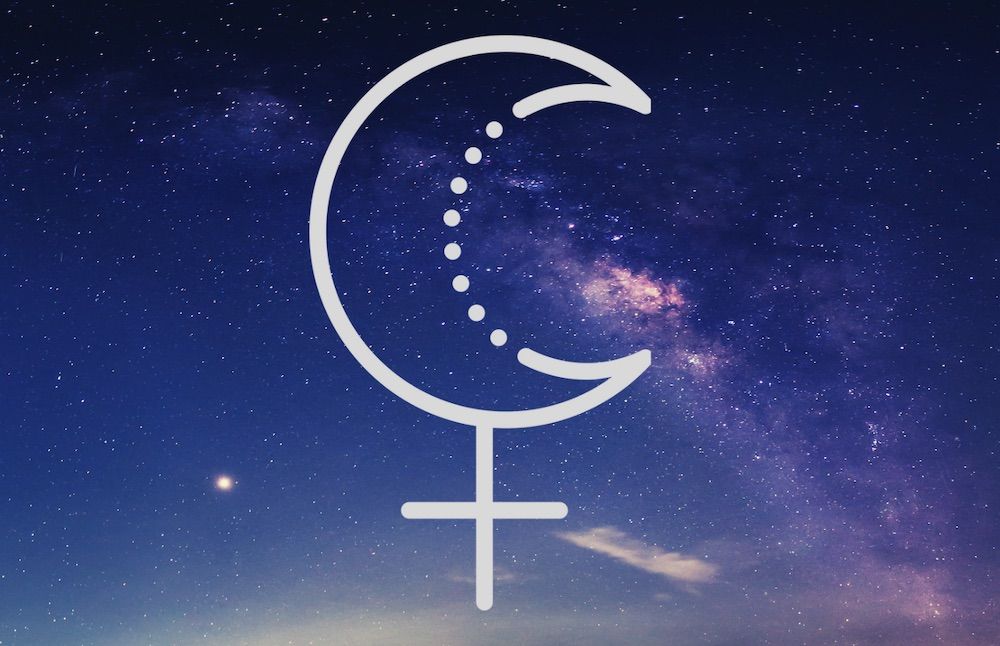
Understanding these symbols allows practitioners to interpret Lilith cards more intuitively. For instance, drawing the Lilith card alongside the High Priestess might suggest a need to trust one’s intuition in a situation, while pairing it with the Tower could indicate an impending transformation that will shatter illusions.
Lilith in Tarot: How to Interpret Her Card in Readings
When Lilith appears in a tarot spread, her message is rarely subtle. She often signals a call to reclaim personal power, especially in areas where one has felt silenced or oppressed. For example, in a career reading, Lilith might urge the querent to leave a toxic work environment or assert their boundaries. In relationships, she could highlight power imbalances or the need to set firm limits with others.
Her presence may also indicate a time of reckoning with past traumas or suppressed emotions. Lilith doesn’t shy away from the dark; she demands that we face it head-on. This can be unsettling, but it’s often necessary for true healing. To work with Lilith’s energy in a reading, consider asking: “Where have I given away my power?” or “What shadows am I avoiding?”
It’s important to note that Lilith’s energy isn’t inherently negative. While she can represent chaos or upheaval, she also embodies resilience and the courage to stand alone. Her card in a spread might be a sign that the querent is on the verge of a breakthrough, even if the path feels uncertain.
The Psychological and Spiritual Layers of Lilith’s Fascination
Why does Lilith continue to captivate so many? Part of her allure lies in her complexity. She is neither purely good nor evil; she exists in the gray areas of human experience. This ambiguity makes her a powerful mirror for our own contradictions and unresolved conflicts. Psychologically, Lilith can represent the anima in Jungian terms—a feminine archetype that encompasses both nurturing and destructive forces.
Spiritually, Lilith is often linked to the concept of the Dark Feminine, a force that transcends traditional notions of purity and submission. She challenges the idea that femininity must be soft or passive, instead celebrating its wild, untamed aspects. This resonates with modern movements that seek to reclaim feminine power outside patriarchal structures. Her symbols, from the serpent to the owl, are often co-opted by feminist and eco-spiritual movements as emblems of resistance and wisdom.
For those drawn to Lilith, her energy can serve as a catalyst for self-discovery. By engaging with her myths and symbols, individuals can explore their own relationship with power, autonomy, and the shadow self. This process isn’t always comfortable, but it’s often transformative.

Practitioners might incorporate Lilith’s energy into rituals or meditations, using her symbols to invoke strength or clarity. For example, lighting a black candle and visualizing Lilith’s owl perched on your shoulder can be a way to call upon her protective and intuitive qualities.
Practical Applications: Working with Lilith’s Energy in Daily Life
Incorporating Lilith’s lessons into daily life requires both courage and curiosity. Start by identifying areas where you’ve compromised your autonomy. This could be in relationships, career choices, or even personal beliefs. Lilith encourages you to ask: “Am I living authentically, or am I conforming to others’ expectations?”
Journaling can be a powerful tool for exploring Lilith’s influence. Write about times you’ve felt silenced or situations where you’ve suppressed your true self. Then, reflect on how you might reclaim that power. For instance, if you’ve stayed in a job out of fear, Lilith might prompt you to consider what steps you can take to leave or renegotiate your role.
Creative expression is another way to connect with Lilith. Paint, write poetry, or compose music that channels her energy. These acts can be cathartic, allowing you to externalize and process emotions that Lilith’s energy might bring to the surface. Additionally, studying her myths and symbols can deepen your understanding of her role in your life.
For those interested in tarot, creating a Lilith-focused spread can provide clarity. A simple three-card spread might include: “What power have I given away?” (past), “How can I reclaim it?” (present), and “What will I create with it?” (future). This structure encourages action and self-empowerment.
Conclusion
Lilith’s enduring fascination lies in her ability to embody the full spectrum of human experience—light and dark, creation and destruction, submission and rebellion. Her symbols and myths offer a roadmap for those seeking to reclaim their power, confront their shadows, and live more authentically. Whether through tarot, meditation, or personal reflection, engaging with Lilith’s energy can be a transformative journey.
As you explore her archetype, remember that Lilith isn’t a figure to be feared but a guide to be embraced. She teaches that true strength comes from facing the unknown, setting boundaries, and honoring one’s deepest truths. By working with her energy, you can unlock new layers of self-awareness and step into your power with confidence.
FAQ
What does the Lilith card represent in tarot?
The Lilith card often represents personal power, the shadow self, and the need to confront suppressed aspects of one's identity.
How can I interpret the Lilith card in a reading?
When drawn, the Lilith card may suggest reclaiming power in situations where one feels oppressed or silenced.
Leave a Reply