Short Answer
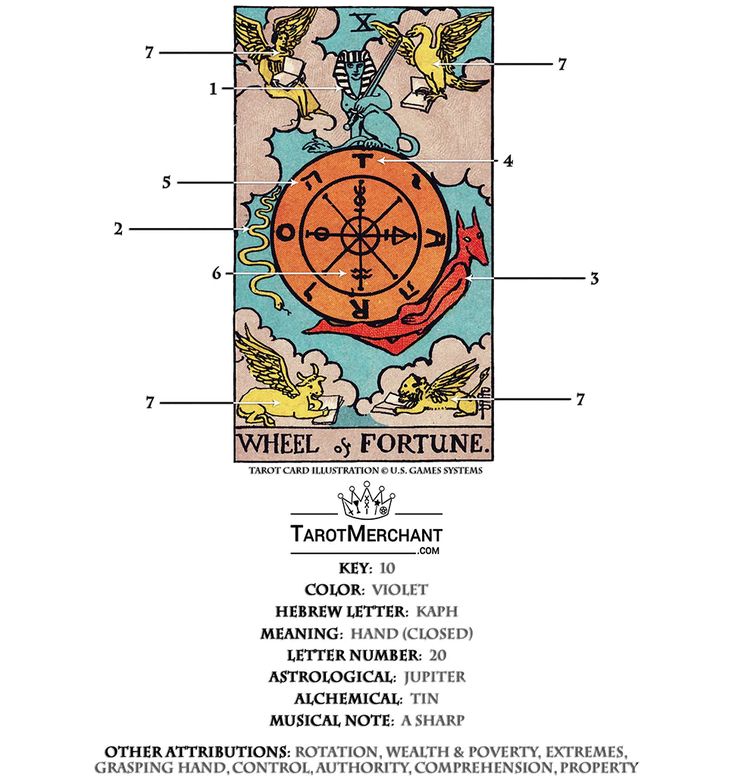
The Wheel of Fortune Tarot card is one that evokes deep contemplation and reflection, especially when examined from a Christian perspective. This card, often depicted as a giant wheel that symbolizes the cyclical nature of life, touches on fundamental themes of fate, divine providence, and the moral implications of free will. As we delve into the significance of this card, we uncover layers of meaning that resonate with Christian theology while addressing a common observation: the perpetual state of flux that characterizes human existence.
In Christian thought, the concept of divine providence plays a crucial role. The Wheel of Fortune can be perceived as an embodiment of God’s sovereignty, illustrating how He governs the vicissitudes of life. The central theme of the wheel’s rotation is a reminder that life is not static; it is ever-changing, filled with ebbs and flows akin to the biblical notion of “to everything, there is a season” (Ecclesiastes 3:1). This alignment suggests that every individual may encounter moments of fortune and misfortune, underscoring the belief that God’s hand influences the course of earthly events.
Moreover, the imagery on the Wheel of Fortune often reveals various symbols, including the four figures representing the Evangelists: Matthew, Mark, Luke, and John. This inclusion provides a direct link between the Tarot and the biblical narrative, suggesting that the messages of the Evangelists traverse the cyclic nature represented by the wheel. Each turn of the wheel may reflect the divine narrative unfolding in personal and societal experiences, indicating how every twist and turn can lead the believer closer to God’s intended path.
One might also draw parallels between the Wheel of Fortune and the Christian principle of humility. The cyclical nature of the wheel denotes that at one moment, one might find themselves at the pinnacle of success and, at another, plunged into despair. This transient nature can serve as a humbling reminder of human vulnerability. The life of Jesus exemplifies this paradox. His journey through triumph and suffering, encapsulated in the Passion narrative, mirrors the rise and fall represented by the Wheel of Fortune. Understanding this invites believers to cultivate a sense of resilience and faith, regardless of their current circumstances.
Furthermore, the idea of fate versus free will within the context of the Wheel of Fortune prompts intriguing discussions. Christian doctrine upholds the importance of free will, implying that individuals have agency in their decisions. However, the presence of the wheel suggests that, while one may steer their life through choices, there is an overarching divine plan that intertwines with human efforts. This duality invites contemplation on how much control individuals truly have in their lives, a question that resonates through the annals of Christian theology.
Additionally, the Wheel of Fortune can serve as a powerful metaphor for redemption. The Christian story is ultimately one of falling and rising, much like the wheel’s rotation. St. Paul’s letters often emphasize the hope found in adversity (Romans 5:3-5). Viewing suffering as a precursor to growth and transformation is profoundly aligned with the wheel’s cyclical motion. Each downspin on the wheel can lead to a spiritual awakening or an opportunity for repentance, suggesting that even in the depths of despair, there exists the possibility for revival and grace.
Another salient point is the broader implications of communal aspects within the Wheel of Fortune. It is a reminder that life’s fortunes affect not just individuals but communities and societies. In the Christian worldview, the notion of collective suffering and joy reveals interconnectedness among believers. The upturns and downturns experienced by one may echo through the larger body of Christ, prompting calls for support, compassion, and solidarity among the faithful. A sense of responsibility emerges, urging individuals to help those who find themselves at the mercy of the wheel’s descent.
It is also significant to address the emotional responses that accompany the Wheel of Fortune. The card serves as a catalyst for self-reflection, igniting contemplation on one’s relationship with fate and faith. In Christianity, this relationship can be both liberating and challenging, compelling believers to reconcile their aspirations with the understanding that not all events are within their control. This dissonance can drive profound spiritual growth, as individuals learn to navigate the uncertainties of life while anchored in faith.
As the wheel spins, it simultaneously invites believers to look inward and confront their own feelings about luck, success, and divine favor. Are these merely earthly measurements of worth, or do they reflect God’s blessings and plans? By engaging with these questions, individuals can develop a deeper understanding of their spiritual journeys and how they intersect with the unpredictable nature of existence.
In summary, the Wheel of Fortune Tarot card, when examined through a Christian lens, serves as a multifaceted symbol rich in meaning. It encapsulates the intricacies of divine providence, the serenity of acceptance, the humility of existence, and the inexhaustible potential for redemption. Life’s ebbs and flows, mirrored in the wheel’s motion, remind believers that in every low, there is the promise of a rise, and in every fortune, an invitation to gratitude and reflection. Thus, the allure of this card lies not just in its symbolism but in the call to embrace the divine rhythm that governs the human experience.
FAQ
What does the Wheel of Fortune Tarot card symbolize?
It symbolizes the cyclical nature of life, fate, and the interplay of free will and divine intervention.
How is the Wheel of Fortune interpreted in Christian theology?
In Christian theology, it represents God's sovereignty and the moral implications of human choices within the context of divine providence.
Leave a Reply