Short Answer
Welcome to your ultimate guide to mastering both the upright and reversed meanings of tarot cards! Whether you’re a seasoned reader or just beginning your journey, understanding how cards flip—literally and metaphorically—can unlock deeper insights into your readings. This guide will explore the dual nature of tarot, where every card holds two sides: one facing forward (upright) and one hidden (reversed). You’ll learn how to interpret these variations, recognize their challenges, and use them to enrich your readings. By the end, you’ll feel confident in deciphering the full spectrum of tarot’s wisdom.
What Are Upright and Reversed Tarot Cards?
Every tarot card carries a primary meaning when drawn upright, representing its most straightforward interpretation. For example, the Three of Cups upright often signifies celebration, friendship, and joyful gatherings. However, when a card appears reversed, its energy shifts, introducing blockages, delays, or internal struggles. The same Three of Cups reversed might suggest loneliness, overindulgence, or a need to reassess social connections.
Reversed cards aren’t “bad”—they’re simply mirrors reflecting challenges or hidden truths. Think of them as tarot’s way of asking, “What if things don’t go as planned?” or “What’s the shadow side of this situation?” This duality is what makes tarot so powerful: it doesn’t just predict outcomes; it reveals the complexities beneath them.
Why Do Reversed Cards Matter in Readings?
Reversed cards add depth to your readings by highlighting areas that require attention. They can signal:
- Internal conflicts: Doubt, self-sabotage, or unresolved emotions.
- External challenges: Delays, miscommunication, or external pressures.
- Hidden opportunities: Unseen paths or the need to pause and reflect.
For instance, the Five of Pentacles upright warns of financial struggle, but reversed, it might indicate recovery, resilience, or seeking help. Ignoring reversed cards can lead to incomplete readings—like reading a book with missing chapters. They’re not to be feared but embraced as guides pointing to growth.
How to Interpret Reversed Cards: Four Key Approaches
There’s no single “right” way to read reversed cards, but these methods can help you navigate their meanings:
1. Blocked or Delayed Energy
Reversals often indicate stagnation. If the Chariot appears reversed, it might suggest a lack of direction or control in your journey. The energy of the card is there, but it’s not flowing smoothly. Ask: “What’s holding me back?” or “Where am I resisting progress?”
2. Internal vs. External Focus
Some reversed cards reflect inner turmoil, while others point to external circumstances. The Hermit reversed could mean isolation (internal) or a need to seek guidance (external). Context matters—consider the question and surrounding cards.
3. Excess or Deficiency
Reversals can highlight extremes. The Temperance reversed might show imbalance—too much of one thing (e.g., workaholism) or too little (e.g., neglecting self-care). It’s a call to restore harmony.
4. Reversed as a Warning
Some cards reversed act as cautionary tales. The Ten of Swords upright signals painful endings, but reversed, it warns of lingering pain or a refusal to let go. It’s tarot’s way of saying, “This isn’t over yet—what are you still holding onto?”

Common Misconceptions About Reversed Cards
Many beginners assume reversed cards are “negative,” but this oversimplifies their role. Here’s what to remember:
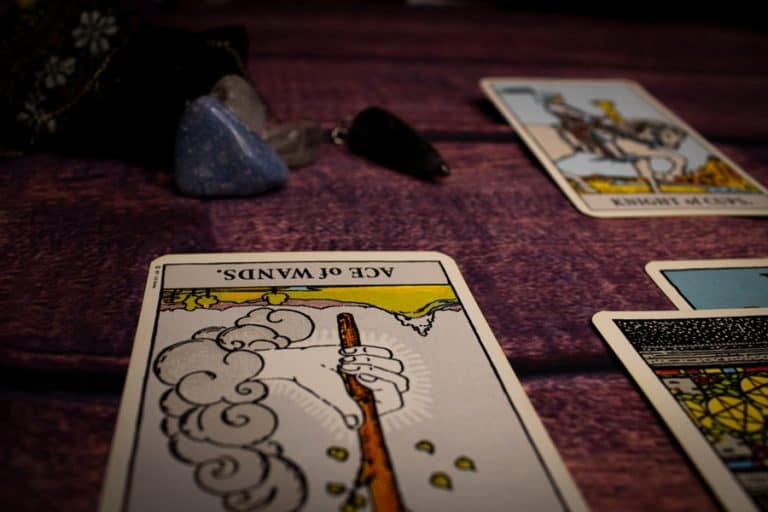
- Not all reversals are bad: The Ace of Wands reversed might signal a creative block, but it could also mean a need to rest before a new spark ignites.
- Context is everything: A reversed Lovers card could indicate disharmony in a relationship—or it might suggest a need for self-love before committing to others.
- They’re not “wrong” cards: Reversals aren’t mistakes; they’re part of the card’s full story. Even the Death card reversed (often misunderstood) might reflect resistance to change rather than literal doom.
Practical Tips for Reading Reversed Cards
Ready to dive in? Here’s how to work with reversed cards effectively:
- Shuffle with intention: Before pulling cards, ask a clear question. Reversed cards thrive when you’re specific about what you’re seeking.
- Observe patterns: If multiple reversals appear in a spread, it might indicate a theme (e.g., emotional blocks, external obstacles).
- Use reversals sparingly: Some readers avoid them entirely, while others use them for every card. Find a balance that works for you.
- Journal your insights: Track reversed cards in your readings to spot recurring messages or personal growth areas.
- Trust your intuition: If a reversed card feels positive to you, honor that feeling. Tarot is as much about energy as it is about traditional meanings.
Example Readings: Upright vs. Reversed
Let’s compare two scenarios to see how reversals shift interpretations:
Scenario 1: The Three of Cups
- Upright: “You’ll celebrate a joyful reunion with old friends soon.”
- Reversed: “You’re feeling left out of social plans—consider reaching out or reflecting on what’s missing in your connections.”
Scenario 2: The Eight of Swords
- Upright: “You’re trapped by self-imposed limitations—break free and see new possibilities.”
- Reversed: “You’re already taking steps to escape your mental prison, but progress feels slow. Be patient.”
Conclusion
Tarot’s magic lies in its duality—every card is a coin with two sides, and both are essential. Upright cards shine a light on clarity, while reversed cards invite you to explore the shadows. They don’t just complicate readings; they deepen them, offering a fuller picture of your path. Whether you see reversals as challenges, lessons, or simply another layer of meaning, the key is to approach them with curiosity and openness.
Next time you draw a card, pause and ask: “What’s the other side of this story?” The answer might just be the insight you’ve been seeking. Happy reading!
FAQ
What does a reversed tarot card mean?
A reversed tarot card can indicate blockages, delays, or internal struggles, reflecting challenges or hidden truths.
Are reversed cards negative?
Not necessarily; reversed cards can provide insights and opportunities for growth, rather than just negative meanings.
Leave a Reply