Short Answer
Welcome to a deep exploration of the Number 14 – Temperance, a card that bridges the gap between the material and the spiritual, the mundane and the divine. In this guide, you will uncover the rich symbolism, historical roots, and practical wisdom that Temperance offers. You’ll discover how this card serves as a guide for balance, patience, and alchemical transformation in life’s journey. By the end, you’ll see why Temperance is not just a card of moderation, but a profound metaphor for the art of living well.
The Essence of Temperance: A Dance of Opposites
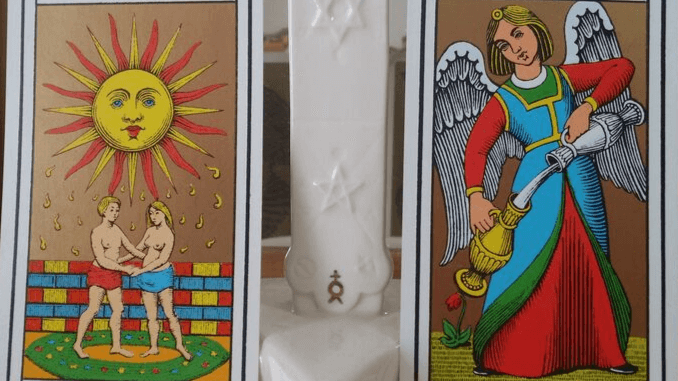
At its core, Temperance embodies the union of opposites. The card often depicts an angelic figure pouring water between two cups, symbolizing the blending of two contrasting elements—fire and water, spirit and matter, or the conscious and unconscious mind. This act is not about suppression or control, but about harmonization. The figure’s one foot on land and one in water further emphasizes the balance between the earthly and the ethereal. Temperance teaches that true wisdom comes from integrating disparate parts of ourselves and the world around us. It is the alchemist’s art: transforming leaden experiences into golden understanding through patience and precision.
In a world that often glorifies extremes, Temperance stands as a gentle reminder that moderation is not mediocrity. It is the courage to find the middle path—not by avoiding challenges, but by meeting them with measured, intentional action. Whether in relationships, career, or personal growth, the card urges you to slow down, assess, and blend opposing forces with grace.
Historical Roots: From Alchemy to Archetype
The concept of Temperance has roots that stretch back to ancient alchemy, where it represented the process of purification and the union of opposites—a necessary step in the creation of the philosopher’s stone. In medieval and Renaissance tarot decks, Temperance was often depicted as an angel or a figure with wings, reinforcing its connection to the divine. The card’s evolution into modern tarot reflects humanity’s enduring quest for equilibrium in an often chaotic world.
In the 15th-century Visconti-Sforza deck, one of the oldest surviving tarot decks, Temperance appears as a figure pouring liquid between two vessels, mirroring the alchemical process of distillation. This imagery underscores the card’s role as a bridge between the material and spiritual realms. Over time, the card’s symbolism expanded to include themes of health, moderation in diet, and even the balance of humors in the body—a reflection of the Renaissance belief in the interconnectedness of mind, body, and spirit.
Temperance’s presence in tarot also reflects its role as a moral virtue in Christian theology, where it is one of the four cardinal virtues alongside prudence, justice, and fortitude. Here, Temperance is not merely about abstinence but about self-mastery and the wise use of one’s energies. This historical depth gives the card a timeless quality, making it relevant across cultures and centuries.
The Symbolism of the Card: Decoding the Visual Language
The imagery of Temperance is rich with meaning, each element offering a layer of insight. The angelic figure, often winged, represents the higher self or divine guidance, suggesting that balance is not achieved through brute force but through grace and intuition. The two cups the angel pours between symbolize the conscious and unconscious mind, or the inner and outer worlds. The water flowing between them represents the flow of life itself—constant, yet always changing.
The path beneath the figure’s feet is often winding, hinting at the journey of life, which is rarely linear. The sun in the background, a recurring motif in many Temperance cards, symbolizes enlightenment and the promise of a new dawn. The colors used—often gold, blue, and white—evoke purity, wisdom, and spiritual clarity. Even the number 14, which reduces to 5 (1+4), ties into themes of change and adaptation, as 5 is the number of the five senses and the five elements in some traditions.
In some decks, the angel is depicted with a third eye, emphasizing intuition and insight. In others, the figure stands with one foot on land and one in water, reinforcing the balance between the material and spiritual. These details remind us that Temperance is not a static state but an ongoing practice—a dance that requires awareness and adaptability.

Temperance in Readings: A Guide for Life’s Transitions
When Temperance appears in a tarot reading, it is often a sign to slow down and reassess. It may indicate a need for patience, especially in situations where you feel rushed or overwhelmed. The card encourages you to blend different aspects of your life—work and rest, giving and receiving, action and reflection—rather than forcing a resolution. In matters of the heart, Temperance suggests finding common ground and avoiding extremes of emotion. In career readings, it may signal a time to refine your skills or seek harmony in your professional relationships.
Temperance can also appear as a reminder to trust the process. Life, like the alchemical process, requires time and careful attention. Rushing the transformation will only lead to imbalance. The card may be urging you to adopt a more mindful approach, whether in decision-making, relationships, or personal growth. It is a call to cultivate patience and to see challenges as opportunities for refinement.
In its reversed position, Temperance warns against excess—whether it’s overindulgence, impatience, or a lack of self-control. It may indicate burnout, scattered energy, or a disconnect between your actions and your values. Reversed, the card asks you to pause and realign, to find the middle path before proceeding.
The Alchemy of Everyday Life: Applying Temperance’s Wisdom
Temperance is not just a tarot card; it is a way of life. In your daily routine, you can apply its principles by setting boundaries that honor both your needs and the needs of others. Whether it’s in your diet, your schedule, or your emotional responses, the card encourages moderation without deprivation. It’s about finding joy in the balance—the warmth of a cup of tea after a long day, the quiet of a morning walk before the chaos begins.
In relationships, Temperance teaches the art of compromise. It’s not about losing yourself in the process but about finding a rhythm where both parties feel heard and valued. In creative pursuits, the card reminds you that mastery comes not from rushing to completion but from refining your craft with patience and care. Even in conflict, Temperance suggests approaching disagreements with a willingness to understand rather than dominate.
The card’s message is simple yet profound: life is a series of adjustments, and balance is not a destination but a practice. By embracing Temperance, you cultivate resilience, clarity, and a deeper connection to yourself and the world around you.
Conclusion: The Gift of Temperance
Number 14 – Temperance is far more than a card of moderation; it is a profound metaphor for the art of living. It invites you to embrace the middle path, to blend opposites with grace, and to trust in the transformative power of patience. Whether you encounter it in a tarot reading or in the quiet moments of your daily life, Temperance reminds you that harmony is not found in extremes but in the delicate balance of all things.
As you move through life’s challenges, let Temperance be your guide—a reminder that true strength lies not in force, but in the willingness to adapt, refine, and find beauty in the journey itself. In a world that often demands speed and certainty, Temperance offers a gentler, wiser way forward: one step at a time, one drop of water at a time, until the cup is full.
FAQ
What does the Temperance tarot card represent?
Temperance represents balance, moderation, and the integration of opposites in life.
How can I apply the lessons of Temperance in my life?
You can apply Temperance by finding balance in your daily routines, relationships, and decision-making processes.
Leave a Reply