Short Answer
Embark on a journey into the heart of the Major Arcana with Number 4 – The Emperor, a card that radiates authority, structure, and unwavering leadership. This guide will unravel the intricate layers of this powerful archetype, revealing its symbolic depth, psychological resonance, and timeless appeal. You will discover how The Emperor transcends mere card imagery to embody the essence of governance, discipline, and strategic mastery. Whether you’re a seasoned tarot enthusiast or a curious seeker, this exploration will illuminate the card’s unique charm and transformative potential.
The Emperor as the Architect of Order
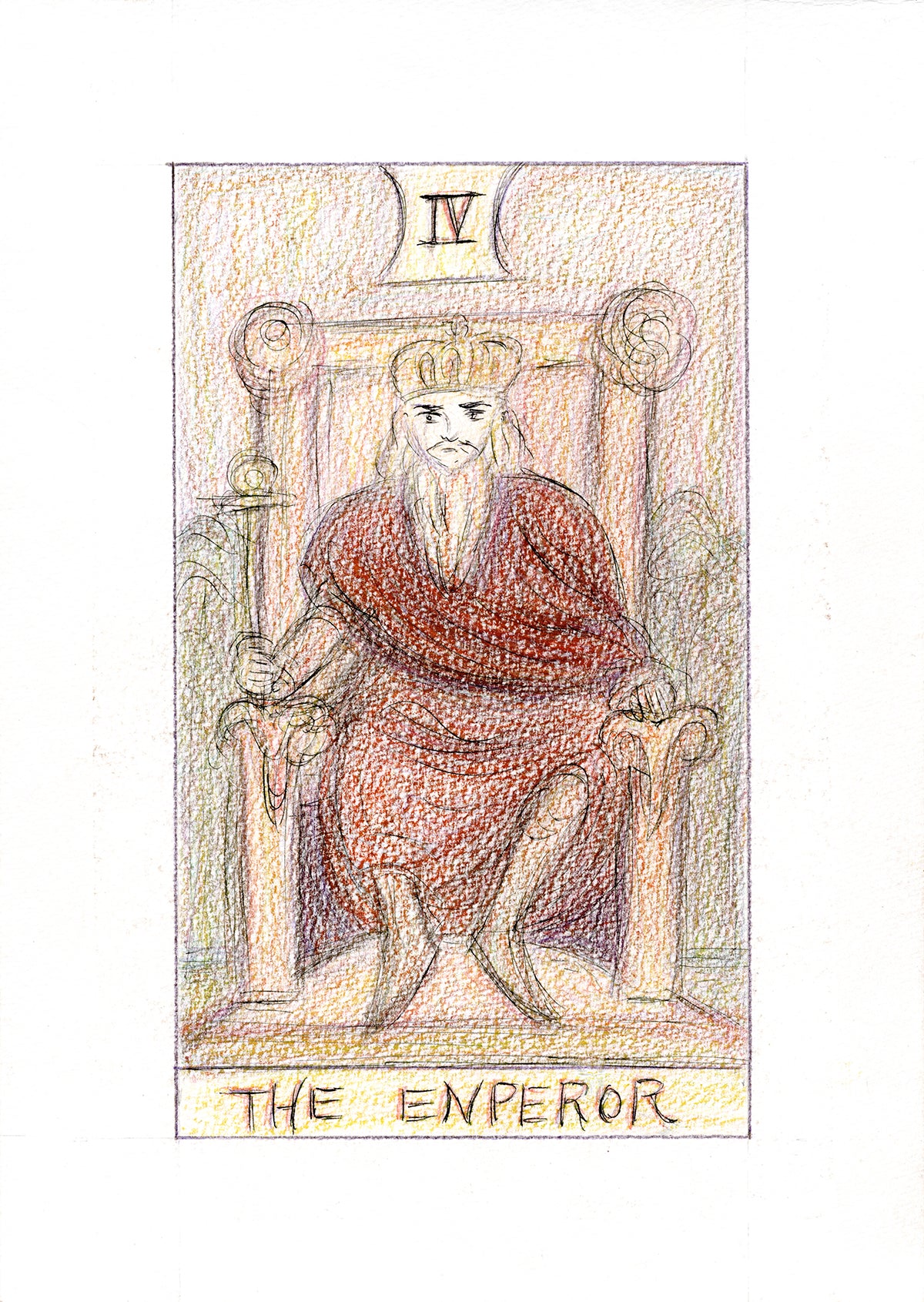
The Emperor stands as the supreme architect of order in the tarot deck, a figure who transforms chaos into clarity through sheer willpower and foresight. Unlike the Empress, who nurtures life with warmth and intuition, The Emperor governs through logic, structure, and unyielding control. His throne, often depicted as a stone seat adorned with rams’ heads—symbols of assertiveness and determination—anchors him in a realm where chaos is tamed by discipline. This card is not merely about power; it’s about the responsibility that comes with it. The Emperor teaches that true leadership is not about domination but about creating systems that foster growth, stability, and progress.
Metaphorically, The Emperor can be seen as the inner critic who transforms raw potential into tangible results. He represents the voice of reason that steps in when emotions run high, ensuring that decisions are made with precision rather than impulse. In a world that often glorifies spontaneity, The Emperor reminds us that structure is the invisible scaffold that holds dreams aloft. His presence in a reading signals a time to embrace authority—not necessarily external, but the authority of one’s own judgment and the courage to enforce boundaries.

The Symbolism of the Throne and Armor
The throne of The Emperor is more than a seat; it is a throne of stability. Crafted from stone, it mirrors the unyielding nature of his character, resistant to the winds of change. The rams’ heads adorning the throne’s arms are not mere decorative elements but potent symbols of Aries energy—bold, assertive, and driven by a primal need to lead. These horns evoke the image of a warrior-king, someone who charges forward with conviction, yet also carries the weight of responsibility for those under his care.
The Emperor’s armor, often depicted in red and gold, speaks to his readiness for battle—not against others, but against the forces of disorder. Red symbolizes passion and vitality, while gold represents enlightenment and divine right. Together, they paint a picture of a leader who is both emotionally charged and spiritually grounded. His long beard, a traditional mark of wisdom, suggests that his authority is not fleeting but earned through experience and reflection. The scepter in his right hand, a symbol of dominion, is not held in a threatening manner but rather as a tool to guide and direct. It’s a reminder that power, when wielded with intention, can be a force for good.
This imagery invites us to reflect on our own relationship with authority. Do we shy away from leadership, or do we embrace it with the same steadfastness as The Emperor? The card challenges us to ask whether our structures—whether personal, professional, or spiritual—are built on solid foundations or shaky ground. It’s a call to cultivate resilience and to recognize that true strength lies in the ability to maintain composure even when the world around us feels turbulent.
The Emperor in Relationships and Personal Growth
In the realm of relationships, The Emperor often appears as a figure of protection and guidance. He can represent a mentor, a father figure, or even a partner who embodies stability and reliability. His energy is one of security—a quality that is often sought but rarely mastered. When The Emperor surfaces in a reading about love or partnerships, it may indicate a need for clear boundaries, mutual respect, and a shared vision for the future. This card does not advocate for control over others but rather for the creation of a relationship framework where both parties can thrive.
For personal growth, The Emperor is a powerful ally. He encourages us to take charge of our lives with the same discipline he embodies. This might mean setting firm goals, establishing routines that support our ambitions, or even stepping into a leadership role in our communities. His presence can signal a time to release self-doubt and embrace the role of the sovereign in our own lives. However, it’s crucial to balance his energy with compassion. The Emperor’s shadow side is rigidity—when taken to an extreme, he can become tyrannical, stifling creativity and emotional expression. The key is to harness his strength without letting it harden into dogma.
Consider The Emperor as the inner CEO of your psyche. He’s the part of you that plans, organizes, and executes with precision. When life feels overwhelming, he steps in to remind you that even the grandest empires were built brick by brick. His lesson is simple yet profound: structure is not a prison; it is the foundation of freedom.
The Emperor in Career and Ambition
In professional contexts, The Emperor is a beacon for those aiming to climb the ladder of success. He represents strategic authority—the ability to see the big picture and execute plans with precision. This card often appears when a promotion, a new venture, or a leadership opportunity is on the horizon. It’s a sign to take initiative, to lead with confidence, and to trust in your ability to make tough decisions. The Emperor doesn’t shy away from challenges; he meets them head-on, armed with experience and a clear sense of purpose.
However, The Emperor’s career advice comes with a caveat: avoid becoming so focused on the end goal that you lose sight of the human element. Leadership is not just about control; it’s about inspiring others to reach their potential. This card encourages you to mentor, to delegate, and to create an environment where collaboration thrives. In a reading, The Emperor might also warn against micromanagement or an over-reliance on hierarchy. True leadership is about empowering others, not just commanding them.
For entrepreneurs and creatives, The Emperor is a reminder that discipline is the bridge between dreams and reality. He teaches that genius alone is not enough; it must be paired with structure, persistence, and a willingness to take calculated risks. Whether you’re launching a business, writing a book, or pursuing any ambitious endeavor, The Emperor’s energy can be your guiding light.
The Emperor’s Shadow: When Authority Becomes Tyranny
Every archetype has a shadow side, and The Emperor is no exception. When his energy is misused or exaggerated, he transforms into a tyrant—a figure who rules through fear, oppression, and an insatiable need for control. This shadow Emperor manifests as the micromanager who stifles creativity, the dictator who silences dissent, or the perfectionist who crushes self-worth under the weight of impossible standards. Recognizing this shadow is crucial because it highlights the fine line between healthy authority and toxic domination.
The shadow Emperor can also appear in our own behavior. Do you find yourself imposing rigid expectations on others? Are you so focused on maintaining order that you’ve become inflexible? This card invites introspection: Are your structures serving life, or are they smothering it? The Emperor’s lesson here is one of balance. Authority must be tempered with empathy, and discipline must be softened with compassion. Without this balance, even the most well-intentioned leadership can become a prison.
In a tarot reading, if The Emperor appears in a negative light, it may be a warning to examine where you’re exerting control unnecessarily. It could also signal a need to reclaim your personal power without trampling on the autonomy of others. The goal is not to abandon structure but to infuse it with humanity.
Conclusion
Number 4 – The Emperor is far more than a card of rigid authority; it is a profound symbol of the human capacity to create order, enforce boundaries, and lead with intention. Through his throne of stone, his armor of passion and wisdom, and his scepter of guidance, he teaches us that true strength lies in the balance between control and compassion. Whether he appears as a mentor, a personal challenge, or a call to leadership, The Emperor invites us to embrace our inner sovereign—the part of us that plans, protects, and perseveres.
In a world that often glorifies chaos and spontaneity, The Emperor stands as a reminder that structure is not the enemy of freedom but its foundation. He challenges us to build our lives with the same care and precision with which he crafts his realm. And perhaps most importantly, he reminds us that authority, when wielded with wisdom, can be a force for transformation—not just in the external world, but within our own hearts and minds.
So the next time The Emperor graces your tarot spread, pause and reflect: Where in your life do you need to assert control? Where can you soften your approach? And how can you lead—whether over others or within yourself—with the same unwavering yet compassionate authority that defines this majestic archetype?
FAQ
What does The Emperor card represent in tarot?
The Emperor card symbolizes authority, structure, and leadership, emphasizing the importance of governance and discipline.
How does The Emperor influence relationships?
In relationships, The Emperor signifies the need for clear boundaries, mutual respect, and stability.
What are the potential downsides of The Emperor's energy?
The shadow side of The Emperor can lead to tyranny and rigidity, stifling creativity and emotional expression.
Leave a Reply